India Extends One-Month Permits for Four Russian Insurers — What It Means for Energy Diplomacy
The short-term extension of permits alters the mechanics of Russian tanker deliveries and raises questions about the balance between India's energy security and international pressure.

By Tetiana Suchkova-Ladik
February 20, 2026 · 2 min read
What happened
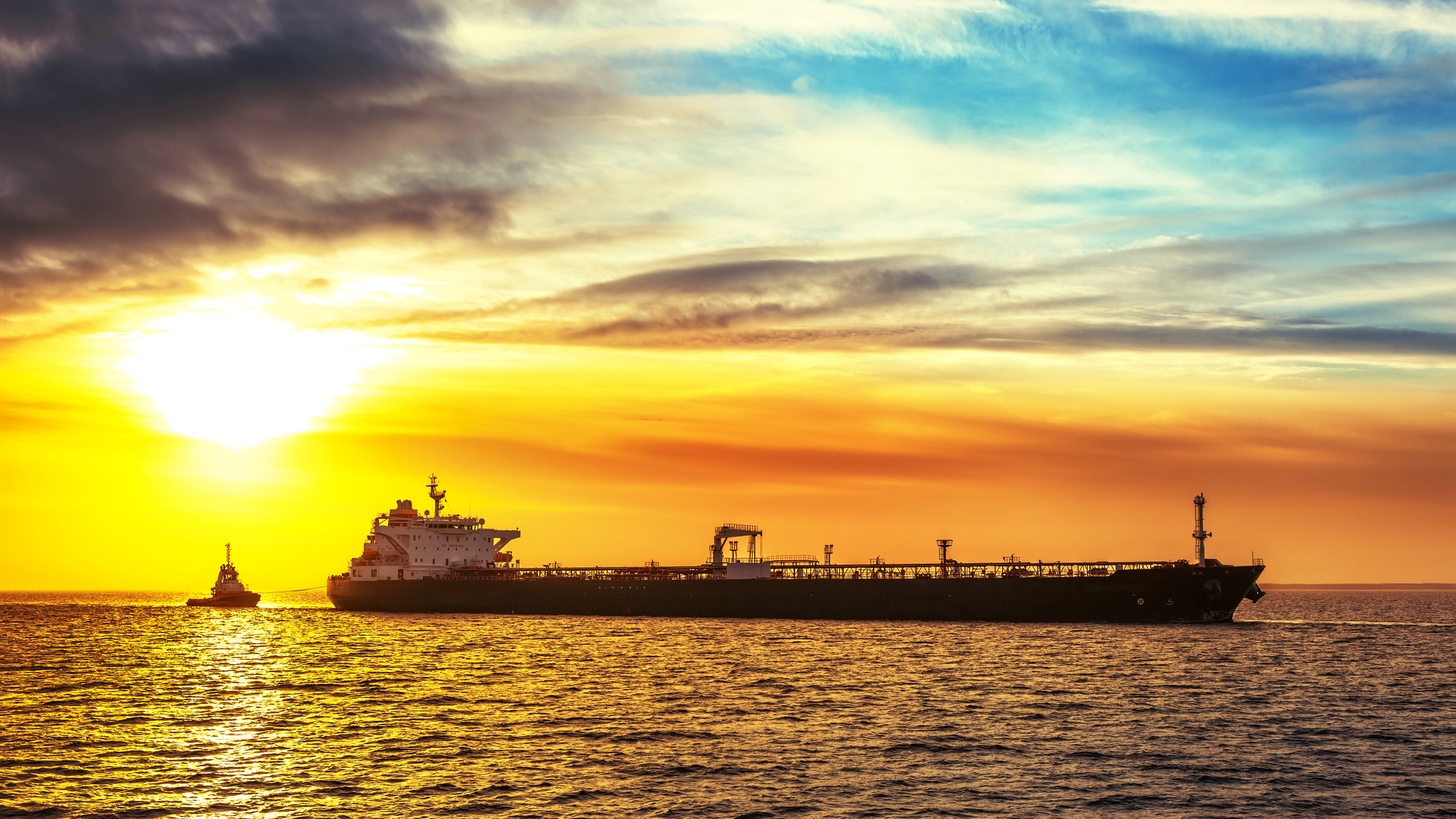
India extended by one month the permits of four Russian insurance companies to service tankers entering its ports. This was reported by Bloomberg. The companies are Согласіє, Югорія, Сбєрбанк Страхованіє and АСТК; their permits were due to expire on February 20.
Key context
According to the agency, such permits are usually granted for a year or longer, so the short extension looks like a signalling move — not so much a change in policy as a temporary decision that provides room for further decisions. In 2022, after European insurers withdrew, Russian insurers played a decisive role in restoring shipments of Russian oil to India.
"According to Bloomberg, such permits are usually granted for a year or longer."
— Bloomberg
Why a month matters
The short extension can mean several things at once: India's diplomatic caution toward its Western partners, a desire to preserve energy flexibility for domestic needs, and at the same time a wish to avoid prolonged political costs. Analysts note that this allows New Delhi to balance economic interests and international pressure.
Implications for sanctions strategy and Ukraine
For Ukraine and its partners, this is another reminder: the front of sanctions diplomacy works not only through public statements but also through technical mechanisms — permits, licenses, insurance coverage. The fact that four other Russian insurers have permits valid until 2029–2030 indicates that part of maritime logistics has remained protected on a long-term basis.
In practical terms, this means that even with declining revenues in the Russian oil sector (due to discounts and demand constraints), there remain channels that reduce the effectiveness of sanctions. At the same time, short extensions give international partners time to work out alternative leverage mechanisms.
Conclusion
This story is an example of how "quiet" decisions in politics and trade will have consequences on security and economic fronts. For Ukraine, it is important to monitor such technical steps and work with partners to ensure temporary decisions do not become permanent loopholes for evading sanctions. The ball is now in diplomacy's court: whether these monthly extensions will turn into a more prolonged practice or remain a short-term tactical instrument will become clear in the coming weeks.



