India cuts LNG supplies to industry after Qatari plant shutdown — what it means for markets
Indian importers brace for shortages after a plant shutdown in Qatar: why this matters for global supply chains and what to expect in the coming months.

By Tetiana Suchkova-Ladik
March 3, 2026 · 2 min read
What happened
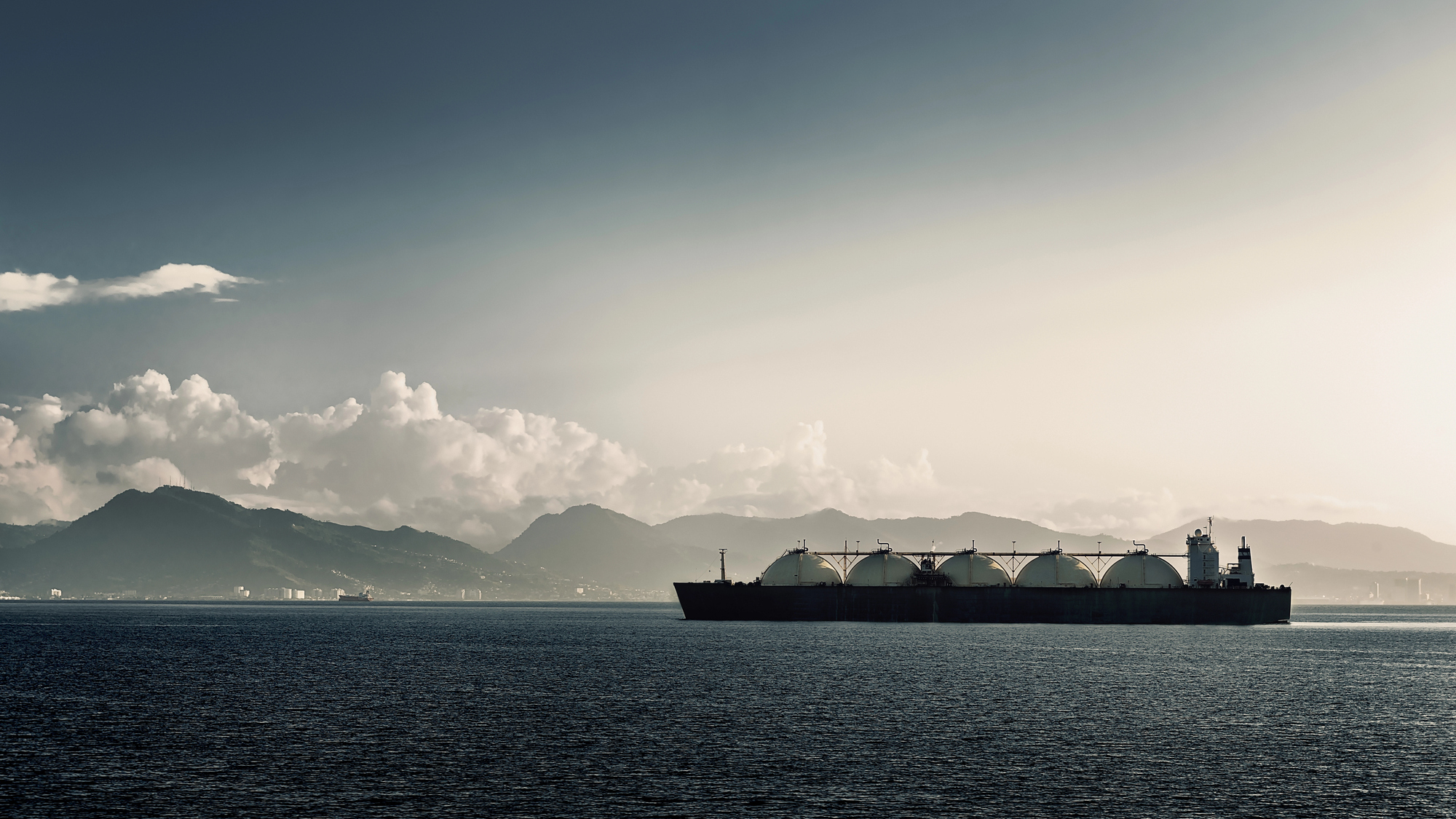
According to Bloomberg, Indian liquefied natural gas (LNG) importers have begun cutting supplies to industrial consumers in anticipation of a shortage after the shutdown of one of Qatar's plants. As a result, a major Indian company is reducing the volumes of Qatari gas it sells to a local supplier, and that supplier is being forced to notify some industrial customers of order reductions.
"Indian liquefied natural gas (LNG) importers have begun cutting supplies to industrial consumers in anticipation of a shortage after the shutdown of a plant in Qatar."
— Bloomberg (citing sources)
Why it matters
In 2025, nearly half of India's imported LNG came from Qatar. A sudden production halt is not just a local accident; it is a test of the resilience of contractual ties and the stockpiles of major buyers. In the short term, it creates pressure on spot markets, heightens competition for available tankers, and can push prices up.
What steps Indian buyers are taking
As Bloomberg reports, the Indian government has told importers they may seek supplies under agreements with other states — that is, a shift toward a more active government-to-government procurement policy. This is a logical reaction: in the event of a shortage, state regulation and diplomatic channels are often faster than market auctions.
How European institutions are responding
"The European Commission believes that a war in Iran will not have an immediate impact on the security of oil and gas supplies to the European Union."
— European Commission
That reassures the European market in the short term, but it does not remove risks to global logistics: transshipment, routes, and available tanker capacity — all become more valuable during periods of shock.
Consequences for markets and for Ukraine
Short term: possible increased volatility in gas prices and competition for available cargoes. Medium term: buyers will invest in diversifying contracts and stockpiles. For Ukraine, this is an important signal — even an event far from Europe can affect the formation of global prices and the availability of floating resources in critical months. Energy diversification and reducing dependencies remain strategic priorities.
Conclusion
The event in Qatar is a reminder that global energy chains are vulnerable to geopolitical shocks. India is reacting quickly, and markets are nervous. The question for partners is whether the world has enough stockpiles and operational agility to smooth out fluctuations, and which state agreements will prevail in the reallocation of cargoes. For Ukraine, this is another argument in favor of working on its own energy resilience and international coordination of supplies.



