India Delays Trade Agreement with the U.S.: A Pause That Matters for Global Trade
Reuters: the signing of a temporary agreement, expected in March, may be delayed by several months — a sign of U.S. pressure and uncertainty over tariff policy.

By Tetiana Suchkova-Ladik
March 13, 2026 · 2 min read
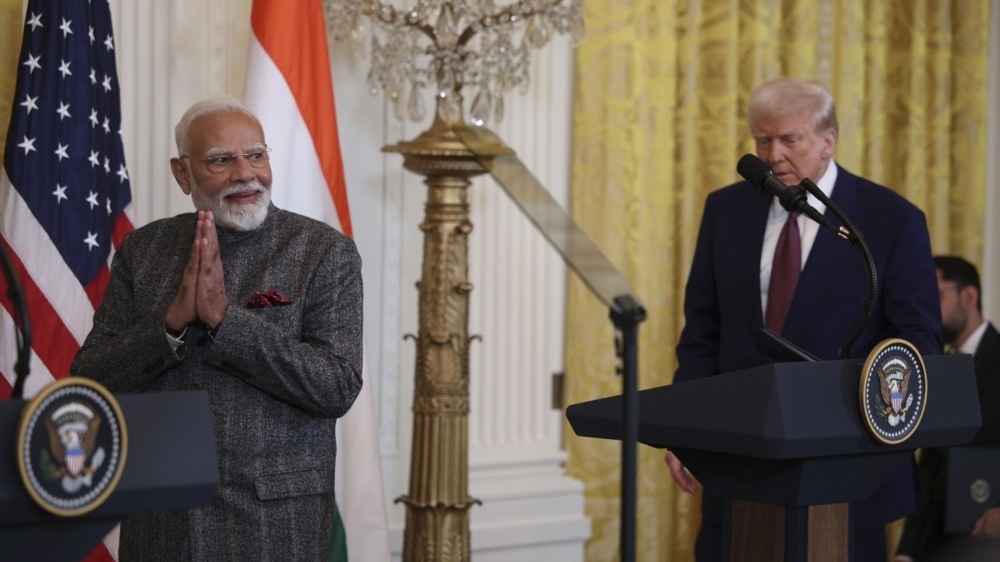
In high diplomacy, quiet agreements matter more than loud statements. According to Reuters, India plans to postpone signing a provisional trade deal with the United States for several months — what was still expected in March has now lost momentum.
Why the signing is being delayed
Four Indian interlocutors told Reuters that a key catalyst was an initiative by the Office of the United States Trade Representative (USTR): on March 11 it opened investigations into the trade practices of several countries, including India, over suspicions of structural overproduction in industrial sectors. That created additional political and negotiating pressure.
According to the sources, the process also lost momentum after a late-February U.S. Supreme Court decision on tariffs from the Trump administration, and, they said, Washington’s geopolitical attention was diverted by events surrounding Iran.
"We are in no rush to sign any agreement. The new investigation is a pressure tactic to force countries to sign agreements after the court decision. It's a wrench in the head."
— a source who spoke to Reuters
The parties' positions and the risks
Officially, India’s Ministry of Commerce says bilateral consultations are continuing, and a White House representative also confirmed that the U.S. is working to finalize the deal. However, Reuters’ sources say the Indian side has for now adopted a "wait-and-see" tactic regarding Washington’s future tariff policy.
"Both sides continue to work on a mutually beneficial trade agreement."
— spokesperson for India’s Ministry of Commerce
Context is important: in August 2025 the Trump administration imposed an additional 25% duty against India (bringing the total rate to 50%) as punishment for purchases of Russian oil. On February 2, Trump announced purported agreements with Prime Minister Modi to halt purchases of Russian oil; as part of this, the U.S. reduced the reciprocal tariff rate for India from 25% to 18%, and India, according to Washington, promised a gradual reduction of tariffs and non-tariff barriers.
What this means for the world and for Ukraine
The pause around the deal is more than a technical delay. It signals that Washington is using trade investigations as a tool of negotiating pressure. For countries with complex logistical and energy links, including Ukraine, this means potential instability in supply chains and the cost of adapting to new tariff risks.
Ukraine should pay attention not only to the text of agreements but also to how they are concluded: whether political declarations are transformed into legally binding contracts that can withstand the pressure of investigations and shifts in Washington’s priorities.
Now it is up to the partners: declarations must be turned into signed contracts, and businesses must adapt their risk management to the new turbulence in global trade.



