India Refuses Sanctioned Russian LNG Even as Tanker Was Headed to Its Ports
# Tanker Kunpeng, carrying cargo from the Portovaya plant, drifted at sea for months and disguised documentation to mask Russian cargo – but India refused it anyway. This is the first public signal that fear of secondary sanctions outweighs even energy needs.

By Tetiana Suchkova-Ladik
May 11, 2026 · 2 min read
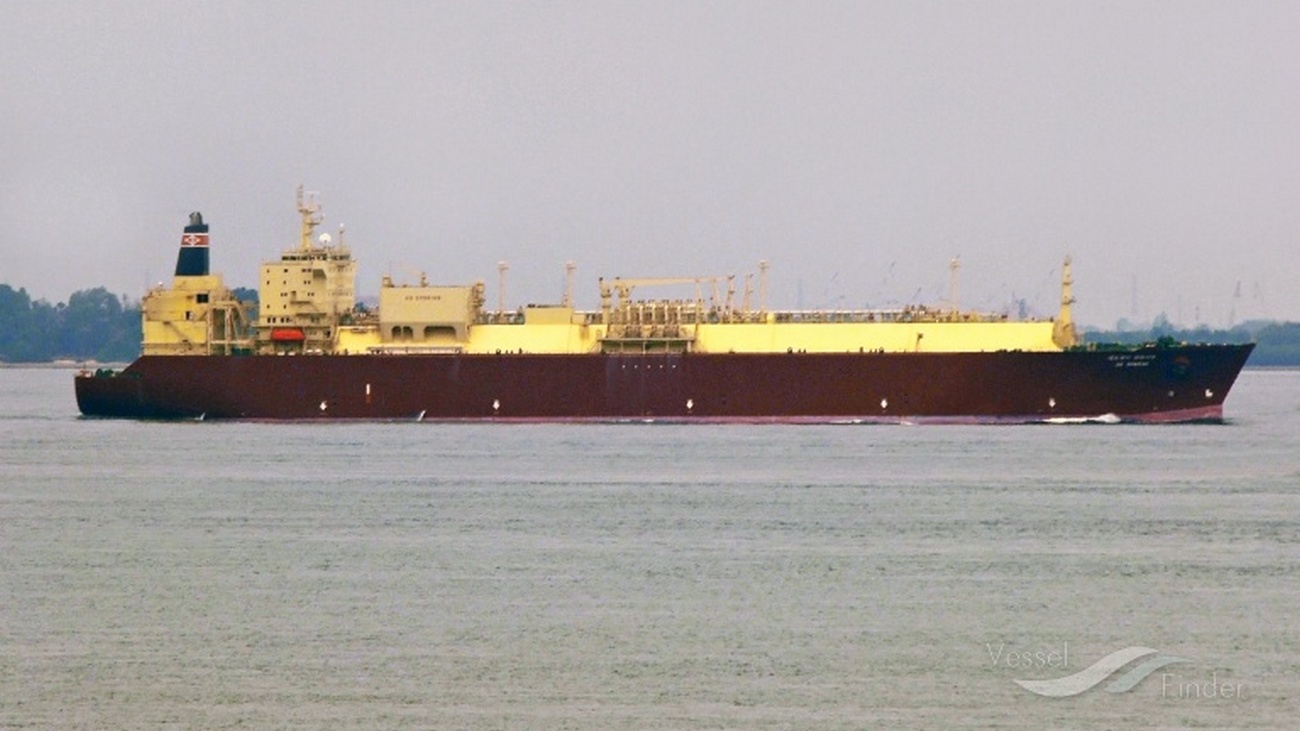
The tanker Kunpeng with a capacity of 138,200 cubic meters left the Russian LNG plant "Portovoye" on December 21. For several months it drifted in open waters, then began moving south through the South China Sea and on April 25 indicated the Indian terminal Dahej in the western part of the country as its destination. According to LSEG and Kpler data, the vessel never unloaded — it is currently near Singapore waters without a declared route.
Disguise Did Not Help
A notable detail: according to Reuters citing sources, the cargo documentation was prepared as if it were not Russian. However, satellite tracking made the workaround pointless — the origin of "Portovoye" was established without difficulty. This, according to Reuters sources, became the argument against unloading: Indian ports and LNG terminals systematically refuse cargoes from sanctioned sources.
LNG is much more difficult to hide from satellite surveillance than oil — unlike crude, it is impossible to make ship-to-ship transshipment at sea.
Reuters source familiar with the situation
Why India — Not China
The US strengthened sanctions against Portovoye and Arctic LNG 2 in early 2025. After that, the only port that consistently accepts sanctioned Russian LNG is the Chinese Beihai — Gazprom has already sent several batches there. Chinese state companies are willing to ignore American pressure; Indian ones are not.
The reason is pragmatic: secondary sanctions. OFAC has the authority to punish third parties for "substantial support" to sanctioned entities. For Indian banks, insurers and traders, the risk of being cut off from the dollar system outweighs the discount on Russian gas — even in conditions of an energy crisis.
- India is the largest buyer of Russian seaborne oil, but oil is easier to disguise through transshipment.
- India is willing to buy unsanctioned Russian LNG — but most of such volumes are contracted by Europe.
- Moscow is simultaneously negotiating long-term agreements for supplying India with LNG and fertilizers — potassium, phosphorus, urea.
What Happens Next to Kunpeng
Traders interviewed by Business Standard consider the most likely scenario to be that the tanker will ultimately head to Beihai — the only real market for sanctioned LNG. This will turn the Chinese terminal into a kind of global "dump" for cargoes that no one else will take.
If Kunpeng really unloads in China rather than finding another buyer, Russia will get confirmation: circumventing sanctions through Asia is narrowing to a single narrow channel. The question is when this channel will become the subject of separate pressure from Washington — and whether Beihai can maintain its status as the only "shelter" for sanctioned LNG if the US decides to close this loophole as well.



