Iraq offers U.S. management of the West Qurna-2 oilfield
Iraq’s Ministry of Oil has begun negotiations with American companies to transfer management of the country’s largest oil field — currently operated by Lukoil, which has been hit by U.S. sanctions — to one of them.

By Tetiana Suchkova-Ladik
December 1, 2025 · 1 min read
Proposal on management
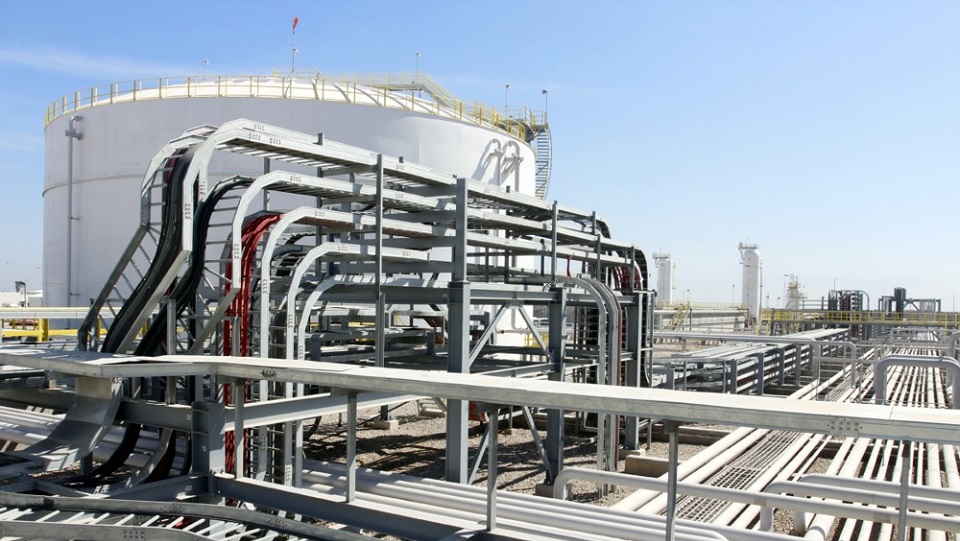
Iraq's Ministry of Oil has initiated talks with several American oil and gas companies on handing over operations of the country's largest field — West Qurna‑2. The site is currently operated by a Russian company that has been sanctioned by the United States.
Transferring management of the West Qurna‑2 field to one of the American oil companies would serve mutual interests, strengthen the stability of global markets and ensure Iraq's oil production and its market share
– Iraq's Ministry of Oil
Reaction of American companies
Among the companies mentioned as potential candidates were Exxon Mobil and Chevron. After the ministry's announcement, representatives of those companies declined to comment on possible participation.
Field structure and implications
Lukoil has served as the operator of West Qurna‑2 since the early 2010s. The field is estimated to hold roughly 14 billion barrels; development is carried out under a 25‑year service contract. In the project the Russian company holds about a 75% stake, with the remainder owned by the state‑owned North Oil Company.
In November the Iraqi government assumed the sales function for oil produced at the field to guarantee uninterrupted supplies despite the sanctions.
Iraq seeks to reassess the composition of foreign participants in major extraction projects in order to attract Western investment and strengthen the sector's technical capacity. Bringing in an American operator, officials say, aligns with US strategic interests and could signal Iraq's intent to deepen energy ties with American companies.
- In November Iraq stopped payments to Lukoil, causing delays in salaries for roughly 1,300 Iraqi workers at the field; afterwards Lukoil declared force majeure at the site.
- On November 17, Prime Minister Mohammed Shia al‑Sudani met with Lukoil's former head Vagit Alekperov; they discussed the possible postponement of sanctions‑related restrictions.
- The Ministry of Oil ruled out the option of state companies purchasing Lukoil's stake, considering the project too large for government entities to manage on their own.



