Iran Escorted an Indian LPG Tanker Through the Strait of Hormuz — What It Means for Energy Security
Bloomberg reports that the crew was sailing with its AIS turned off — a sign of how regional tensions and navigational risks are putting pressure on global energy supplies and are noticeably affecting fuel prices, including in Ukraine.

By Oleg Bazylewicz
March 21, 2026 · 2 min read
Briefly
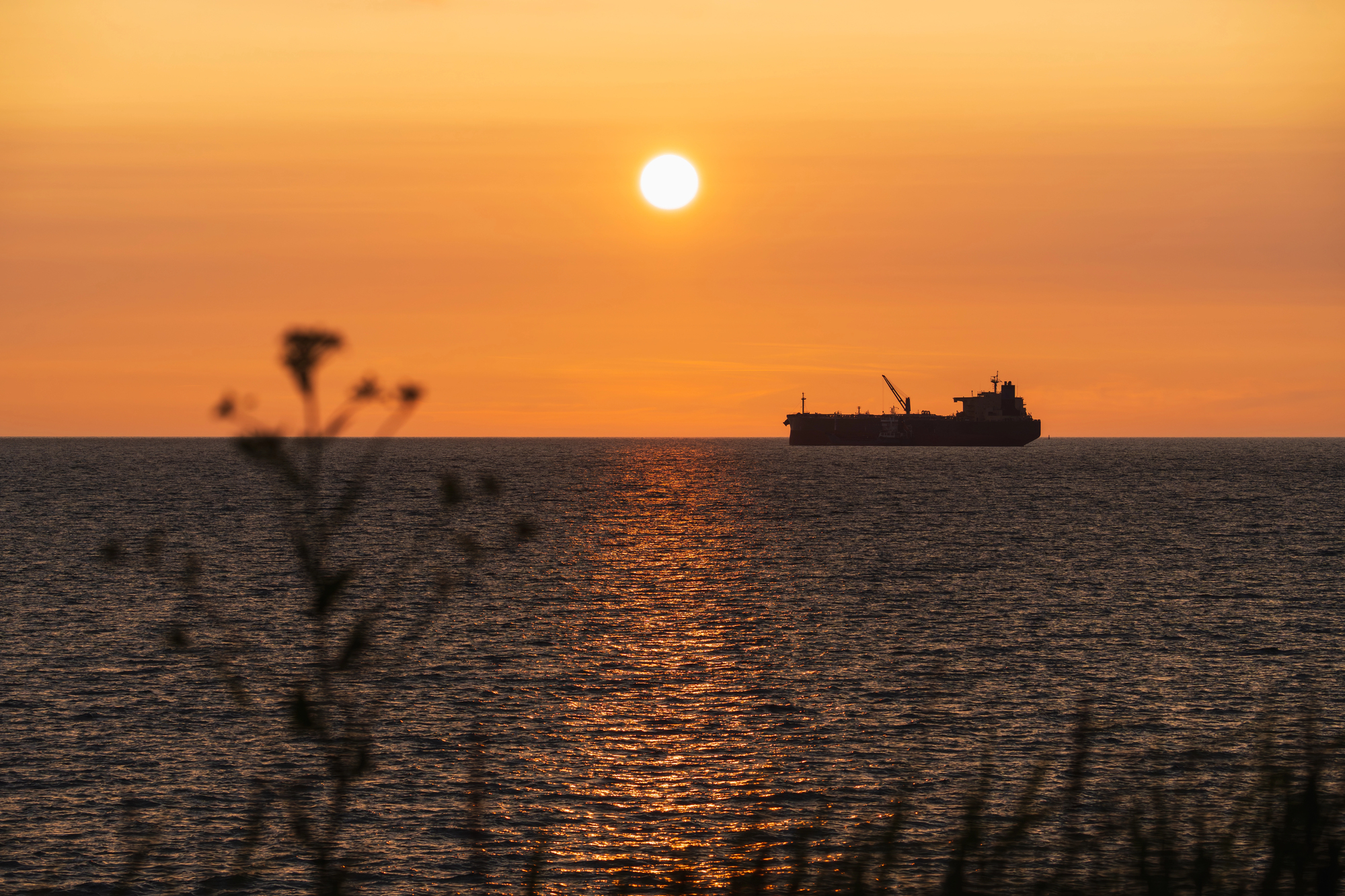
According to Bloomberg, last week the Iranian Navy escorted an Indian liquefied petroleum gas (LPG) tanker through the Strait of Hormuz. The crew said the vessel was operating with its automatic identification system (AIS) turned off, communicated with the Iranian navy by radio, after which the Iranians recorded the ship's details and laid out an agreed route. The tanker switched on AIS only after exiting into the Gulf of Oman; on the other side of the strait Indian naval ships were waiting to escort the vessel.
Details and sources
Bloomberg cites a crew member; Reuters adds that two Indian LPG tankers passed through the strait last week and two more are preparing to transit. These reports confirm that shipping through the Strait of Hormuz has recently been resuming in a piecemeal fashion, but heightened attention and escorts remain the norm.
"The vessel was operating with its automatic identification system switched off; we turned it on again after safely exiting into the Gulf of Oman."
— a member of the tanker's crew (Bloomberg)
Why this matters for global supplies
Strait of Hormuz is a choke point for global energy flows: according to the IEA, in 2025 about 20 million barrels per day on average passed through it, or roughly 25% of seaborne trade in oil and oil products. Any disruptions, escalation, or changes to transit rules raise insurance premiums, force ships to seek alternative routes, and cause price spikes in the market.
Implications for Ukraine
Even if the event occurs thousands of kilometers away, its impact reaches us too: rising energy prices increase costs for logistics, heating and production — factors that have already contributed to higher fuel prices in Ukraine. LIGA.net analyzed the mechanisms of such an impact; in the short term this means a risk of price increases and pressure on the state budget, in the medium term — a stronger case for diversifying supplies and strategic reserves.
What's next
The scenarios are obvious: more coordinated escorts, higher insurance costs, more frequent temporary rerouting of tankers, and increased price volatility. For Ukraine this means: strengthening energy resilience, monitoring market shocks, and accelerating the search for alternative supplies. The question for the international community is whether it will be possible to secure a stable corridor for trade to avoid large-scale market disruptions.



