Irpin signed a memorandum with the Swedish chamber — five areas of cooperation without deadlines or budgets
The community that Scania and Volvo are already rebuilding with Swedish funds now also has a declaration on an "Ecohub" and Smart City. What the document contains and what was left out.

By Tetiana Suchkova-Ladik
March 30, 2026 · 2 min read

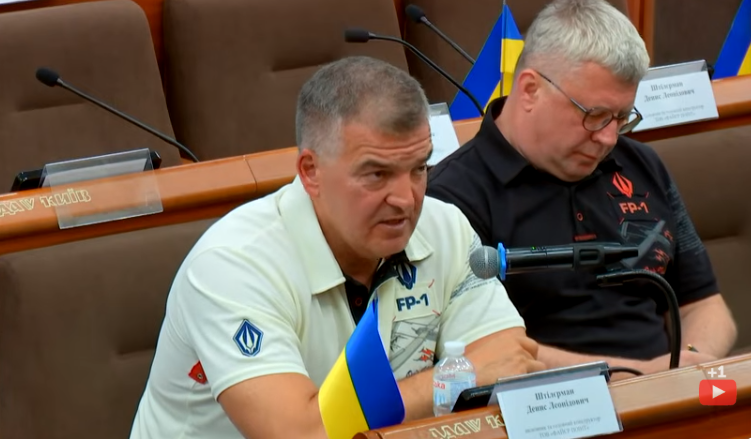
The Irpin community signed a Memorandum of Understanding and Cooperation with the Swedish-Ukrainian Chamber of Commerce in Scandinavia. The signing took place after an online meeting attended by acting mayor Anzhela Makeieva and deputy mayor Serhii Kaniura.
What the document contains
The memorandum identifies five potential areas of cooperation: creating a municipal Ecohub and developing a circular economy; decarbonization and modernization of municipal infrastructure; implementation of Smart City solutions and environmental monitoring systems; development of energy resilience and protection of critical infrastructure; and the creation of industrial and innovation zones.
None of these items in the text of the memorandum is backed by specific funding amounts, deadlines, or a reporting mechanism — at least not in the part published by the city council. The document records intentions, not obligations.
Context: Sweden is already active in Irpin
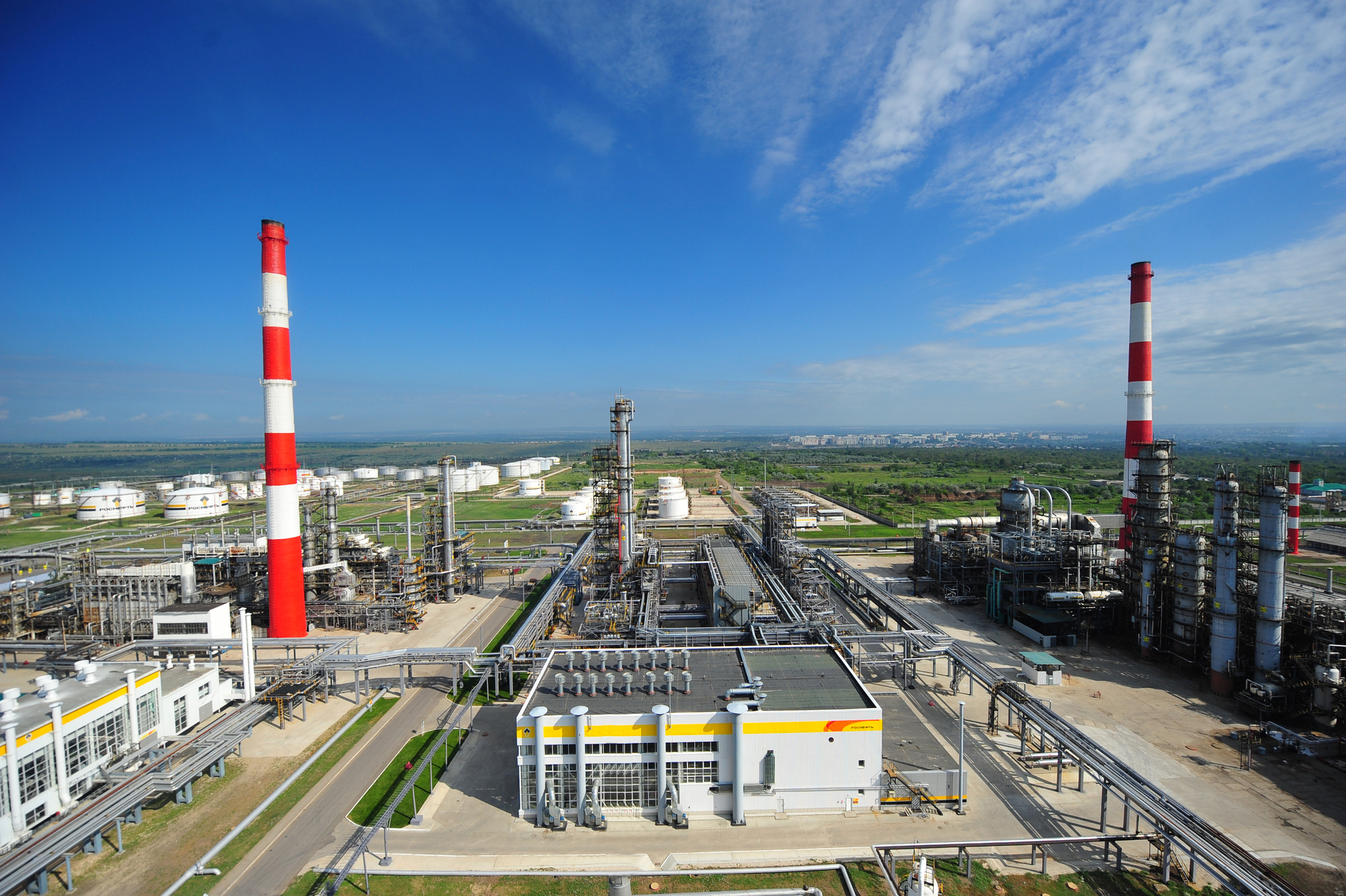
Irpin is not a new address for Scandinavian business. Sweden, through the Nordic Environment Finance Corporation (NEFCO), is financing a separate construction-waste management project worth €5.9 million involving Scania and Volvo Construction Equipment. Agreements between NEFCO, the city administration and the equipment suppliers have already been signed, and work is scheduled to start in autumn 2025.
In other words, the chamber is stepping onto an already prepared platform — where Swedish capital and technologies are present physically, not just in declarations.
"Sometimes it is precisely from such working online meetings that large international projects begin. Decisions born out of professional dialogue have a very real impact on the development of the community."
Serhii Kaniura, Deputy Mayor of Irpin
What the community brought to the negotiating table
At the meeting, partners were presented with the Community Resilience Comprehensive Plan for 2026 — a document approved at a city council session and agreed with the regional military administration. According to Makeieva, the plan identifies key needs: preparation for the heating season and strengthening critical infrastructure. In other words, the community showed not only ambitions but also documented vulnerabilities — and that is already an argument for attracting real funding.
An expert from the chamber is expected to arrive in Irpin shortly to assess specific projects. That visit will be the first practical test: whether the memorandum will turn into a technical assignment, or remain a line in the list of signed papers.
Declaration or a start?
- Signed: Memorandum of Understanding and Cooperation — a legally non-binding document.
- Defined areas: Ecohub, Smart City, decarbonization, energy resilience, industrial zones.
- Not defined: timelines, budgets, mechanism for monitoring implementation.
- Next step: arrival of a chamber expert to assess projects on site.
Irpin has what most communities lack: a documented need, a real Swedish precedent (NEFCO), and a willingness to show vulnerabilities to international partners. If, after the expert's visit, at least one concrete project with a budget appears — the memorandum will have worked. If not, it will remain the fifth item on the list of intentions signed this year.