Historic Urals discount for India: pressure on Russia's revenues and implications for markets
Reuters: Russia’s flagship crude was selling in India at a $10-per-barrel discount — the largest since 2022. We examine why this happened and what it means for the Russian budget, India’s diversification, and the region’s energy security.

By Tetiana Suchkova-Ladik
January 26, 2026 · 2 min read
In brief
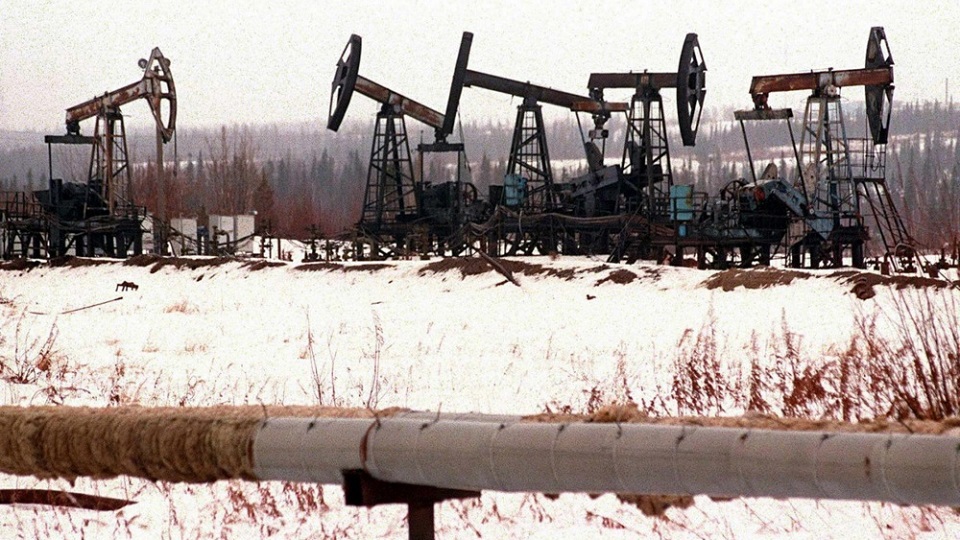
According to Reuters, Urals crude delivered to Indian ports in February was selling at a discount of about $10 per barrel to Brent — the largest discount since 2022. The discount widened by $3–5 compared with autumn 2025, approaching record levels observed.
Why this happened
This is the result of several concurrent factors: U.S. sanctions on certain Russian oil players (since December 2025), the rerouting of oil flows after European restrictions, and active diversification of purchases by India under pressure from Washington. At the same time China is increasing its imports of Urals, but overall supply and geopolitical risks are pushing the price down, forcing sellers to offer larger discounts.
Positions of the players: India, China, U.S.
Since 2023 India has become a key buyer of Urals, but New Delhi is now trying to balance economic benefits and geopolitical risks. Reuters reports that Indian Oil Corp purchased about 7 million barrels, including from Petrobras, for delivery in March — a signal of its desire to diversify. Meanwhile Washington is hinting at a possible suspension of additional tariffs as a lever of influence on Indian policy.
What this means for Russian revenues
Reuters preliminarily estimates that Russia’s oil and gas receipts could shrink substantially — to about 46% in January (due to falling prices and a stronger ruble). For a country that relies on energy exports, this means less fiscal space to sustain budgetary spending and finance foreign policy.
"Cheap Urals may attract the attention of Indian refineries, but New Delhi is still seeking alternatives under pressure from the U.S."
— traders, Reuters sources
Implications for Ukraine and regional security
Lower Russian revenues weaken its ability to finance military and destabilizing programs over the long term. This is not an instant solution, but an important element of pressure within the package of sanctions and market mechanisms. At the same time, partial rerouting of supplies to China preserves revenue sources for Moscow — therefore, the key task for Ukraine is to ensure the resilience of the sanctions regime and accelerate diversification of its partners' energy supply chains.
Conclusion — what to expect next
If the Urals discount remains high, pressure on the Russian budget will increase. For Ukraine’s partners this is a signal: sanctions and market restrictions are working, but declaratory diplomatic statements must be translated into concrete economic decisions and contracts. Energy markets are volatile — so strategy should combine pressure on the aggressor’s economic sources with strengthening energy resilience in the region.



