Italy allocates €6 million for irrigation in the Odesa region — an investment in southern food security
First international grant to modernize Ukraine's irrigation systems: how repairing canals and pumps can bring rice fields back into operation and reduce climate-related risks for the region.

By Tetiana Suchkova-Ladik
February 23, 2026 · 2 min read
What it's about
Ukraine is receiving its first international grant for irrigation system modernization: Italy will finance the reconstruction of the Tatarbunary and Kiliia systems with a project budget of €6 million. The Ministry of Economy, Environment and Agriculture of Ukraine reported this after ratification of the agreement signed by President Volodymyr Zelensky.
What will be done
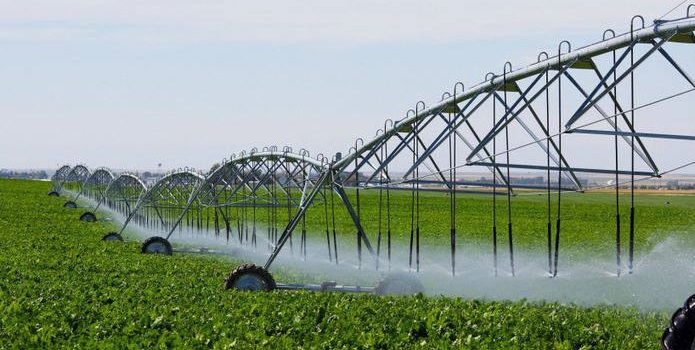
The project foresees upgrading pumping equipment, cleaning and restoring irrigation channels, and implementing automated water-delivery management systems. It is expected that more than 50 agricultural producers in southern Odesa will benefit, and irrigation will be provided for tens of thousands of hectares.
"This is not only about technical upgrades of individual facilities — the modernization of the systems is also aimed at achieving water-ecological goals, in particular reducing water losses, cutting non-productive water use, and managing the resource more rationally. The project's implementation will allow agricultural producers to plan production more stably, reduce climate risks and increase the productivity of irrigated lands."
— Iryna Ovcharenko, Deputy Minister of Economy, Environment and Agriculture of Ukraine
Why this matters now
The Tatarbunary and Kiliia systems were built in the 1960s–1980s; many hydraulic structures are physically worn out, and water losses reach 30–50%. Separately, the Kiliia rice system is unique in Ukraine—rice paddy fields that require flooding for 60–90 days. Without repairs, such areas are unsuitable for the crop.
Context: reforms and state goals
This grant fits into a series of government steps: in 2022 a law on land irrigation was adopted, in December 2023 the first water-user organization received irrigation systems under the land-reclamation reform, and in 2025 the Cabinet of Ministers set a target to increase irrigated areas to 700,000 ha by 2050. The Italian investment is a signal of international confidence and the first test of an external financing model for restoring reclamation infrastructure.
What's next — risks and opportunities
Repairs deliver practical effects: reduced water losses, more stable crop planning, and lower climate risks. At the same time, the outcome will depend on timely procurement, transparency in the execution of works, and training of maintenance personnel. A successful project could become a precedent for attracting additional grants and investment to other regions.
Technical data at a glance: the total area of rice irrigation systems in Kiliia district is 10,868 ha, of which the Kiliia rice irrigation system accounts for 4,832 ha. Project budget — €6 million.
Conclusion
This is not merely the repair of pumps and channels — it is an investment in the resilience of the agricultural sector in southern Ukraine amid climate challenges. Whether Kyiv can turn this first international grant into a scalable partnership model is a question on which the speed of reclamation recovery in other regions of the country will depend.



