Israel partially reopens its airspace: first flight from Ben-Gurion and what it means for evacuations and security
Ben-Gurion Airport resumes accepting flights to return citizens — but only under strict restrictions. We examine what will change in practice, why the decision was made now, and what lessons this holds for Ukraine.

By Tetiana Suchkova-Ladik
March 3, 2026 · 3 min read
Briefly — why this matters
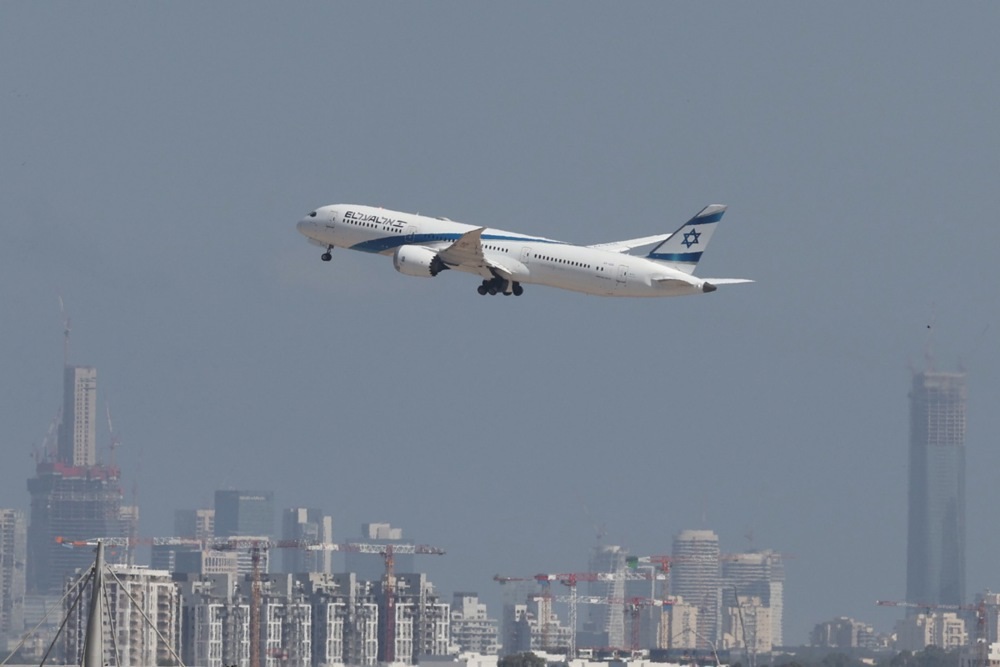
Tel Aviv's Ben Gurion Airport will partially resume receiving flights on the night of Thursday, March 5. This will allow the start of a mass return of Israelis who remained abroad because of the war. The decision is primarily logistical, but its impact — on security and on civilian mobility — is already being felt.
What's changing
According to the director general of the Airports Authority, Sharon Kadmi (source: Channel 12), the reopening will be staged. On the first day the airport will be able to accept one narrow‑body aircraft (~up to 200 passengers) per hour. On the second day — two narrow‑body or one wide‑body aircraft (about 400 passengers per hour). At peak operation Ben Gurion expects to handle around 8–9 thousand passengers a day, and the full return of citizens may take from a week to ten days, according to airport management.
"After an assessment by the security forces, the airspace will open during the night between Wednesday and Thursday"
— Sharon Kadmi, Director General of Israel's Airports Authority (Channel 12)
Procedures and restrictions
The operation concerns arrivals only: departing flights will run empty. Enhanced procedures will speed up entry: luggage will be handed out from the belt without additional checks, but Duty Free items left in storage cannot be retrieved. This is a compromise between the speed of evacuation and minimizing risks on the ground and in the air.
Why this is happening now
The opening plan was accelerated after an assessment of reduced attacks from Iran, the transport ministry says. Earlier reports said the airspace had been closed after the start of a joint operation involving the US and Israel; now the security situation allows a partial resumption of traffic.
Contextual parallels: what this means for Ukraine
The Ben Gurion episode is important as an example of how a state organizes the rapid return of citizens under conditions of partial insecurity. Analysts and Ukrainian officials note that for Ukraine reopening its airspace is more difficult due to a different level of threat from Russia.
- In November 2024, Marsh McLennan senior partner Crispin Ellison predicted flights would resume from one of Ukraine's airports in January 2025, comparing risk levels: "Lviv is safer than Tel Aviv" — this is more a comparative risk assessment than a universal rule.
- As Serhii Sukhomlyn, head of the Recovery Agency, pointed out: "They don't launch 'Kalibr' missiles at Israel" — a reminder that the nature of threats determines the capabilities of civil aviation.
"They don't launch 'Kalibr' missiles at Israel"
— Serhii Sukhomlyn, head of the Recovery Agency
What next
This is a step toward restoring mobility for tens of thousands of people and a test for the aviation security system in conditions of post‑conflict instability. For Ukraine the key questions are the same: will a stabilization of security gradually allow the airspace to reopen, and what should international coordination for protecting civil flights look like. In the short term — relief for citizens; in the medium term — another indicator of how military and diplomatic dynamics translate into practical solutions for civilian life.
"This will make it possible to return people home faster, but a full restoration of air services will depend on the stability of the security situation"
— Assessment based on statements from airport management and the transport ministry



