Cabinet of Ministers prematurely ended Shurma’s mandate on Naftogaz’s supervisory board — what it means for energy security
The state representative on the board stepped down at his own request amid a plan to renew management. This is not just a personnel decision — it's a signal to the market, oversight systems and international partners.

By Tetiana Suchkova-Ladik
December 30, 2025 · 3 min read
What happened
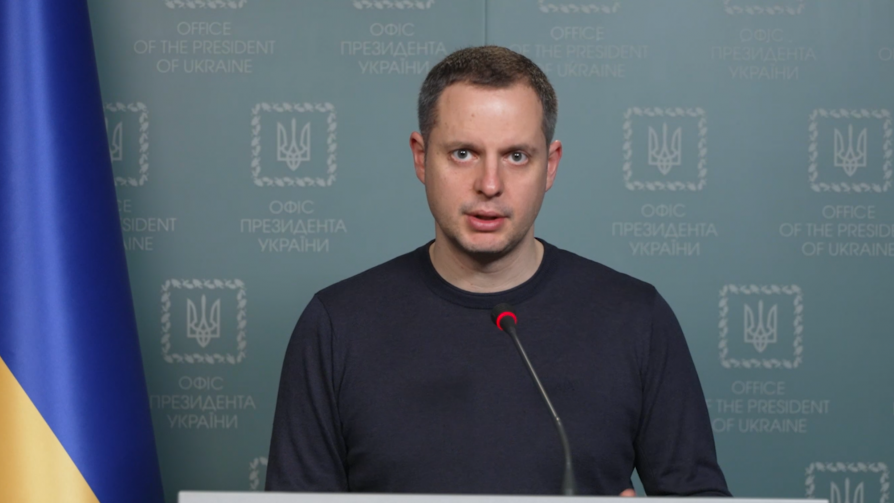
The Cabinet of Ministers has prematurely terminated the powers of supervisory board member of NJSC Naftogaz of Ukraine, Rostyslav Shurma. According to the government’s press service, Shurma represented the state on the board, and his powers were terminated in connection with a submitted resignation.
"His powers were terminated in connection with a submitted resignation."
— Press Service of the Cabinet of Ministers
Context: management renewal and board composition
On 18 November the government announced a competition for seats on the supervisory board as part of a plan to renew the management of state-owned companies in the energy sector. The current board’s contracts expire in January 2026, so the renewal process continues alongside the board’s ongoing duties.
The supervisory board consists of seven people: four independent members and three state representatives. It is currently chaired by Anthony Marino; independent members include Tor Martin Anfinnsen (former vice president of Equinor), Richard Hookway (33 years at British Petroleum) and Ludo van der Heyden (professor at INSEAD). State representatives remain Nataliya Boiko and Kostyantyn Maryevych.
Also, on 28 April 2025 the supervisory board elected Serhiy Koretsky as chairman of the management board; he has held the position since 14 May. On 10 June the Cabinet updated Naftogaz’s charter and the regulations on the supervisory board — the board now formally approves strategy, investment and financial plans and has influence over leadership appointments.
Cases and reputation
Rostyslav Shurma is a former deputy head of the Presidential Office for economic affairs, dismissed in September 2024. In April 2023 journalists from Bihus.Info reported that solar power plants in the occupied territories, allegedly linked to his circle, received payments under the "green tariff" until the summer of 2023 despite a possible lack of connection to Ukraine’s united power system. Shurma called the investigation "manipulative and untrue."
In September 2024 the National Anti‑Corruption Bureau opened a criminal case regarding payments for electricity generated in the occupied territories. In July 2025 German law enforcement, together with NABU detectives, carried out searches at Shurma’s rented estate near Munich.
"I do not have the status of a suspect or accused; all companies in which my brother is a shareholder operate in accordance with the law."
— Rostyslav Shurma, former deputy head of the Presidential Office for economic affairs
Why this matters
This decision has long-term consequences not only for individuals — it affects the corporate governance of a key energy player, investor confidence and the effectiveness of oversight of critical infrastructure. The situation with investigations and international investigative actions increases scrutiny on transparency and compliance with international standards.
Experts note that personnel changes at Naftogaz should take place through open procedures and with consideration of risks to energy security and the company’s financial stability.
What’s next
The government now needs to promptly and transparently fill the vacant state representative seat and complete the competition for the other positions to ensure the board’s decision‑making transparency until the contracts expire in January 2026. If the investigations produce new findings, legal clarity will be required — both for officials and for the market.
Can the Cabinet turn these personnel changes into proof of renewed transparency and reliability for Ukraine’s partners? The answer will determine not only Naftogaz’s reputation but also the level of trust in the management of critical infrastructure during wartime.



