Cabinet differentiates "National Cashback": 5% and 15% — who will support Ukrainian goods, and who loses out
The government has abandoned a single 10% rate and, from March 1, 2026, will introduce two tiers of cashback. This decision has a direct impact on demand, production and import substitution — we examine which industries will gain an advantage and what this means for consumers.

By Tetiana Suchkova-Ladik
February 16, 2026 · 2 min read
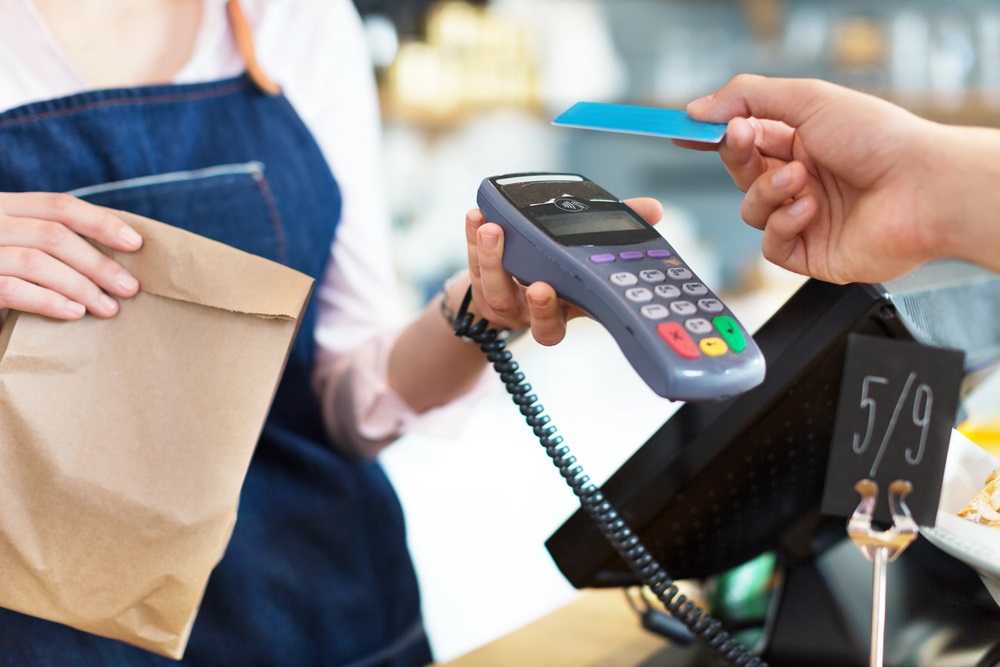
Differentiation instead of unification: what changed and why it matters
From March 1, 2026 the Cabinet of Ministers is changing the terms of the "National Cashback" program: instead of a single rate of 10%, two rates — 5% and 15% — are being introduced, the Ministry of Economy, Environment and Agriculture reported. This is not a cosmetic step: the state is directing incentives where there is a chance to effectively substitute imports and support local producers without additional strain on the budget.
The initiative was publicly announced by Economy Minister Oleksiy Sobolev in an interview with LIGA.net a month ago; the decision has now been formalized and comes into force.
Who gets 15%, and who gets 5%
The higher 15% rate will be applied to categories where the import share exceeds 35% and there is potential to replace it with domestic production. These include: cosmetics, hygiene products, household chemicals, home and repair goods, pet products, stationery, clothing and footwear, as well as certain food items (hard and soft cheeses, selected pasta products and grains).
The 5% rate applies to goods where imports are less critical: sweets, non-alcoholic beverages, pharmacy items, garden and allotment products, snacks, canned goods, vegetables and fruits, fish and seafood, oil, most meat and dairy products, bread and baked goods, flour, frozen products, eggs and other groceries.
What the government says and what producers expect
"Differentiated cashback will help strengthen demand for Ukrainian products where there is a significant volume of imports and potential to substitute part of it with local goods — without increasing the overall program budget. We retain the right to further calibrate the program according to requests from producers and market conditions"
— Oleksiy Sobolev, Minister of Economy
The government emphasizes budgetary neutrality: the instrument changes the distribution of incentives, not their total amount. For producers, this is a signal: priority in state policy will go to sectors where imports create competitive pressure and where local production can quickly scale up volumes.
Consequences for consumers and retail
For consumers the change means simple economic math: in certain categories the incentive increases (the effect — relatively lower costs when buying Ukrainian), in others it decreases. Retailers, in turn, will receive a clear signal regarding assortment policy: products labeled "support for national producer" may be promoted more actively where the cashback is 15%.
What’s missing and what the risks are
The effect of differentiation will depend on the quality of implementation: a clear list of product items, a transparent methodology for assessing import share, control of abuses, and the ability of producers to quickly scale up production. Analysts note that without accompanying measures — investments in production capacity and logistics — cashback alone will not trigger a jump in localization.
Brief outlook
The Cabinet's decision is a pragmatic economic policy tool: the state redirects limited resources to where they can most quickly strengthen domestic production. The next steps are to detail the lists, monitor the market and work with business. If all this is done professionally, the program could become a noticeable catalyst for import substitution; if not — the incentive will remain symbolic.
Now it is up to producers, retailers and regulatory bodies: will they manage to turn the cashback into sustained support for Ukrainian manufacturers, and not a one-off marketing stunt?



