Cabinet expands list of critically important enterprises — logistics and repairs placed under protection for the Armed Forces
Resolution No. 334 (16 March 2026) gives companies that service the branches and types of the Armed Forces of Ukraine the right to reserve employees. We break down how this will strengthen supply chains and what will change for business.

By Tetiana Suchkova-Ladik
March 17, 2026 · 2 min read
Brief
The Cabinet of Ministers adopted Resolution No. 334 of 16 March 2026, which expands the criteria for defining critical enterprises. Companies that perform contracts with the commands of branches and separate arms of the Armed Forces of Ukraine — in particular in the areas of logistics, repair and maintenance — can now be included in the list.
What changed
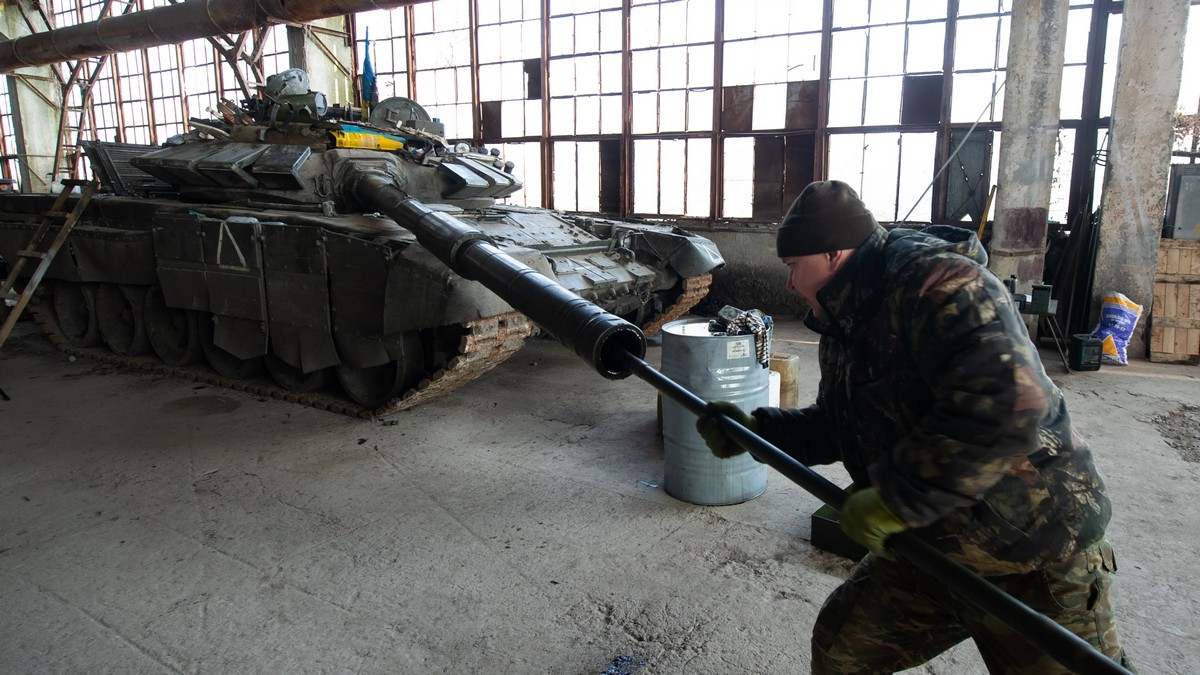
The resolution adds companies to the composition of critical enterprises that provide: transportation of military cargo; repair, upkeep and operation of weapons, military and specialized equipment; production and servicing of munitions and their components; as well as procurement of defense-purpose goods for servicing this equipment.
"The changes are aimed at supporting enterprises that provide logistics, repair and maintenance of defense equipment, and will contribute to the stable operation of the defense sector."
— Vitalii Kindrativ, Deputy Minister of Economy, Environment and Agriculture
Why this matters for the front
The status of a critical enterprise allows employees to be exempted from mobilization during martial law. Practically, this means: a reduced risk of supply disruptions and simpler repair chains — critical for the continuity of combat readiness.
Mechanics and key figures
According to the Ministry of Economy, around 1.3 million people liable for military service are currently reserved in Ukraine — the figure has risen by 30% over the year. An important detail: since 1 April 2025 reservations can be made only by enterprises with updated critical status and only in electronic form, which adds transparency to the procedure and ensures compliance with accounting standards.
What this means for business
For companies that work with the military, the decision provides operational stability and predictability of staff — an important signal for investors and counterparties. At the same time, obtaining and maintaining the status will require completing administrative procedures and meeting the requirements of the Ministry of Economy.
Conclusion
The resolution can be seen as a pragmatic step to reduce logistical risks and protect defense supply chains. However, the real effect will depend on the speed of updating enterprise statuses and on how transparently and promptly the electronic reservation system operates. Whether this will be enough to prevent local disruptions is a question for the practical implementation of the new rules.



