A $10,000 Bribe at DAK "Automobile Roads of Ukraine": Risks to Infrastructure Restoration
When the state is at war, every hryvnia is a resource for the front and for reconstruction. The detention of officials accused of extorting a 30% cut of property value undermines trust and could delay the transfer of assets needed to repair roads. We examine the facts and consequences.

By Tetiana Suchkova-Ladik
March 10, 2026 · 2 min read
Briefly
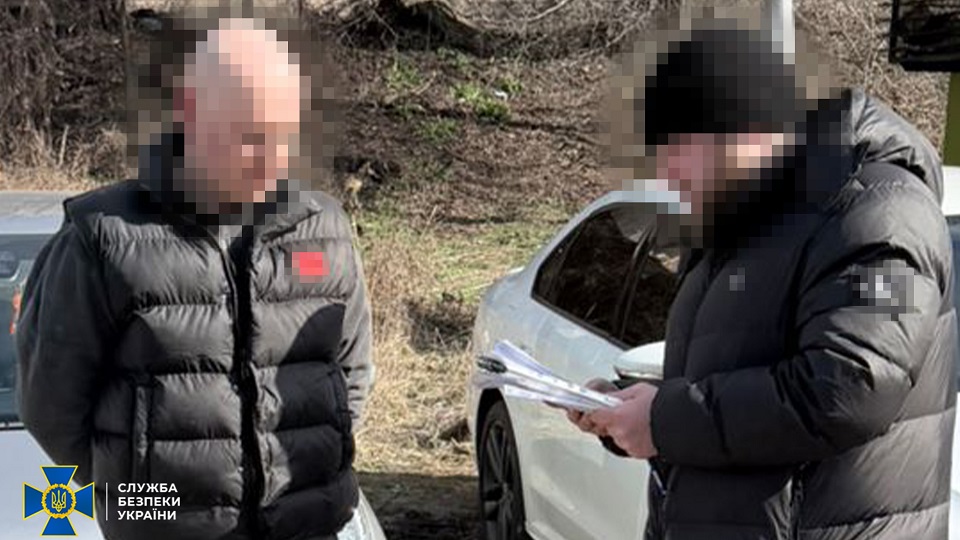
The Security Service of Ukraine and the National Police have detained the deputy chairman of the board and the head of a department of the State Joint-Stock Company (DAK) «Automobile Roads of Ukraine», who, according to investigators, demanded a bribe of $10,000 to facilitate the transfer of state property for lease. The case concerns the property complex of a road enterprise in Volyn Oblast. The suspects have been notified of suspicion under Part 3 of Article 368 of the Criminal Code of Ukraine; they face up to 10 years with confiscation.
Law enforcement's position
According to the investigation, the officials demanded 30% of the property's value — and the complex was valued at approximately UAH 2.8 million. The head of the commercial department of the subsidiary received $10,000 from a company representative; half of that sum was handed over the next day to the deputy chairman of the board. Law enforcement detained the suspects "red-handed."
"For implementing such a scheme, the officials demanded an illicit benefit of 30% of the value of the property, which based on the appraisal amounted to about UAH 2.8 million. In case of refusal, they threatened to create conditions under which the enterprise would not be able to obtain this property on lease."
— National Police of Ukraine, press service
Law enforcement are not currently naming the detained. The official DAK website states that the chairman of the board, Oleksiy Doroshenko, has three deputies: two of them — Ihor Harbaruk and Fedor Danilyk — were appointed as new board members on 5 February 2026; Valeriy Hrachov was appointed deputy in 2025.
Why this matters
Beyond moral considerations, there is a purely pragmatic consequence: when state assets are transferred during wartime and reconstruction, corrupt schemes reduce the resources that could go to repairs and logistics. Secondly, such episodes undermine investors' and businesses' trust — and transparent procedural transfers of property are important for the rapid restoration of infrastructure.
Analysts and anti-corruption lawyers note that the case fits into a broader context: in early March 2026 the Specialized Anti-Corruption Prosecutor's Office (SAP) and the National Anti-Corruption Bureau (NABU) completed an investigation in another criminal case involving the director of a road agency from Poltava region. This points to a systemic problem with management and oversight in the road sector.
What's next
Expected steps include a full criminal trial and a public investigation of the chains through which property transfers occurred. Restoring trust will require not only arrests but also changes in management: open auctions, digital reporting, and clear procedures for transferring assets.
Brief forecast: if the investigation uncovers systemic violations, this could trigger additional contract audits and the temporary freezing of certain property transfers — which, in turn, would slow some local road repair projects in the short term. But these temporary inconveniences are the lesser evil compared with allowing corruption to consume resources needed for defense and reconstruction.
Now the ball is in DAK's management and law enforcement's court: will these detentions be turned into systemic changes that ensure a transparent redistribution of assets for the benefit of communities and the front?



