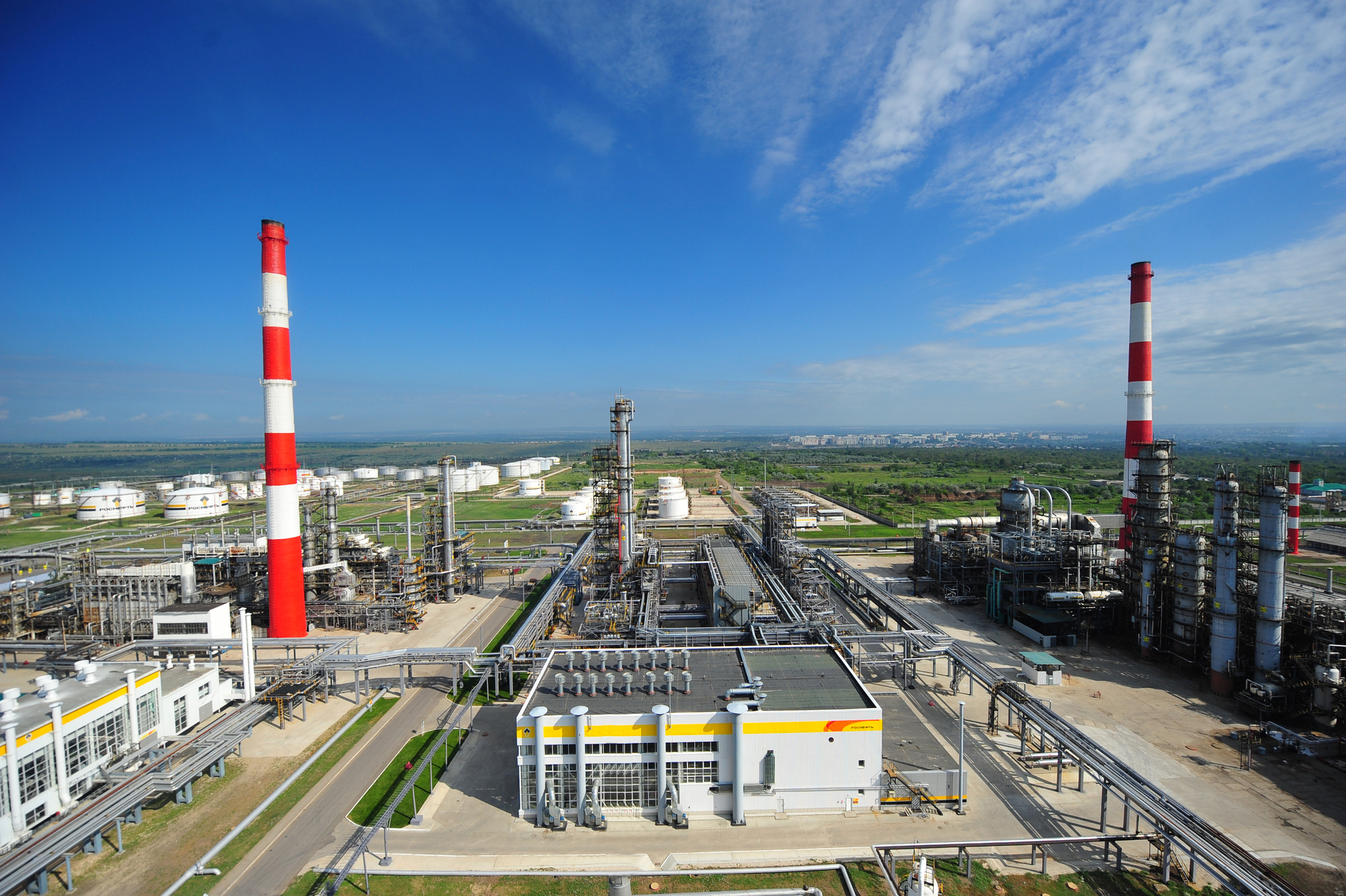
Kharkiv region declares energy emergency — how communities will get funding for generators and batteries
Kharkiv region’s power system, hit by shelling, has been declared unsafe. The decision opens access to the state program "SvitloDim" — what will change for condominium associations (OSBB) and residents of frontline communities.

By Tetiana Suchkova-Ladik
February 10, 2026 · 2 min read
What happened
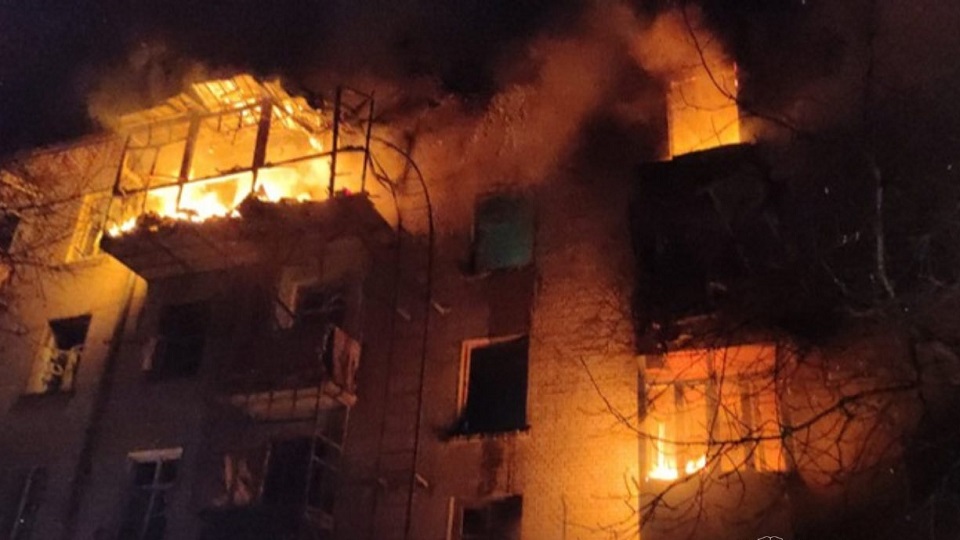
The Regional Commission on Technogenic and Environmental Safety and Emergencies of Kharkiv Oblast has declared a regional-level emergency in the energy sector. The decision was made due to persistent enemy shelling that undermines the operation of networks and creates risks for life-support systems.
"The region is under constant enemy shelling. Given the difficult situation, we decided to recognize the situation that has developed in Kharkiv's energy sector as a regional-level emergency"
— Oleh Syniehubov, head of the Kharkiv Regional Military Administration
How the "SvitloDim" program works
Regional authorities have initiated an appeal to the Cabinet of Ministers to include Kharkiv city and oblast in the "SvitloDim" program. Under this state initiative, residents of frontline apartment buildings—through condominium associations or property managers—can receive financial assistance of UAH 100,000 to UAH 300,000.
The funds are intended to increase energy resilience: purchase of generators, batteries, inverters and other equipment that enables uninterrupted operation of elevators, hoisting systems, access routes to basements, as well as critical utility services.
Applications are submitted online through the Diia platform. Review and approval are carried out by a commission at the Ministry for Communities and Territories Development. Implementation of the program is currently starting in Kyiv and Kyiv Oblast, but expansion to other regions is possible after official recognition of an energy-sector emergency — as was done in Kharkiv Oblast.
Why this matters
This is not just financial aid — it is a tool to increase the survivability of infrastructure under shelling. When networks are vulnerable, having autonomous power sources reduces the risk of humanitarian problems and provides time for repairs. Analytically: the program shifts costs from individual residents' solutions to a centralized technical capacity of the community.
Practical steps for condominium associations and residents
- Check whether your community has been declared in a state of emergency in the energy sector or whether such an appeal is being prepared.
- Condominium associations (OSBB), cooperatives and property managers should compile technical estimates and submit an application via Diia.
- Communities need to agree on priorities: servicing entrances, basements, elevators, common electrical networks, or facilities critical to life.
Conclusion
Declaring an emergency opens the way to state support, but effectiveness will depend on the speed of application submission and the quality of oversight of fund use. This is an opportunity to strengthen energy resilience in wartime — the question is whether the declarations can be turned into concrete generators, batteries and saved lives.