Klitschko: Heat restored to 2,600 homes in Kyiv — more than 1,100 still without heating due to damage to the Darnytsia thermal power plant
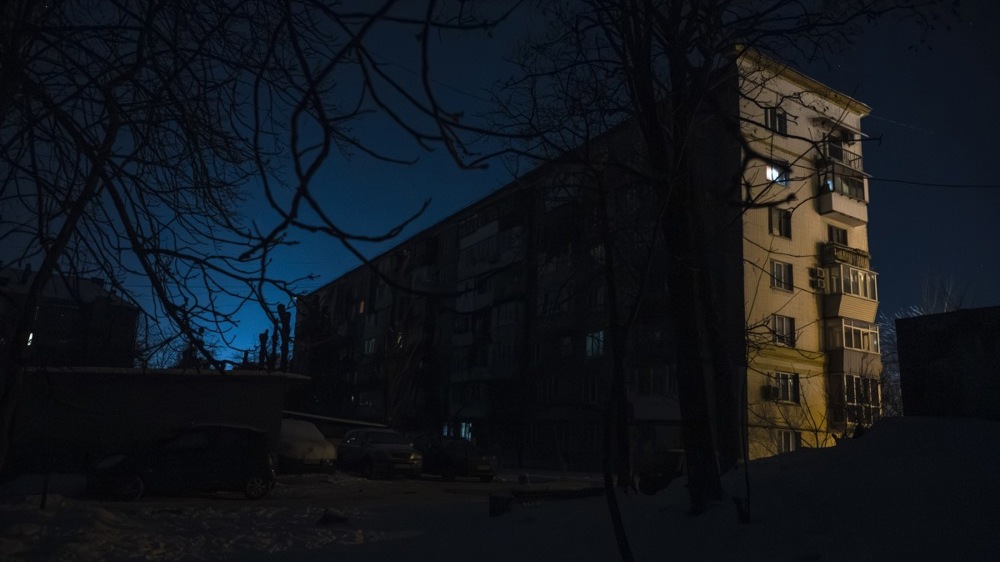
After the massive shelling on 12 February, municipal crews restored heat to 2,600 households. However, more than 1,100 apartments in the Darnytskyi and Dniprovskyi districts remain without heating due to critical damage to the Darnytsia CHP — repairs could take months and will affect the comfort and safety of thousands of Kyiv residents.

By Tetiana Suchkova-Ladik
February 17, 2026 · 2 min read
What happened
Kyiv mayor Vitali Klitschko reported that after the heavy shelling on 12 February heating was restored to 2,600 homes in Kyiv that had previously been left without heat. At the same time, more than 1,100 homes in the Darnytskyi and Dnipro districts remain disconnected due to significant damage to the Darnytska CHP.
"Utility crews continue to work in other buildings where faults occur and are repairing their heating systems"
— Vitali Klitschko, Kyiv mayor
Why some homes remain without heat
The reason is simple and technical: Kyiv's central system was designed around large CHPs, and switching it to local sources or cogeneration is not a quick solution. Darnytska CHP-4 suffered critical damage from the strike on 3 February; according to city authorities, repairing that damage will take at least two months. Until the CHP is back in operation, parts of the network will remain unavailable for connection.
"Darnytska CHP-4 sustained critical damage as a result of the strike — fixing it will take at least two months"
— Vitali Klitschko, 5 February
Context and consequences
Since 14 January Ukraine has been under a state of emergency in the energy sector because of large-scale shelling and the cold spell. For Kyiv residents this means more than temporary discomfort: cold and heating disruptions increase risks for the elderly and families with children, and complicate the operation of critical infrastructure and medical facilities.
What is being done and what to expect
The city is concentrating resources on restoring networks and responding to emergencies. Experts emphasize that reconstructing the CHP and modernizing the system will take time and investment — it is not only repairs, but also a matter of the city's future energy resilience. Until the Darnytska CHP is fully back online, residents are advised to prepare for temporary restrictions and to use available local warming centers.
Conclusion: restoring heat to 2,600 homes is the result of coordinated work by municipal services. But more than 1,100 families remain at risk due to serious damage to the Darnytska CHP; how quickly normal heating is restored in these districts will depend on the timetable for its repairs.



