Ships in the Strait of Hormuz Masquerading as Chinese: What It Means for Fuel Supplies and Ukraine’s Security
Manipulating flags and AIS is not just a technical trick. We explain why vessels change their identification, what risks this creates for global trade, and how it could hit the Ukrainian fuel market.

By Tetiana Suchkova-Ladik
March 7, 2026 · 2 min read
What happened
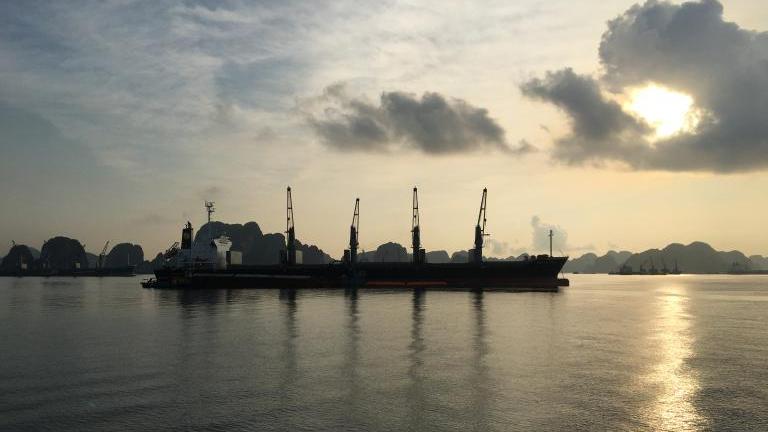
According to the Financial Times and analysis by MarineTraffic, at least 10 vessels over the past week on sea platforms changed their signals, indicating “Chinese owner,” “fully Chinese crew,” or “Chinese crew on board.” Some ships also spoofed their positioning via AIS/GPS, causing them to appear on maps as clusters close to one another.
For example: the tanker Iron Maiden on March 4 temporarily displayed a “Chinese” identification while crossing the Strait of Hormuz, then reverted to its normal status after reaching waters near Oman. Overall, about 1,000 vessels are currently blocked in the Persian Gulf and its vicinity. Iran has struck not only targets in the region but also maritime infrastructure as far as Kuwait.
"Vessels in the Persian Gulf during the Middle East conflict began declaring themselves Chinese to avoid danger."
— Financial Times (report, analysis of MarineTraffic data)
Why ships are masking themselves
There is a rational reason: in a high-risk area a shipowner seeks to reduce the likelihood of attack or seizure due to recognition of the flag or the crew's origin. AIS spoofing and temporary changes in registration are ways to lower the risks of being targeted by missiles or drones, and to avoid political attribution by parties to the conflict.
It's not only about crew safety — it's about insurance and logistics: changing identification can affect policy payouts and ports' willingness to accept cargo.
What sources and partners say
Bloomberg reports that the US has promised insurance guarantees and naval escort for tankers in the Strait of Hormuz, but several shipowners and sources close to allied countries say they have not yet received specifics on how those commitments will be implemented.
"Three shipowners and people close to certain allied countries in the region said they had received no details about Washington's plan."
— Bloomberg (interview with shipowners)
Consequences for Ukraine
Disruptions to shipping in the Persian Gulf increase the risk of rising fuel prices. LIGA.net has already analyzed how regional shocks are reflected in the Ukrainian market: delivery delays and additional costs for insurance and escorts could push up the cost of fuel imports.
For our economy this is not only about gasoline at filling stations — it's a logistics issue for the agricultural and energy sectors. The longer the blockade lasts and the more vessels hide under a “different” identity, the more expensive and unpredictable supplies will become.
What should be done
Declarations about escorts and insurance guarantees are a start, but practical effect will only follow clear procedures and international coordination. Ukraine should:
- work with partners on alternative routes and diversification of supplies;
- push for transparent cargo insurance schemes that cover extraordinary risks in the region;
- agree on international maritime corridors and escort procedures to reduce room for manipulation of ship identification.
Conclusion
Flag and AIS manipulations are a symptom of a broader process of destabilizing maritime supply chains. For Ukraine this is a direct economic risk: more expensive and less predictable supplies of fuel and critical imports. The question is whether international partners can turn political declarations into concrete mechanisms to protect shipping and guaranteed supply chains.