Every Tenth Subscriber Pays Nothing: Irpin Water Company Sues Debtors While Owing 20 Million Itself
Irpin Water Supply and Sewage Company has launched legal proceedings against non-payers — 10% of subscribers have failed to make any payments. However, the company itself has outstanding debts to Kyiv Water Supply and Sewage Company.

By Tetiana Suchkova-Ladik
April 7, 2026 · 2 min read
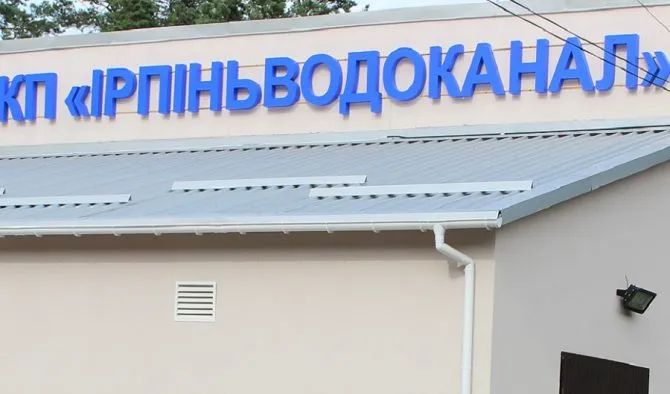
A situation typical of wartime has unfolded in Irpin: a water utility that has itself accumulated debt to its supplier is now forced to collect funds from its own subscribers through court.
10% — and no payment at all
KP "Irpin Water Company" announced an intensification of work with debtors. Among more than 76,000 personal accounts of the enterprise, every tenth subscriber has not paid for water even once. First and foremost, lawsuits are targeting those whose debt reaches tens of thousands of hryvnias.
Consequences for debtors: forced collection through court, additional court costs, arrest of accounts or property, temporary suspension of water supply.
Water utility sues — and is sued itself
Context that the enterprise does not publicize: in 2024, JSC "Kyiv Water Company" filed a lawsuit against Irpin Water Company for 20.5 million hryvnias — debt for water supply and sewerage services for the period from February 2022 to March 2024. Irpin City Council requested debt restructuring and promised to repay it in equal installments by the end of 2024.
"Debts for utilities are not just residential subscribers. Budget institutions also accumulate arrears, and water utilities cannot simply stop water supply despite this due to the social importance of their work."
Industry analysts, according to ZNAJ.UA
Overall picture across Ukraine
The situation in Irpin is not an exception. As of the end of the second quarter of 2025, the total debt of Ukrainians for utilities reached 106.6 billion hryvnias — compared to 81.3 billion at the end of 2021. According to the State Statistics Service, in the second quarter of 2025, accruals for utilities amounted to 64.3 billion hryvnias, of which the population paid only 51.5 billion hryvnias — more than 20% of accrued amounts remain unpaid.
Since the beginning of 2024, the moratorium on disconnection of services and accrual of penalties for arrears has been lifted, so utilities received the right to apply sanctions to non-payers.
Where the chain breaks
The problem is systemic: subscribers don't pay the water utility — the water utility accumulates debt to the wholesale supplier — the supplier goes to court. Irpin City Council contacted "Kyiv Water Company" with a request to restructure the debt and withdraw the lawsuit. How these agreements ended was not publicly reported.
- 76,000+ personal accounts with Irpin Water Company as of early 2024
- ~7,600 subscribers — estimated number of those who have not paid even once
- 20.5 million hryvnias — the enterprise's own debt to Kyiv Water Company
- 106.6 billion hryvnias — total debt of Ukrainians for utilities (Q2 2025)
If Irpin Water Company fails to close its own debt to Kyiv Water Company by the end of 2025 and at the same time does not receive significant receipts from the debt collection campaign — the enterprise will find itself in the same role as its current debtors: a defendant in court.



