Kraft Heinz forgoes dividend — bets on profitable growth and $600M to rebuild in the U.S.
Reuters: the new CEO has suspended the plan to split the company to focus resources on operational recovery. The decision is important for markets, consumers and offers lessons for Ukrainian business.

By Tetiana Suchkova-Ladik
February 11, 2026 · 2 min read
Context and essence of the decision
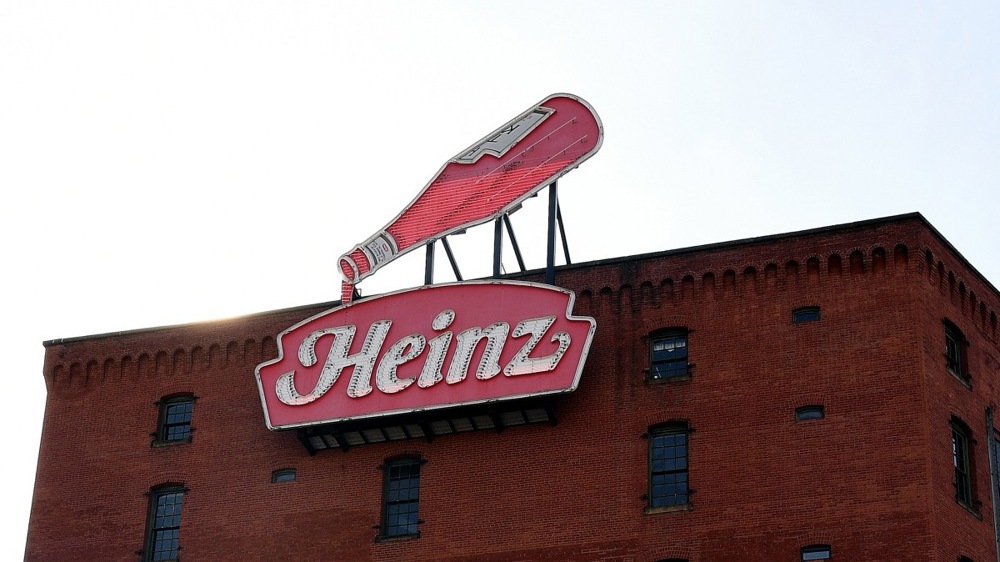
American food group Kraft Heinz, created in 2015 from the merger of Kraft Foods and Heinz, has suspended plans to split into two public companies. Reuters reported this, and the decision was announced by newly appointed Chief Executive Officer Steve Cahillane.
"My top priority is to return the business to profitable growth, which will require ensuring full concentration of all resources on executing our operational plan. In light of this, we believe it is prudent to pause the work related to the separation."
— Steve Cahillane, CEO of Kraft Heinz
Why this happened
The company explains the pause for pragmatic reasons: market conditions in the US have deteriorated since the decision to split was made, and management is now choosing a focus on operational recovery instead of continuing the reorganization. The plan is to invest $600 million in marketing and research to stimulate sales recovery and return to profitable growth.
Reminder: in September 2025 the company announced a split into two units — Global Taste Elevation Co. (Heinz, Philadelphia, Kraft Mac & Cheese) and North American Grocery Co. (Oscar Mayer, Kraft Singles, Lunchables). Those plans are now paused.
What this means for markets and consumers
The decision shows that large corporations sometimes prefer real cash impact over complex transactions. For investors, it signals a conservative approach to spending and a priority on operational stability. For consumers, it could mean short-term investment in promotional activities and product refreshes, which may affect availability and prices in the US.
Market analysts note that during economic uncertainty restructurings are often postponed so as not to disperse management resources between simultaneous transformations and fighting falling demand.
Lesson for Ukraine
For Ukrainian business and the agricultural sector, the Kraft Heinz case is a practical example. In turbulent times it is more important to maintain focus on operational efficiency, brand investments and R&D than to launch costly reorganizations that distract the management team. Such an approach can be critical for maintaining export positions and attractiveness to investors.
Global background: split or consolidation?
Kraft Heinz’s decision contrasts with other major moves in the market: in June 2025 Warner Bros. Discovery announced a split into two public companies, and on February 3, 2026 SpaceX acquired xAI, creating a vertically integrated structure. This underscores that companies choose different strategies — some benefit from splitting up, others invest in integration and innovation.
Conclusion. The pause in Kraft Heinz’s split is not a failure of the plan, but a restructuring of priorities. The questions for the coming quarters are whether the $600 million and focused operations will bring the expected recovery in profitability, and how this will affect markets and consumer baskets. More importantly for Ukraine: will our companies take this lesson and invest in operational resilience instead of premature transformations?



