"Bought in advance — paid less: how the new UZ prices for fast trains and first class actually work"
# Ukrainian News Translation Starting April 25, Ukrainian Railways removed the fixed price in premium cars — now it depends on four variables at once. For 30% of passengers who buy tickets a day or two before departure, this is a direct hit to the wallet.

By Oleg Bazylewicz
April 18, 2026 · 2 min read
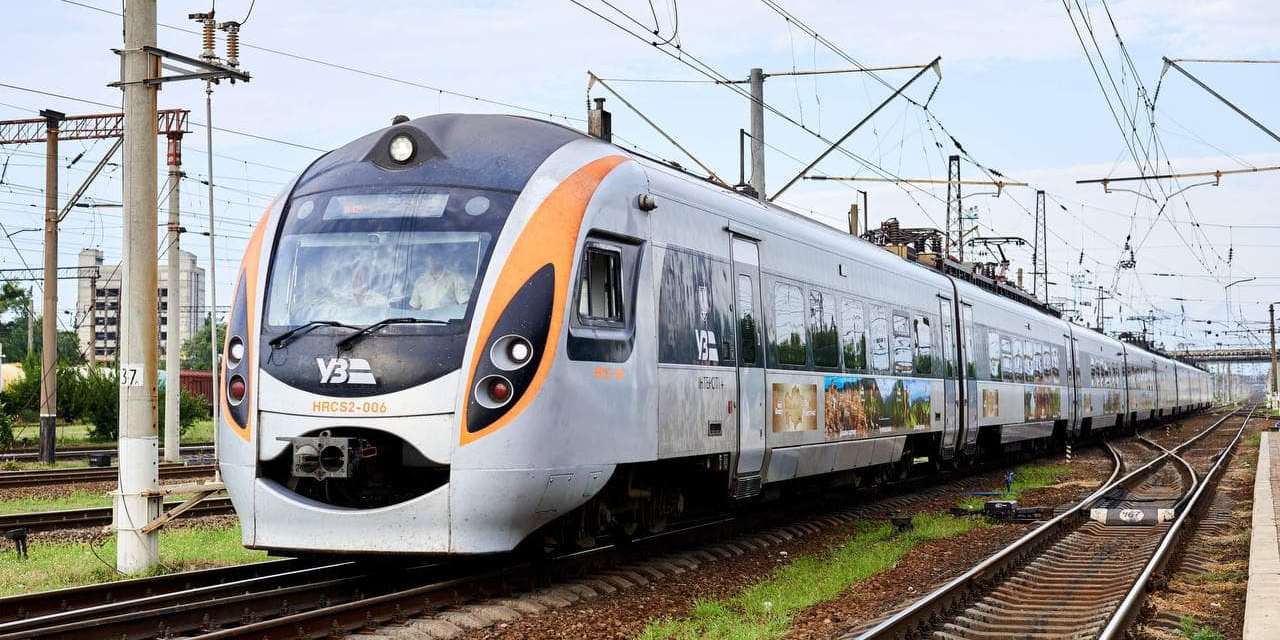
From April 25, a ticket in a SV car or first class Intercity costs exactly as much as the algorithm decides at the moment of purchase. Ukrzaliznytsia has launched dynamic pricing for the premium segment — a model that has long been standard among European railway operators, but is new for the Ukrainian market.
Four levers that move the price
Coefficients are applied to the base ticket price simultaneously across four parameters.
- Seasonality. The year is divided into 16 zones. During peak periods — August, Christmas holidays — an increasing coefficient of up to 1.2 is applied. In January and February, when demand drops, the coefficient decreases to 0.8–0.85.
- Day of the week. Friday and Sunday are traditionally more expensive days; mid-week is cheaper.
- Advance purchase. The closer to the departure date — the higher the price. According to Ukrzaliznytsia board chairman Oleksandr Pertsovskyi, approximately 30% of passengers buy tickets on the day of travel or two days before — this group will feel the changes most acutely.
- Car occupancy. When the car is 70–80% full, the ticket is cheaper. As seats sell out — the price rises.
Who this doesn't apply to
Platzkart, coupe, and second class Intercity remain with fixed tariffs. The dynamic model is exclusively for SV (luxury) and first class, meaning the segment where Ukrzaliznytsia competes not with other trains, but with business-class buses and domestic flights.
«We will be able to apply these tools flexibly — separately for different routes and directions»
Oleksandr Pertsovskyi, board chairman of Ukrzaliznytsia
Why now
The logic is straightforward: premium cars are the only segment where Ukrzaliznytsia is not bound by social tariff obligations. Platzkart and coupe are regulated by the PSO mechanism (compensation for the difference between affordable price and cost), so changing tariffs there is more politically difficult. SV and first class are commercial space where demand monetization doesn't require additional approvals.
In parallel, Ukrzaliznytsia has already announced the next step: from April 2026, SV prices on international trains will increase by approximately 20% due to tariff indexation.
What this means in practice
A passenger who was used to buying a Kyiv–Lviv SV ticket a week before travel in August on a Friday will see a price that simultaneously incorporates three increasing coefficients. A passenger planning the same trip on a Tuesday in February and buying a month in advance may get a price lower than the previous fixed rate.
The model is fair in theory: those who plan ahead win, those who drag it out until the last moment pay extra. The question is whether Ukrzaliznytsia will publish the coefficient calculation formula in open access — without this, it's impossible to verify whether the "dynamic" algorithm hasn't simply become a pretext for systematic price increases.