Kyiv after strikes: nearly 60% without power, about 30% of buildings without heating — Zelensky demands additional resources
The President disagrees with the capital authorities' assessment and has ordered a review of the exemptions for energy workers — a signal that the crisis is shifting into a mode of systemic response. We break down what this means for the safety and lives of Kyiv residents.

By Tetiana Suchkova-Ladik
January 21, 2026 · 2 min read
Status — brief
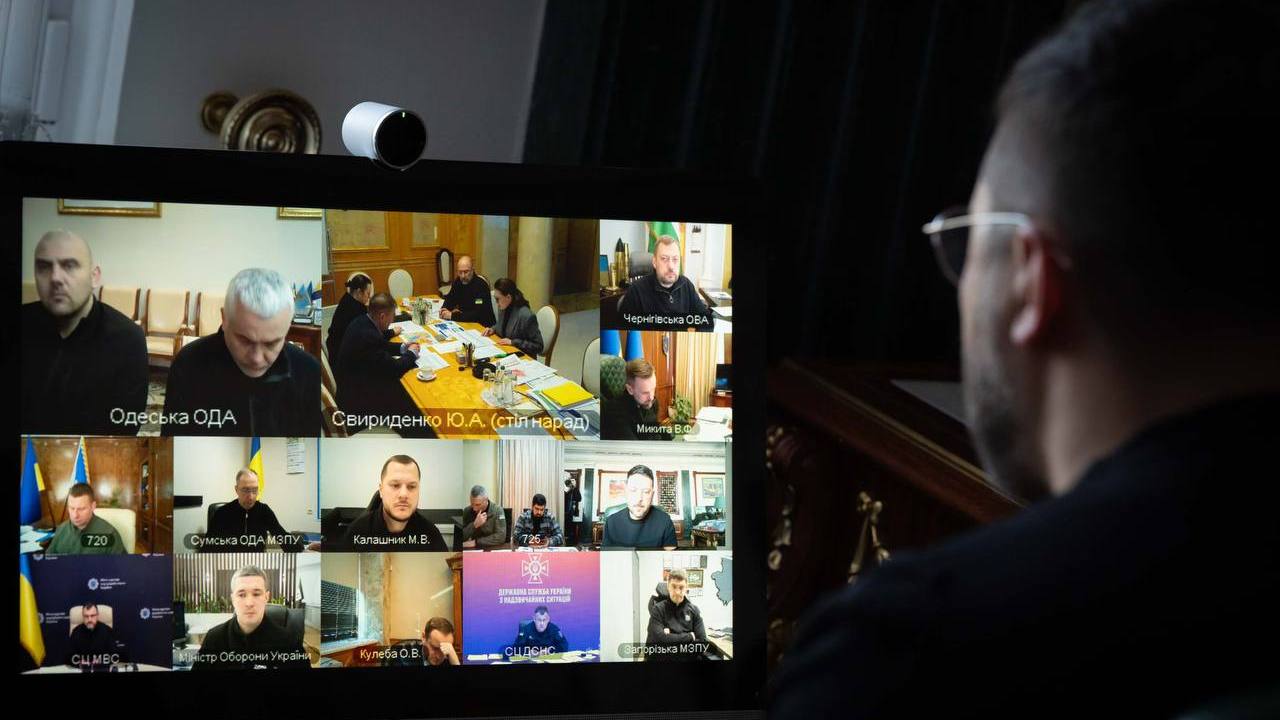
After the latest missile strikes on critical infrastructure, Kyiv is experiencing widespread outages: almost 60% of consumers are left without electricity, about 4,000 homes are without heating (roughly one-third of the total). President Volodymyr Zelenskyy reported this following a coordination teleconference on energy.
President's reaction
"According to city authorities' reports, the forces involved are sufficient, but time is needed. I do not agree with this assessment — additional measures and additional mobilization of resources are needed"
— Volodymyr Zelenskyy, President of Ukraine
Zelenskyy instructed the prime minister and the defense minister to verify information regarding the exemption of energy and municipal utility workers. For companies that are working to eliminate the consequences of the strikes, a 100% personnel exemption must apply — so that response capacity is not reduced by mobilization restrictions or other obstacles.
"A lack of effective on-site response should not be written off as a shortage of personnel — cities have the resources to bring people to work"
— Volodymyr Zelenskyy, President of Ukraine
Where else and why this matters
Similar strain is being recorded in Kharkiv and the surrounding region, Chernihiv, Sumy and Dnipropetrovsk regions. Damage to critical infrastructure combined with below-freezing temperatures is increasing the social burden: needs for temporary housing, fuel and medical assistance are rising.
Kyiv mayor Vitali Klitschko reported the departure of "hundreds of thousands" of people after the massive strikes (one at the end of December and three in January), which further complicates the logistics of aid and the restoration of services in the city.
What the government is doing and what to expect
The President expects a separate government report on support programs for those affected and is already planning talks with partners about additional assistance — in particular, about missiles for air defense and equipment for the energy sector. This is not only a matter of supplying equipment: it concerns preserving critical infrastructure during further strikes and the rapid restoration of services.
Analysis and next steps
Why this matters to every resident: stability of electricity and heating affects the city's health, safety and economy. The President's message is an attempt to shift the situation from ad hoc local response to systemic measures: exempting key specialists, mobilizing resources, and securing external assistance.
Now it is up to the government and partners: declarations must be turned into concrete decisions — from mechanisms for exemptions to the delivery of equipment and air defense systems. The question remains open: will it be possible to quickly resolve logistics and protect critical infrastructure to minimize human and economic losses?
"I expect a separate government report on programs to support Ukrainians in the state of emergency and on negotiations with partners"
— Volodymyr Zelenskyy, President of Ukraine