Kyiv demands UAH 6.27 million from Forward residential complex developer — infrastructure funds must be returned to the city
The prosecutor's office has filed a lawsuit against LLC "Rybalko‑Company" over an unpaid developers' contribution. Why this matters for Kyiv residents and what precedents already exist in case law — briefly and to the point.

By Tetiana Suchkova-Ladik
January 7, 2026 · 2 min read
What the lawsuit concerns
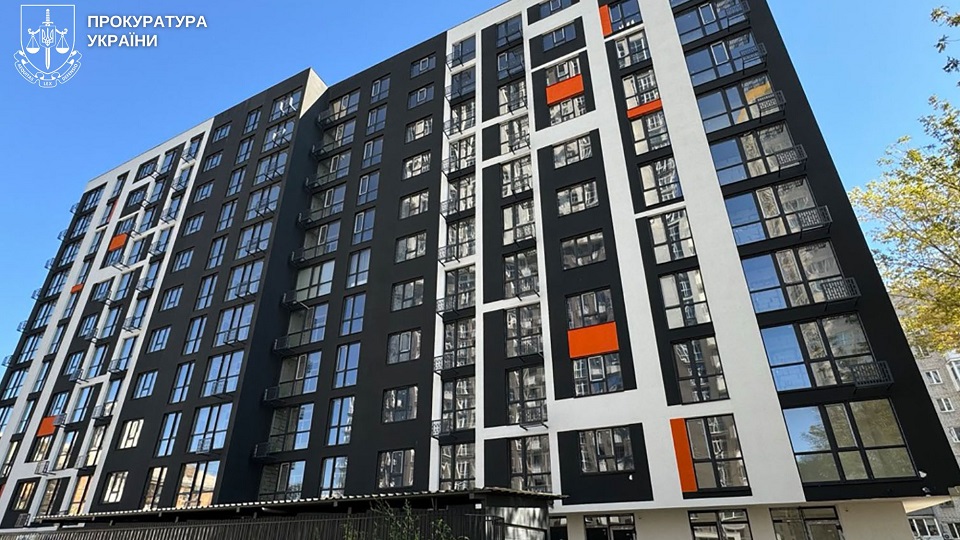
The Kyiv City Prosecutor's Office has filed a claim with the Commercial Court of the city seeking to recover from LLC "Rybalko‑Company" nearly UAH 6.27 million in unpaid developer contribution. The case concerns the reconstruction of a residential building on Marshal Rybalko Street (now Rostyslavska Street) in the Shevchenkivskyi district, the prosecutor's press service said.
What the amount includes
The total amount includes about UAH 5.47 million directly for the developer's share in creating the city's social and engineering‑transport infrastructure, as well as inflationary losses and 3% annual interest accrued for the period of delay.
"The prosecutor's office is demanding recovery of more than UAH 6 million from LLC 'Rybalko‑Company' for an unmade developer contribution that was established during an inspection."
— Press service of the Kyiv City Prosecutor's Office
Why this matters for Kyiv residents
Developer contributions are not a formality. These funds are used for road repairs, network development, kindergartens and other facilities that city residents rely on. According to Kyiv's estimates, due to developers' non‑payments the budget has lost more than UAH 1.2 billion.
Context and precedents
The 2019 law on stimulating investment abolished mandatory developer contributions from 2021, but obligations remained for developers who began construction earlier. Therefore the current suit is part of a broader practice: in September 2025 Kyiv filed a claim for UAH 22 million against the developer of the Berezhanskyi residential complex, in November — against the developer of the Eco Dream residential complex, in January 2025 the court obliged the developer of the Manhattan City residential complex to pay UAH 69 million, and in July the city recovered another UAH 10 million from the developer of the "52 Perlyna" residential complex.
What could change
A preparatory hearing is scheduled for February 23. If the city prevails in the suit, it will strengthen the precedent and could speed up the return of funds to infrastructure projects. If not, the issue of under‑receipts will remain open and will affect the ability to finance urgent works in neighborhoods.
The question remains simple and practical: can Kyiv more effectively secure these payments so that infrastructure serves residents, rather than becoming the subject of prolonged court disputes?



