Kyiv region exits emergency outage schedules: power supply stabilizes, but risks remain
DTEK announced the region's withdrawal from emergency outage schedules — we examine what changed today, how this will affect each resident's day, and what to expect next.

By Tetiana Suchkova-Ladik
January 26, 2026 · 2 min read
What happened
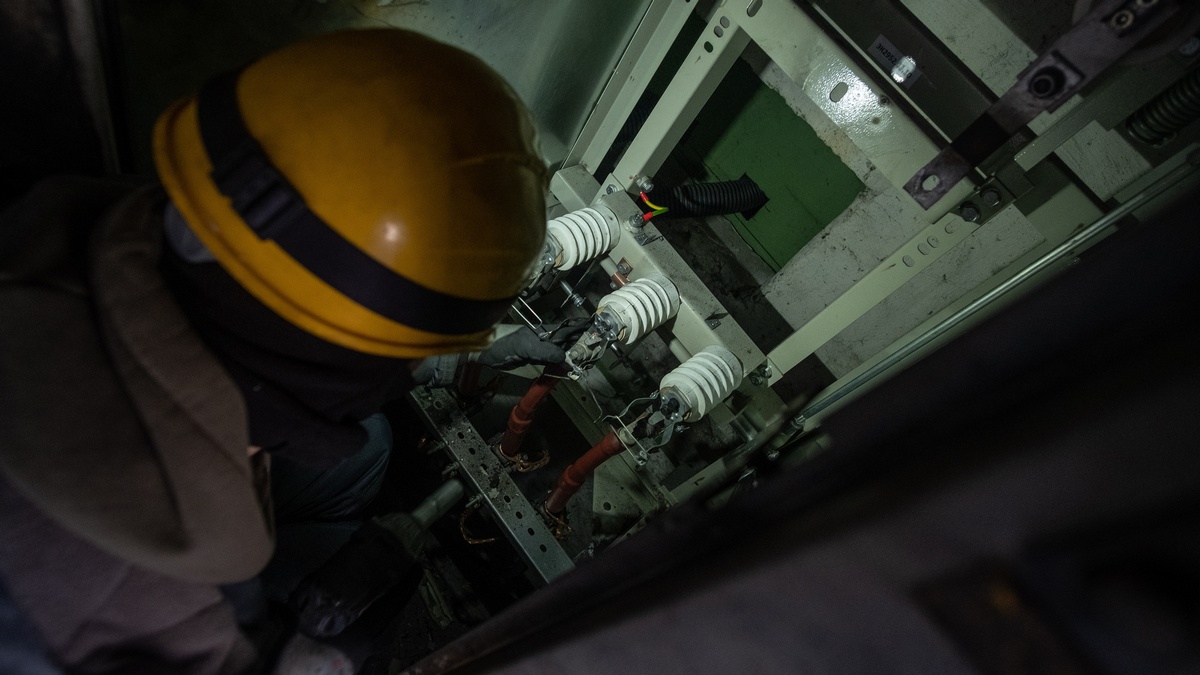
Energy holding DTEK reported that Kyiv region has come off the emergency power outage schedules it had been under recently. At the same time, the company emphasizes that the situation remains difficult and may change.
"Energy workers have managed to stabilize the power supply situation in the Kyiv region. At the same time it remains difficult and may change"
— DTEK, energy holding
Stabilization outage schedules for Kyiv region have not been published since January 16. As of January 26, most consumers will receive electricity for 3.5–4.5 hours until the end of the day.
Energy specialists ask residents not to turn on high‑power appliances in the first 30 minutes after the lights come back on and to use devices one at a time to avoid repeated overloads and failures.
Context: why this happened
Outage schedules are in effect in all regions not occupied because of systemic damage to the power system after missile‑drone attacks. Last week, two combined strikes on January 20 and 24 significantly complicated network operations and, according to authorities, made the week one of the most difficult since the November 2022 blackout.
"Last week, because of two combined strikes on January 20 and 24, it became one of the most difficult for the Ukrainian power system since the November 2022 blackout"
— Yuliia Svyrydenko, Prime Minister
What this means for residents
Stabilization is an important step toward normalization, but it is not a guarantee of steady supply going forward. For everyday life this means: plan the use of household appliances, keep portable power banks and devices that provide basic comfort charged (lighting, communication devices, refrigerator).
Practical advice
First, follow the advice of energy specialists: do not turn on several high‑power appliances at once immediately after power is restored. Second, favor economical heating and lighting modes. Third, follow official DTEK channels and local authorities — they will publish updates on schedules and recommendations.
Brief outlook
Stabilization in the Kyiv region is the result of the crews' prompt work and the system's adaptation to loads. However, long‑term normalization will depend on the security of energy infrastructure and the pace of damage repairs. For now, the most important thing is to remain cautious and follow simple energy‑saving rules: the number of available hours of electricity in your homes now directly depends on this.



