China Sent LNG to Europe for the First Time in Four Years — What It Means for Energy Security
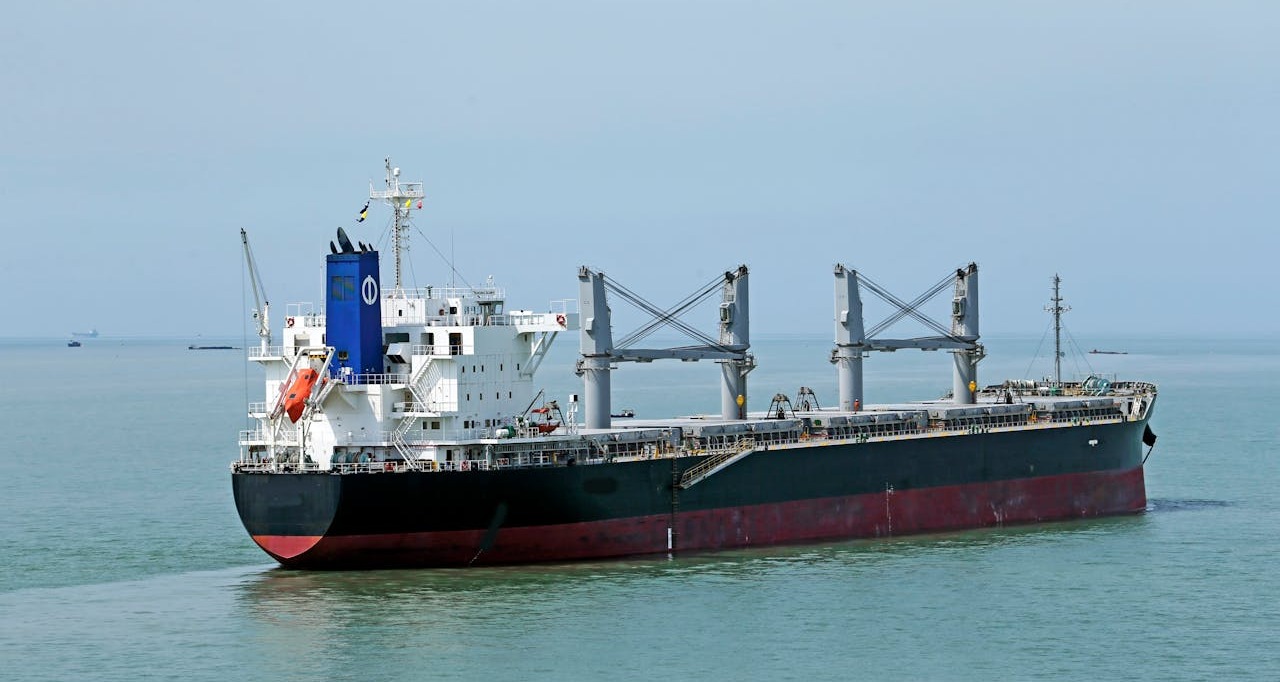
The tanker Seapeak Glasgow departed from a terminal in Ningbo carrying a cargo of liquefied gas. It’s the first such shipment in four years — we examine why Beijing is selling part of its reserves and what the consequences are for the EU and Ukraine.

By Tetiana Suchkova-Ladik
February 12, 2026 · 2 min read
What happened
According to Bloomberg, the tanker Seapeak Glasgow loaded a cargo of liquefied natural gas (LNG) at the Zhejiang-Ningbo port at the end of January and headed via Singapore, indicating Europe as a possible destination. The vessel's route was also confirmed by Kpler.
“This is the first such case in four years”
— Bloomberg / Kpler (vessel tracking and market data)
Why it matters right now
European LNG imports have risen to a seasonal high — the continent is trying to make up for reduced pipeline supplies from Russia since 2022. In this context, the arrival of a cargo shipment from China could temporarily ease pressure on the market and support inventories during a critical season.
At the same time, it is important to understand the mechanism: Chinese importers built up large stocks over the winter and are now reselling part of them. So this is largely a redistribution of existing volumes rather than a sharp increase in global supply.
Uncertainty of delivery and the market
It should be borne in mind that vessels often change course or resell cargoes en route. Therefore, there is no guarantee the cargo will be unloaded in Europe: the final buyer may change, and the impact on regional prices will depend on that and on overall inventory levels.
Implications for the EU and for Ukraine
In the short term: possible partial relief for the European LNG market and a reduced risk of shortages during the heating season. But this does not replace the need for long-term supply diversification and building up strategic reserves.
For Ukraine, the significance is more geopolitical: a stable energy situation in the EU reduces the risk of economic pressure on European partners and strengthens their ability to continue supporting our defense and reconstruction for longer. In other words, Europe’s energy resilience is an indirect part of our security.
What analysts say
Analysts note that China may increase LNG imports in 2026 after a decline last year, but even optimistic forecasts remain below 2024 levels. Thus, a long-term shift in demand and supply structure is not yet visible — this is more a stock correction and a temporary logistical operation.
Conclusion
The shipment from China is a signal that the LNG market is adapting: major players are reallocating stocks, and trade remains flexible. For Ukraine, the key issue is not a single tanker but ensuring that European partners have stable energy resources and economic resilience — this directly affects their ability to provide political and financial support to our country.



