Kyiv finally abandons 80 km/h speed limit: roads couldn't withstand the winter — and not only
For the first time in eight years, none of the 17 designated highways will receive a seasonal increase in speed limits. The figures show it's not just about potholes after winter, but a deliberate logic of reduction: 8 sections in 2024, 4 in 2025, and zero in 2026.

By Tetiana Suchkova-Ladik
March 31, 2026 · 2 min read
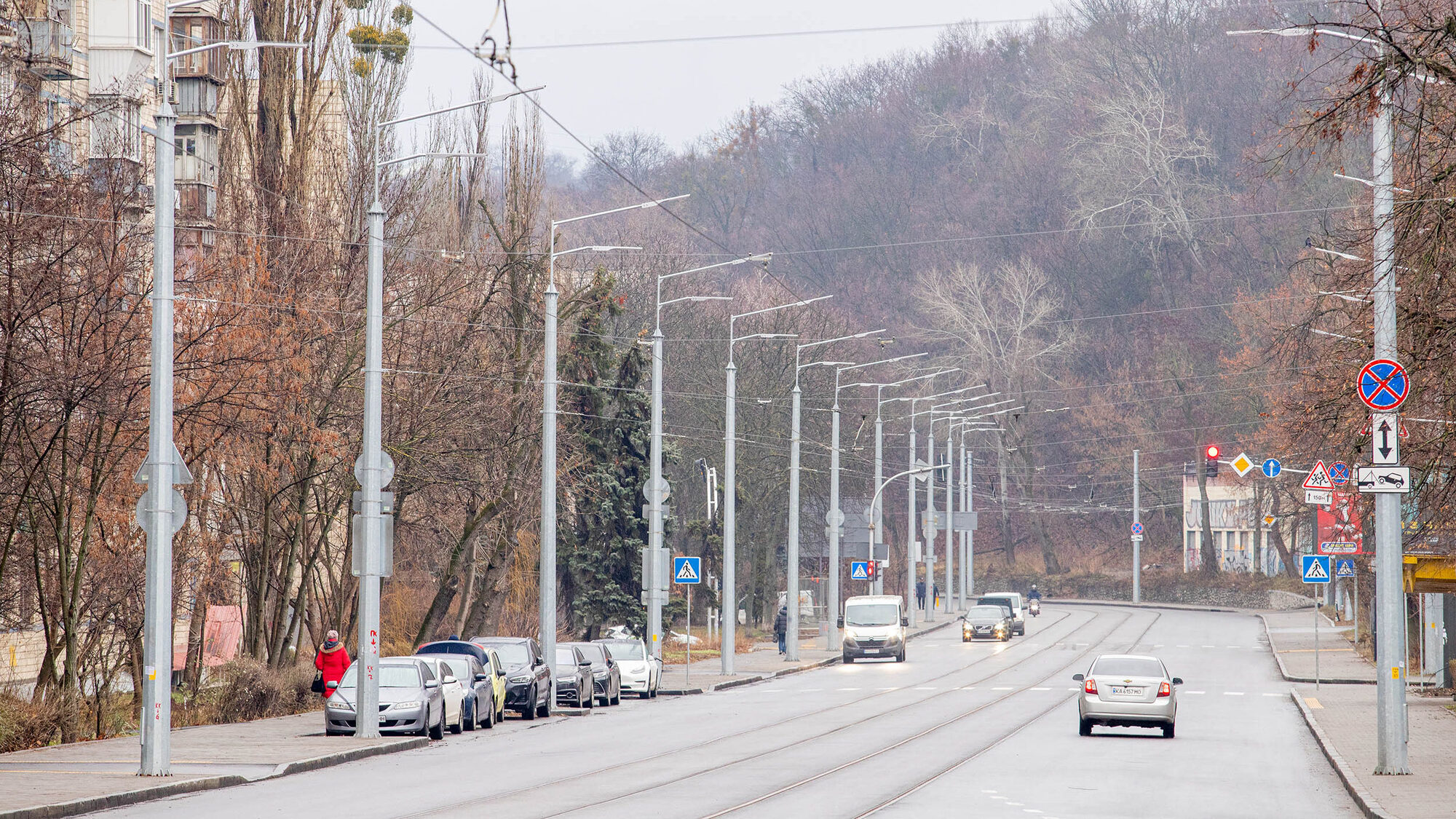
Each year from April 1 a portion of Kyiv’s main thoroughfares turned into a legal high-speed corridor — up to 80 km/h instead of the standard 50. This year — for the first time since 2018 — no street fell into that window.
How the list was reduced
In 2018 the Kyiv City Council approved 17 thoroughfares with a seasonal permit for 80 km/h. Since then the list has only shrunk: in 2024 the increase applied to eight sections, in 2025 — only four, after three stretches recorded a rise in fatal crashes. In 2026 — zero.
The Department of Transport Infrastructure carried out a joint inspection together with the patrol police, Kyivavtodor and the Center for Traffic Organization. Conclusion: none of the streets on the list meet the traffic rules criteria and the methodology for speed decision-making. An additional factor was a harsh winter that worsened pavement conditions.
“The inspection showed that they do not fully meet the necessary criteria defined by the Traffic Rules and the methodology for decisions on setting speed limits, as well as current state norms and standards.”
Official statement of the Kyiv City State Administration (KMDA)
The numbers behind the decision
The safety argument is not new rhetoric. During the discussion about 2025 the Center for Traffic Organization cited data: on streets with a seasonal speed increase there was every third fatality in Kyiv traffic crashes over recent years — 182 dead and 1,789 injured over 3.5 years. The city’s cycling community, relying on official Patrol Police statistics, initiated a petition in 2024 to fully cancel the seasonal regime.
Parallel statistics add context: over three years in Kyiv 210 people were killed by Russian attacks — and 293 in traffic accidents in the same period. Speeding in Ukraine in 2025 caused 40.8% of crashes with casualties and 1,718 deaths per year.
What "zero" changes compared to "four"
The practical effect for drivers is minimal: the four stretches in 2025 provided a maximum saving of
- 50 km/h applies on all city streets from April 1 to November 1, 2026
- The decision does not require changes to the Kyiv Council’s 2018 decision — the list remains, it’s just that no section received police approval
- Formally, the city can return to the increase in 2027 if the roads are brought into compliance with standards
A telling detail: the Code of Administrative Offenses penalizes only for exceeding the limit by more than 20 km/h, plus a 2 km/h technical margin. So with an allowance of 80 km/h the effectively unpunished speed reached 102 km/h within the city.
If in 2027 the city carries out repairs and again submits sections for approval — the question will not be “how many streets,” but whether there will finally be independent monitoring of accident rates after each season with a public report, without which yearly decisions to raise speeds will look like an administrative habit rather than a managerial choice.



