Kyiv asks state for 15 billion — and says agreement is already in place
# Kyiv City Council formally submitted a request to the Cabinet of Ministers and Parliament for equal funding of energy resilience: the city and the state to each cover half of the approximately 30 billion hryvnias in total costs. However, the "agreement" currently lacks an implementation mechanism.

By Tetiana Suchkova-Ladik
May 14, 2026 · 2 min read
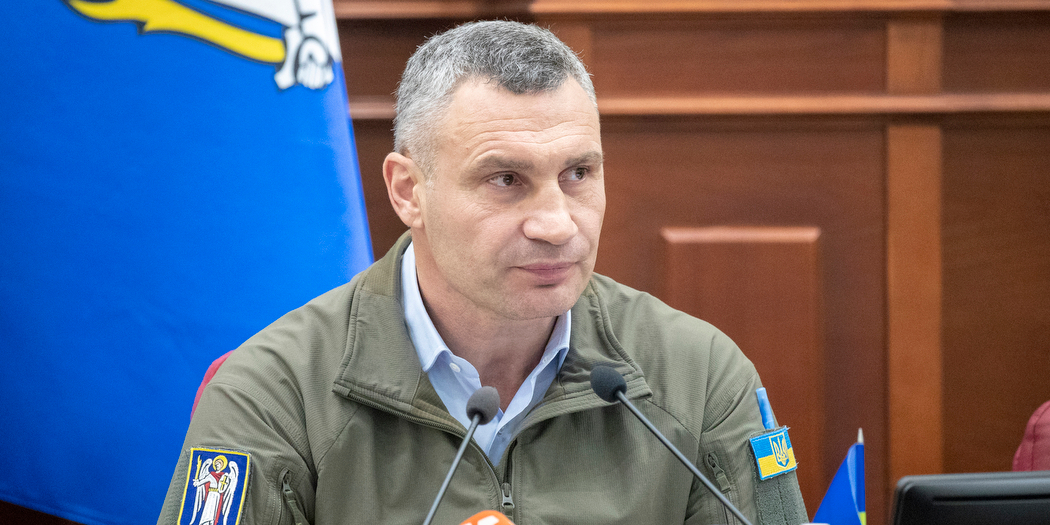
On May 14, Kyiv City Council adopted an official appeal to the Verkhovna Rada and the Cabinet of Ministers requesting an allocation of at least 15 billion hryvnias from the state budget for critical infrastructure protection, development of cogeneration, and backup heat supply. This is not a surprising figure — it is exactly half of the approximately 30 billion hryvnias that the city and government allegedly already agreed upon as a priority.
«Formalize agreements» — what does this mean in practice
According to Klitschko, Kyiv has an agreement with the government on energy resilience funding in a 50/50 proportion. The Kyiv City Council appeal is an attempt to convert an oral agreement into a document with legal weight. Without such formalization, any «yes» from the Cabinet remains an intention, not an obligation.
«This appeal is necessary to formalize and cement our agreements»
— Vitaliy Klitschko, May 14
In other words, the city publicly acknowledges that even after previous negotiations, firm guarantees are absent. The council's appeal is a tool of pressure, not confirmation of a fact.
Where the money will go: cogeneration is the most expensive item
The public part of the energy resilience plan, which the first deputy mayor Panteleyev unveiled in March, reveals the structure of expenses. The total budget of the plan is 67.5 billion hryvnias, with available funding covering significantly less than half.
- Cogeneration — 15 billion hryvnias (the largest item)
- Decentralization of heating — the second largest need
- Solar generation for 343 facilities — 2.7 billion hryvnias, with only 241 million allocated
- Condominium associations, individual heat exchange stations, generators — 3.5 billion hryvnias, with available funding of 590 million
In parallel, Kyiv City Council itself voted on May 14 to allocate an additional over 9 billion hryvnias from the municipal budget for preparation for the next heating season — separately from what it is requesting from the state.
Context missing from the official announcement
Kyiv developed and approved the concept of distributed cogeneration in spring 2024 — the first among Ukrainian cities to do so. This means the technical part has been ready for over a year; the delay is in financing. According to experts, a complete reconstruction of the capital's heating system could take between 20 and 30 years: the current 15 billion is not a solution to the problem, but funding for the first real step.
If the Cabinet includes 15 billion in the 2026 budget project, one can speak of real commitments. If the appeal remains unanswered by autumn, Kyiv will enter the next heating season with the same structural vulnerabilities that made the winter of 2024–2025 critical.