Kyiv falls 50 places in European housing-price ranking — what it means for residents and the market
Numbeo records a sharp drop in the capital’s ranking for apartment prices. This is not just a statistic — it’s an indicator of demand, risks, and opportunities for investors and residents.

By Tetiana Suchkova-Ladik
March 13, 2026 · 2 min read
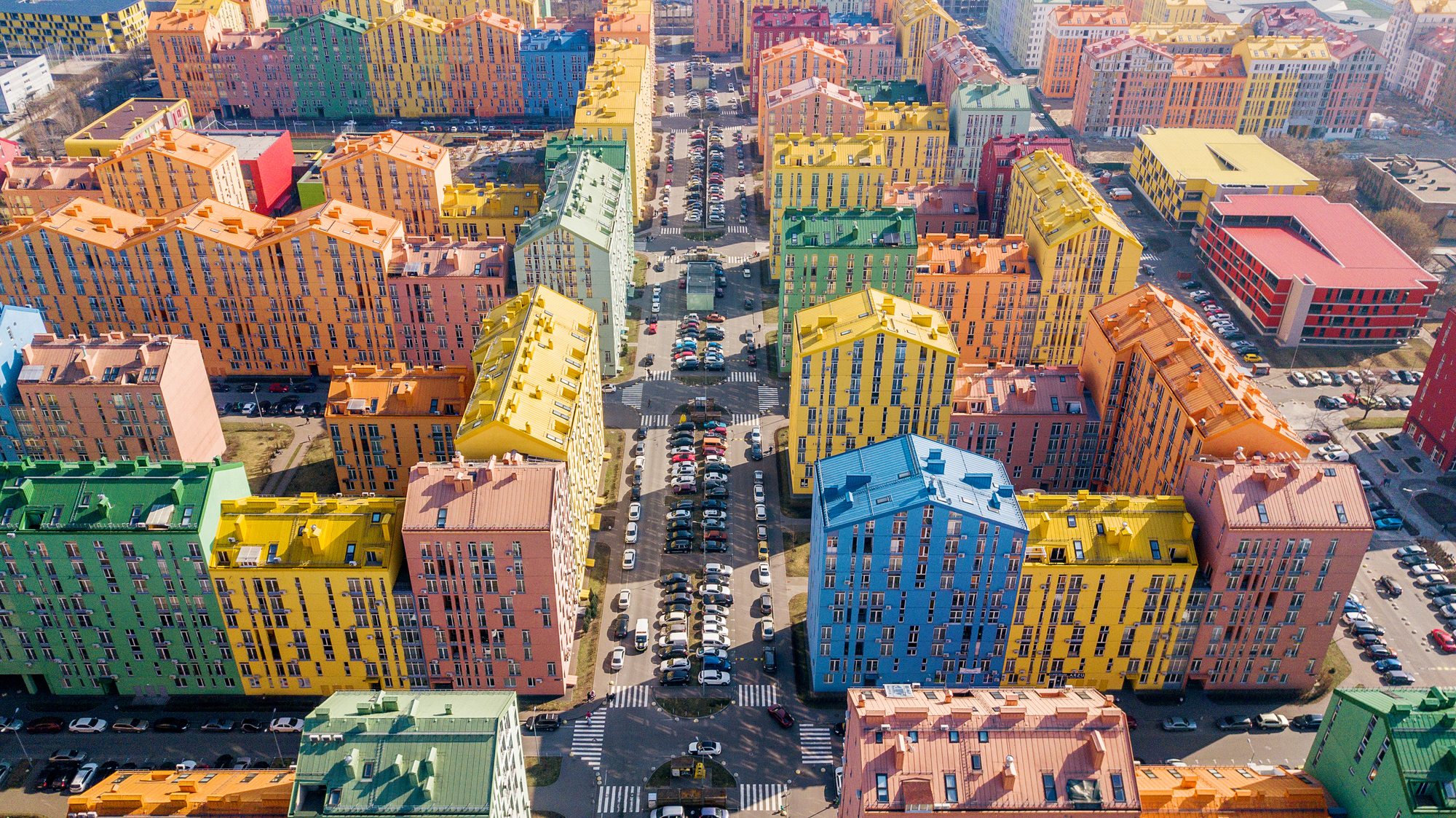
Ranking and key facts
Over the past six months Kyiv has fallen by 50 positions in the ranking of European cities by housing prices according to Numbeo. The capital now ranks 188th with an average price of 2,345 euros per m² in the city center.
As LIGA.net recalls, in August 2025 Kyiv was in 137th place, and in August 2024 — in 100th with a price of about 2,430 euros/m². At the same time, estimated monthly expenses for a family of four rose to 84,476 hryvnias (excluding rent), and expenses for a single person — to 23,420 hryvnias.
Why this happened
The drop in ranking is the result of several parallel processes. Numbeo measures not only real estate prices but also the cost of food, services, transport and utilities, so the index reflects the aggregate economic picture of a city.
Prices fell due to weakened demand caused by demographic changes and migration, uncertainty for investors and localized infrastructure damage. At the same time, real household expenses increased — which is why the price per m² fell while everyday costs for families rose.
What this means for Kyiv residents
For potential buyers this may be an opportunity to purchase square meters more cheaply, but with increased risk: housing in areas with limited infrastructure or undergoing recovery will require additional investment. For renters and local budgets — falling prices do not offset the rise in everyday expenses and the strain on social infrastructure.
“The index shows that the fall in apartment prices is occurring against the backdrop of a general increase in the cost of living — food, transport and utilities.”
— Numbeo, cost of living database
Context: Europe and investment
The top-10 cities with the most expensive housing remain dominated by Swiss and Western European centers: in Switzerland city-center prices range from 13,000 to 28,000 euros per m². Ukrainian cities are placed near the bottom of the ranking: Odesa — 1,334 euros/m² (219th), Dnipro — 949 euros/m² (221st), Kharkiv — 949 euros/m² (222nd), Lviv — 1,742 euros/m² (215th).
Conclusion
These statistics are not a verdict, but a diagnosis. They show where the market requires targeted recovery policies, guarantees for investors and demand incentives. Falling prices lower the barrier to entry for buyers, but long-term liquidity and housing security are ensured not only by low prices but by infrastructure projects, risk insurance and state support mechanisms.
Question to the reader: which recovery and housing-market support tools do you consider a priority now — reconstruction subsidies, state guarantees for investors, or tax incentives?



