Kyivstar buys Tabletki.ua for $160 million — what this means for access to medicines in Ukraine
The largest mobile operator has unified digital services — from mobile connectivity to e-health. We explain why this matters for patients, pharmacies, and the market as a whole.

By Tetiana Suchkova-Ladik
February 10, 2026 · 2 min read
The deal and its significance
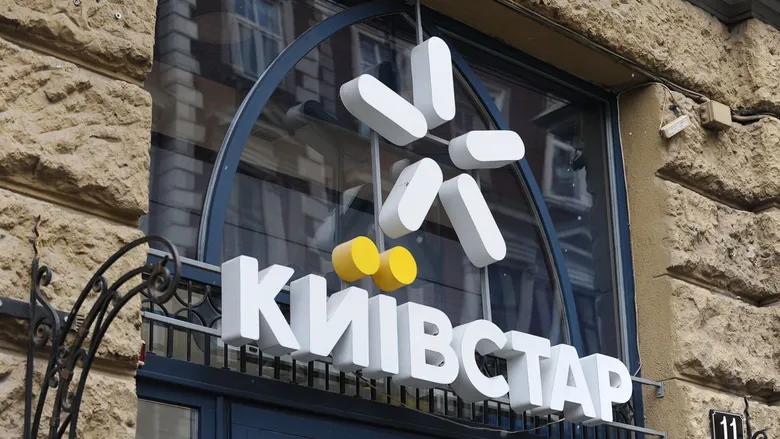
Kyivstar has officially acquired the price aggregator Tabletki.ua for $160 million — following approval from the Antimonopoly Committee. The platform works with about 14,000 pharmacies across Ukraine and enables users to find, compare prices and reserve medicines. This is not just a purchase of a service — it is a step toward consolidating digital channels that interact with the patient in everyday life.
The deal — figures and structure
Kyivstar became the owner of a 100% stake in Tabletki.ua. According to company-provided data (unaudited management accounts): the total value of goods reserved through the platform over the 12 months to September 30, 2025, amounted to UAH 57.3 billion. Net profit was $20 million, EBITDA $24 million, and the deal's P/E corresponds to a multiple of 8.0x. Between 2021 and 2024 EBITDA grew on average by 69% per year.
"We will be able to combine Kyivstar's successful experience in managing and developing digital businesses with Tabletki.ua's solid foundation to make digital medical services more accessible to a wider audience and provide the best possible convenience"
— Oleksandr Komarov, CEO of Kyivstar
Why it matters for patients
The integration of Tabletki.ua with Helsi's back-end systems and Kyivstar's mobile ecosystem creates conditions for greater convenience: faster drug searches, reservations, and integration with electronic medical records. For users, this can mean real time savings and better price transparency, especially in regions where choice is limited.
Business logic and the market
Tabletki.ua's main revenue sources are commissions and pharmacy subscriptions (approximately 85% of revenue), advertising (12.2%) and other services (2.8%). For Kyivstar this is a cross‑selling tool: increasing customer LTV, monetizing traffic, and creating synergies with existing services (Helsi, Uklon, mobile subscriptions). Kyivstar's Nasdaq listing further reinforces the market signal about the company's ability to raise capital and scale digital products.
Risks and regulatory questions
Despite the Antimonopoly Committee's approval, the deal increases the concentration of digital services in the hands of a single player, which requires transparency regarding pharmacies' access conditions to the platform and protection of patient data. Some financial metrics are based on unaudited data — this should be taken into account when assessing long-term expectations.
Brief conclusion
This purchase is not a loud show of force but a strategic consolidation of services that directly affect Ukrainians' everyday lives. Now the question is operational implementation: whether promises of convenience and accessibility will translate into concrete benefits for patients and pharmacies, and how the market will react to the new rules of the game.



