Lockheed Martin to Triple PAC-3 MSE Production Over Seven Years — But Ukraine Won't Feel the Difference Before Next Decade
The United States has signed a $4.7 billion contract with Lockheed Martin to accelerate the production of Patriot interceptors. The annual production rate will increase from 600 to 2,000 missiles, but not immediately—rather gradually over seven years.

By Tetiana Suchkova-Ladik
April 11, 2026 · 2 min read
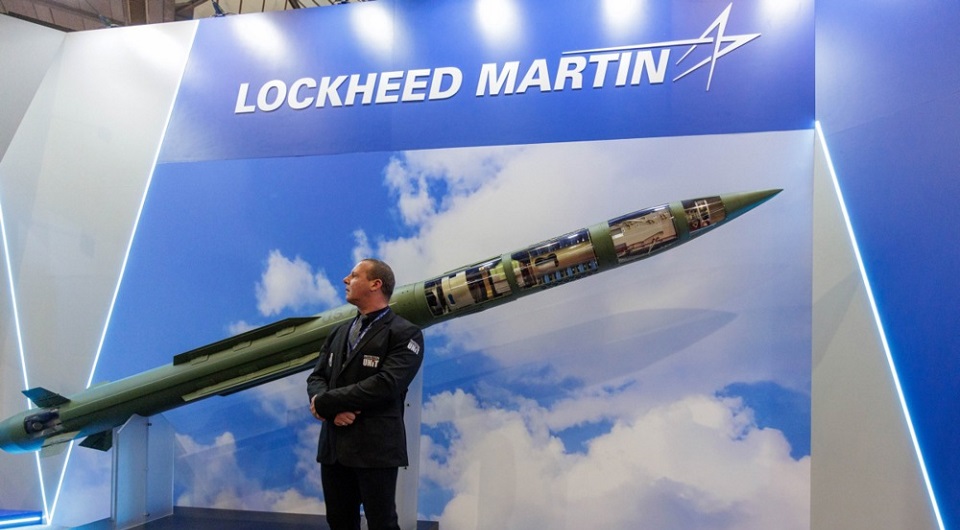
On April 11, 2025, Lockheed Martin announced the signing of a so-called "Undefinitized Contract Action" (UCA) with the Pentagon worth $4.7 billion. The contract allows the company to immediately ramp up production of PAC-3 MSE missiles — the primary interceptor for Patriot systems — without waiting for final agreement on all terms.
From 600 to 2,000: What the Numbers Mean
This contract solidifies a framework agreement signed back in January 2026 between Lockheed Martin and the U.S. Department of Defense. According to the company's press service, the seven-year agreement provides for increasing annual production of from approximately 600 to 2,000 missiles. Over the past two years, Lockheed has already increased the pace by more than 60%: in 2025, over 600 interceptors were delivered — 20% more than a year earlier.
The UCA gives the company the legal and financial foundation to "supply a record quantity" of missiles to the U.S. military and allies this year — without waiting for months of price negotiations.
Where the Deficit is Already Being Felt
According to Defense Express analysts, the current production level is approximately 620 missiles per year, or 51–52 interceptors per month. This volume is distributed among all Patriot operators, with priority given to the U.S. military.
For context: in December 2025 alone and through January 30, 2026, Russian forces used at least 145 ballistic, aeroballistic, hypersonic, and other high-speed missiles, each requiring a response from the Patriot system. Standard armament for one launch unit is six PAC-3 MSE missiles; fully reloading all Ukrainian Patriots would require approximately 360 such interceptors.
"PAC-3 MSE stockpiles, on which Ukraine depends to protect energy and military infrastructure from ballistic missiles, have been depleted following intensive use in the Persian Gulf, and increasing production is unlikely to resolve the deficit this year."
Reuters, April 10, 2025
The Cost of Asymmetry
The contract also emerged amid a broader discussion about the economic logic of air defense. As Defense News notes, the average cost of an Iranian Shahed drone is approximately $35,000, while one PAC-3 MSE costs roughly $4 million. This represents a cost ratio of 114:1 favoring the attacking side — and this very arithmetic is pushing Washington to search for cheaper interceptors in parallel with ramping up production of expensive ones.
- Current pace: ~620 PAC-3 MSE per year (2025 data)
- Target pace: ~2,000 per year — within seven years
- Cost per interceptor: ~$4 million
- Contract status: UCA — allows production to begin immediately, final price agreed upon later
What's Next
In parallel, the U.S. State Department approved a potential sale of PAC-3 MSE and related equipment to Saudi Arabia worth $9 billion. This is additional demand on the same production line that is already overloaded.
If Lockheed truly reaches the 2,000 missiles per year mark by the end of the seven-year horizon, the chronic interceptor shortage will become manageable. But the question remains open: will industrial capacity be able to catch up with combat demand if the intensity of conflicts — in Ukraine, in the Middle East — does not decrease over the next three to four years?
```


