Lockheed Martin in Lithuania: a signal to the Baltic and Ukrainian defense industries
An American defense giant has opened a subsidiary in Lithuania — this is not just a business move. We explain why it matters for regional security, supply chains, and Ukraine’s defense industry.

By Tetiana Suchkova-Ladik
March 20, 2026 · 2 min read
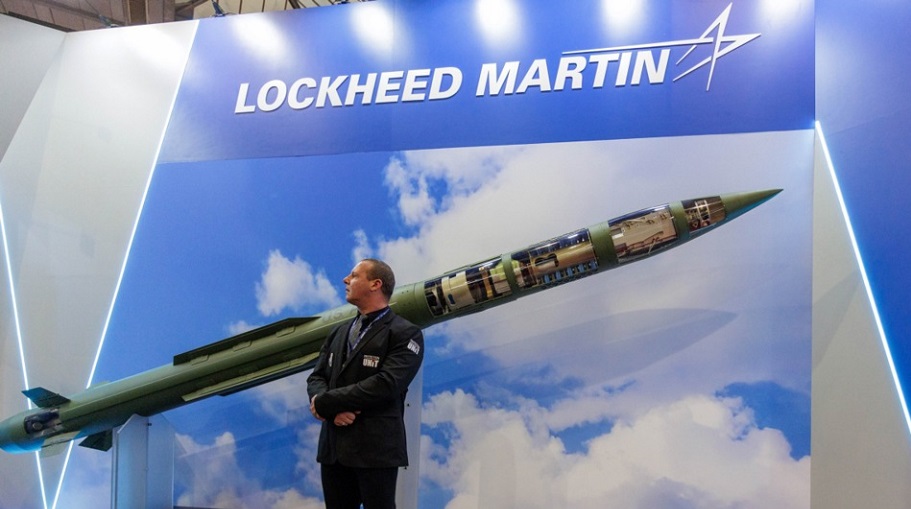
By official accounts — a step worth noting
American company Lockheed Martin has opened a subsidiary in Lithuania and is conducting preliminary talks about possible investments, the BNS agency reported. At first glance this is a corporate decision — but its consequences go beyond an ordinary business story.
“Lithuania is of interest to them in terms of cooperation and possible investments, but those are details we have not yet had time to discuss.”
— Edvinas Grikšas, Lithuania's Minister of Economy
What the parties say
After meeting with company representatives, the minister confirmed Lockheed Martin's interest in cooperation, but specific projects have not yet been determined. The foreign investment promotion agency Invest Lithuania also confirms that talks are ongoing, but there is currently no public information about concrete plans.
Context: why this is happening now
At the end of January Lockheed Martin raised its profit expectations for 2026, noting steady demand for fighters and weapons systems. The company cites, among other factors, Russia's war against Ukraine and global tensions as a driver of sales. Thus the decision to establish a presence in the Baltics logically fits a strategy of securing shorter supply chains and enabling rapid responses to regional risks.
Consequences for the region and for Ukraine
Briefly on possible effects:
• Strengthening logistics and access: a manufacturer's presence close to Eastern Europe reduces time and costs to deliver equipment to the region.
• Potential for technological partnership: bilateral projects could involve local companies, offering chances for knowledge transfer and jobs.
• Signal to investors: the arrival of a major player increases the region's attractiveness to related suppliers and contractors.
For Ukraine this matters both from a security perspective and for industrial cooperation: shorter supply chains and stronger regional partners mean faster access to critical systems if needed.
Which scenario is likely next
For now, discussions and assessments of opportunities are underway. The economic logic — steady demand for defence products and strategic placement — favors turning interest into real investments or local projects. At the same time, the key question remains practical: will this develop into concrete contracts and production links that strengthen the region's defense capability and create additional channels of support for Ukraine?



