Left Bank without tram service: energy redirected to critical infrastructure — what it means for Kyivans
This morning, electric public transport on Kyiv’s left bank was temporarily halted after part of the power supply was redirected to life‑critical facilities. We explain why this happened, how the replacement will operate, and what to expect next.

By Tetiana Suchkova-Ladik
January 10, 2026 · 2 min read
What happened
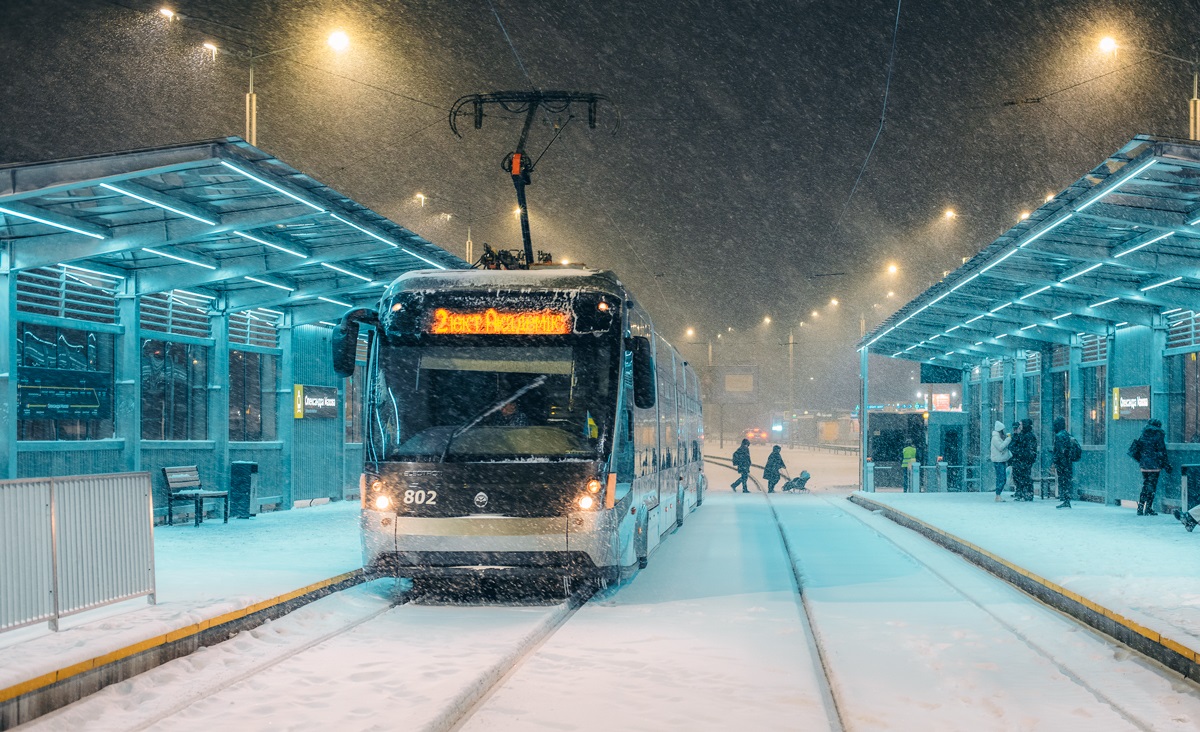
On the morning of January 10, due to emergency power cuts, all electric transport on the left bank in Kyiv temporarily stopped. This was officially reported by KP "Kyivpastrans": the electricity that previously powered trams and trolleybuses on the left bank was redirected to ensure the operation of infrastructure facilities critically important for the city's life support.
"The electricity that was previously used to power electric transport on the left bank has been redirected to ensure the operation of infrastructure facilities critically important for the city's life support."
— KP "Kyivpastrans"
How the city compensates for travel
To maintain connections, tram and trolleybus services on the left bank will be duplicated by bus routes. On the right bank the electric transport is operating, but with deviations from schedules; the metro has temporarily reduced the number of trains on all three lines.
"Waiting time will now be 10–12 minutes."
— Kyiv Metro
Why this was done and what it means
According to the Kyiv City Military Administration (KMVA), the cause was a problem in one link of the capital's power system; specialists are already working to eliminate it. Redirecting resources is a decision made in favor of residents' safety: priority was given to heat supply, water supply and other critically important facilities.
"This happened because of a problem on one link of the power system; specialists have already dealt with it."
— Kyiv City Military Administration (KMVA)
Practical consequences for passengers
Plan extra time for your trips: replacing electric transport with buses may lengthen routes and queues at stops. Where restoration work continues after Russian attacks, restrictions may remain longer — responsible services emphasize safety during repairs.
Context and forecast
Short-term redirection of energy is a mechanism to protect the city's vital systems in extreme conditions. Energy analysts note: such operations reinforce an important point — investments in energy system flexibility and protected infrastructure become critically important during wartime. City authorities promise to report on stabilization and the gradual restoration of service schedules; for now the priority is safety and stable provision of utilities.
Recommendation for residents: check updates on the websites of KP "Kyivpastrans" and the Kyiv Metro, allow extra time when planning routes, and consider public transport alternatives.



