Only 6 of 33: why Lviv hospitals are vulnerable during power outages
After the January outages, the State Energy Supervision inspected more than 150 facilities in Lviv and the region. Backup power supplies are available, but most medical facilities do not have the status of critical infrastructure — and this creates real risks for patients.

By Tetiana Suchkova-Ladik
February 9, 2026 · 2 min read
What was inspected and why it matters
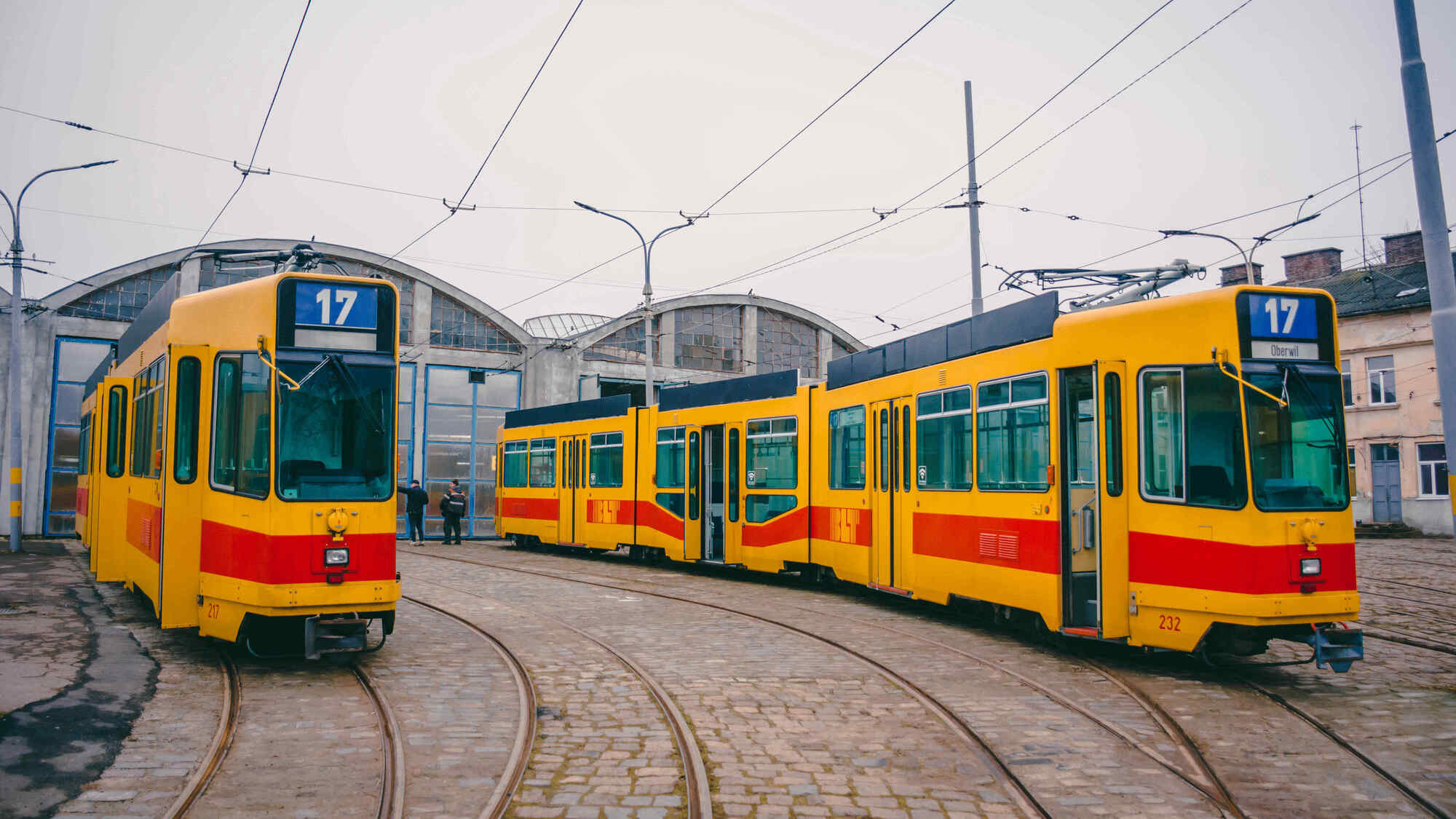
The State Energy Supervision carried out inspections of more than 150 sites in Lviv and the region — among them 33 healthcare facilities, heat supply systems, water supply systems and municipal electric transport facilities. The inspection was a response to January outages, when some hospitals and municipal transport were left without power.
Key findings of the inspection
Inspectors recorded a contradictory picture: technically many facilities are equipped with backup power sources and fuel reserves, but only 6 of the 33 medical facilities have the status of a critical infrastructure object (CIO). Moreover, in two institutions the alternative sources are connected under temporary schemes that violate the rules, and at one heat supply facility the cogeneration unit is still not connected.
"At the same time, a number of deficiencies were identified. In particular, only six of the 33 inspected medical institutions in Lviv region have CIO status..."
— State Energy Supervision, press service
Context: why CIO status matters
The status of a critical infrastructure object provides more than formal protection from disconnections: it gives priority in power restoration, grounds for state and local financial support for installing backup power systems, and clear requirements for safety schemes. If a facility is not entered in the Registry of critical infrastructure objects, it risks being placed in the queue for restoration and facing more complicated communication with energy suppliers during crises.
"Part of the hospitals and all municipal electric transport were disconnected from power."
— Andriy Sadovyi, mayor of Lviv
What authorities say and what steps are needed
The Prime Minister reminded that healthcare facilities are prohibited from being disconnected from electricity and initiated the State Energy Supervision inspection. The Lviv Regional Military Administration said that communities had time — more than a year — to prepare: install generators, stock fuel and bring backup power schemes into compliance with new requirements.
"Healthcare facilities are prohibited from being disconnected from electricity."
— Yuliia Svyrydenko, Prime Minister
Analysis and consequences
Why did this happen? A combination of changes in the approach to defining criticality, bureaucratic delays and limited community resources led to a situation where technical readiness is not always accompanied by legal protection and funding. This means that even having a generator does not guarantee rapid restoration or priority fuel supply during large-scale outages.
What to do next
The State Energy Supervision urges the prompt inclusion of medical institutions in the Registry of critical infrastructure objects and the activation of local and central government efforts. Practical steps include prioritized funding for reliable backup power sources, correction of improper connection schemes and systematic inventorying of risks in communities.
Conclusion: technical readiness exists, but without status and systemic funding the risks to patients during outages remain. The next step for local and central authorities is to turn declarations and inspections into concrete decisions and investments.