Lithuania orders €320m Bolide missiles — air-defence boost amid record defence budget
This is not just an arms purchase, but a long-term guarantee of deliveries from 2026 to 2032. We examine what exactly was bought, why the RBS‑70 was chosen, and what effect it will have on the region’s security.

By Tetiana Suchkova-Ladik
December 31, 2025 · 2 min read
What was signed
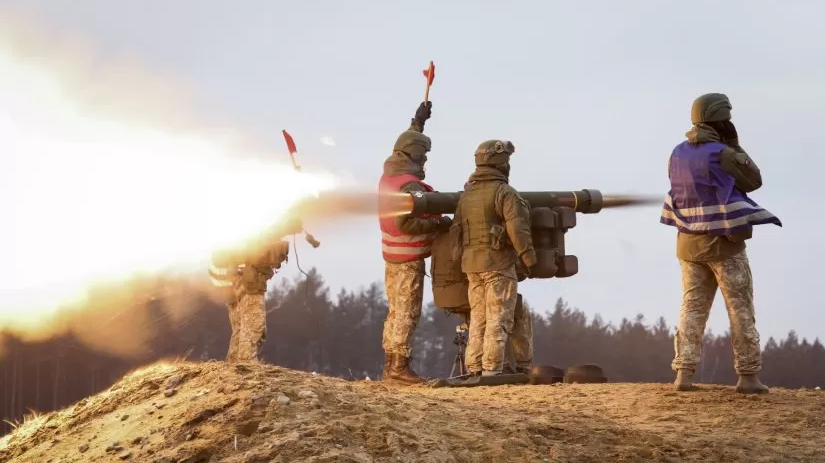
The Lithuanian Ministry of Defence has signed a contract with the Swedish company SAAB for the delivery of Bolide missiles for the portable short-range air defence systems RBS‑70, worth more than 320 million euros. According to the ministry, this contract, together with previous agreements, will ensure continuous supplies of this type of ammunition to the Lithuanian Armed Forces during 2026–2032.
"Strengthening air defence is one of our main priorities"
— Robertas Kaunas, Minister of National Defence of Lithuania
Technical details and delivery package
RBS‑70 is a man-portable system consisting of a tripod, a launcher and a missile. Bolide missiles are designed to engage aerial targets at ranges up to 9 km and are capable of penetrating armour up to 200 mm thick. Lithuania’s choice is explained by ease of maintenance, mobility and effectiveness both day and night.
In addition to Bolide, the procurement package includes recoilless rifles Carl‑Gustaf M4, ammunition for them, disposable rocket launchers AT4 and mobile short-range air defence systems.
Context: budget and strategy
This deal comes against the backdrop of a record defence budget for Lithuania in 2026 — 4.78 billion euros, which is about 5.38% of GDP and 43% higher than in 2025. It signals a heightened priority on protecting airspace and investing in defence resilience.
What this means for the region and Ukraine
First, continuous Bolide deliveries mean Lithuanian air-defence units will have predictable logistics for planning rotations and exercises — an important factor for operational resilience. Second, mobile short-range systems act as a "last line" against drones and attack aircraft — precisely the threats most relevant today across European theatres of conflict.
Regional security experts note that such procurements raise the overall level of collective defence: they not only protect Lithuanian territory but also reduce the risk of escalation by improving control of airspace in border areas.
Conclusion
Technically, this is an enhancement of close-in air-defence capabilities. Strategically, it is a clear signal: the country is investing in tangible defence capacities and laying a logistical foundation for stability for years to come. The next task for partners is to ensure that deliveries and training happen on schedule, because sometimes more depends on the supply calendar than on the contract sum itself.



