Lucerne Transfers 13 Trolleybuses to Zhytomyr — What It Means for Urban Mobility
A Swiss city is giving away used trolleybuses, including three three-section articulated "accordion" vehicles. We break down when they can be expected, which practical issues must be resolved, and why the initiative matters after Zhytomyr rejected an EBRD loan.

By Tetiana Suchkova-Ladik
January 20, 2026 · 2 min read
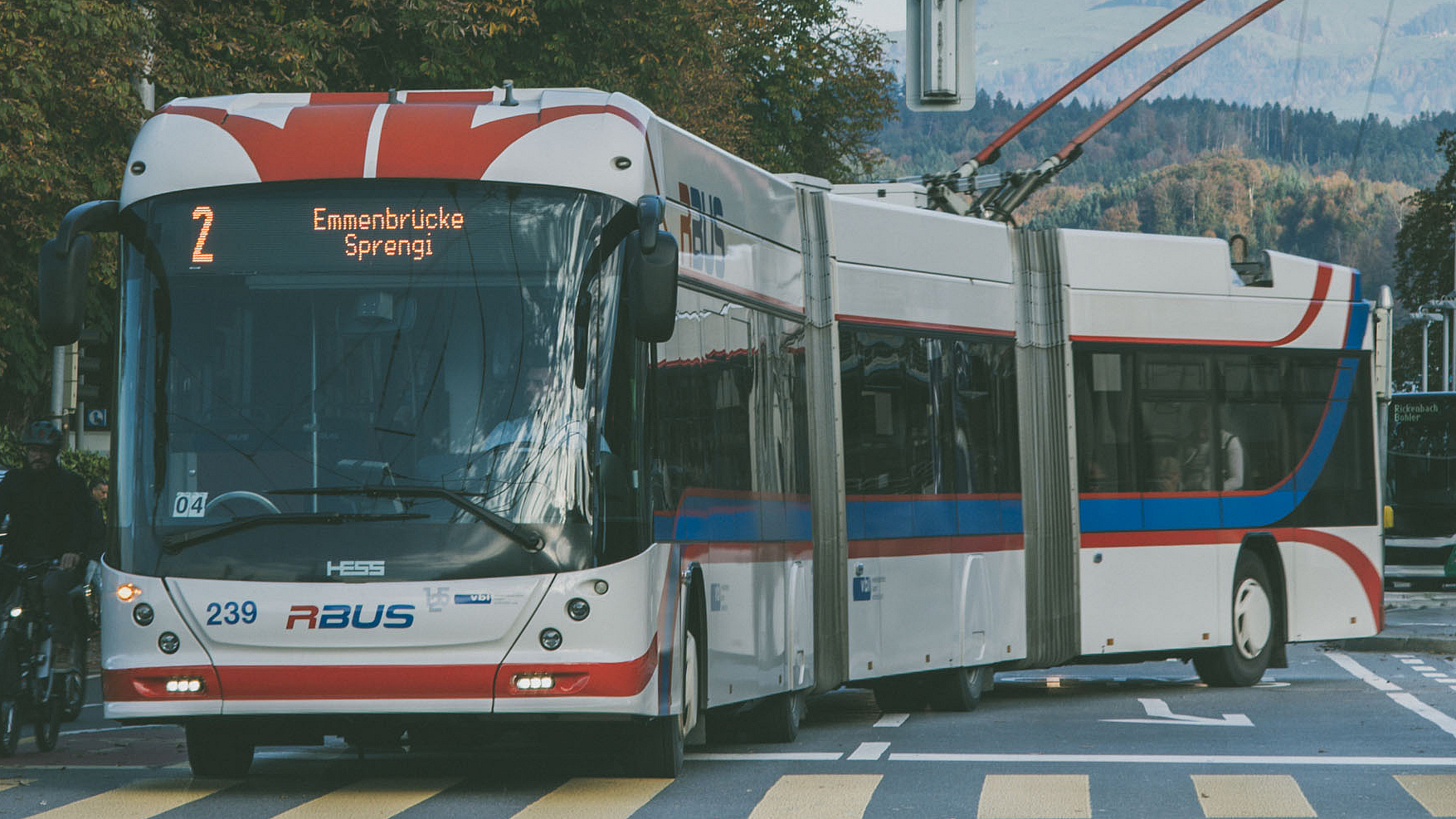
Lucerne — Zhytomyr: the deal in brief
According to Luzerner Zeitung, the Swiss city of Lucerne is to transfer to Ukrainian Zhytomyr 13 used trolleybuses: 10 two-section vehicles 19 meters long and 3 three-section "accordion" vehicles of 25 meters. The initiative is attributed to the Swiss State Secretariat for Economic Affairs (SECO) and the Lucerne city authorities; final contract details are still being agreed.
"We are now preparing the final version of the contract and ironing out the last details."
— Mark Schwegler, representative of transport company VBL
Why it matters: three practical effects
1) Rapid fleet replenishment. For cities that need to restore or expand rolling stock, used vehicles are a realistic way to obtain equipment faster than waiting for long-term deliveries of new trolleybuses.
2) Cost and financial flexibility. This is generally a cheaper option compared with buying new units — an important factor after Zhytomyr declined a loan from the European Bank for Reconstruction and Development for transport renewal at the end of 2025.
3) International cooperation in practice. This is not a one-off gesture: VBL has already transferred rolling stock to Chile, Bulgaria and Congo, providing an example of a model for reusing European equipment in countries with limited resources for modernization.
Timeline and logistics
According to the tender documents, delivery is planned for the period between April 2026 and December 2027. The transfer is possible only after Lucerne receives replacements for its fleet: "Our transport network operates without reserves, so we can hand over the trolleybuses only after we receive replacements," a VBL representative says.
"Our transport network operates without reserves, so we can hand over the trolleybuses only after we receive replacements."
— Mark Schwegler, representative of transport company VBL
Challenges to be addressed
The transfer is only the beginning. Practical implementation will require: adapting depots and ramps to different vehicle lengths, supplying spare parts, training technical staff and integrating with the existing contact network. A possible transfer of a special service vehicle is also envisaged — this would reduce technical risks.
Conclusion: small steps toward sustainable mobility
This is not a radical fleet renewal, but concrete, tangible assistance that strengthens the city's resilience. The next stage is to turn the received units into a stable and economically efficient part of the fleet: fare policy, maintenance resources and delivery logistics will be decisive. Whether this becomes an example of effective international support depends not only on the number of trolleybuses but on how quickly and systematically Zhytomyr and its partners resolve the technical and financial issues.



