IAEA: Degradation of the power grid raises risks to nuclear power plants — major repairs needed
Saturday's cascading failure caused the shutdown of a power unit and an hour-long loss of external power at the Chernobyl NPP. The IAEA warns: without investment and repairs, nuclear safety and the daily energy supply of Ukrainians are at risk.

By Tetiana Suchkova-Ladik
February 6, 2026 · 2 min read
Briefly: why this matters
Saturday's incident in Ukraine's power system led to the automatic shutdown of one reactor unit at a nuclear power plant and a temporary loss of external power at the Chernobyl Nuclear Power Plant, which operated on emergency diesel generators for about an hour. The International Atomic Energy Agency (IAEA) calls these events a signal for large‑scale repairs and increased grid resilience.
What happened on 31 January
The disconnection of cross‑border transmission lines caused cascading voltage fluctuations within the country. One reactor unit went into protective automatic shutdown, others were forced to reduce output. The Chernobyl NPP, which is not producing electricity, completely lost external power and ran on emergency diesel generators for about an hour.
Why this raises risks for nuclear plants
Nuclear power plants critically depend on stable external power for cooling and safety systems. Losses of external power, frequent voltage fluctuations and damaged lines reduce redundancy and increase the likelihood of simultaneous emergency scenarios.
Experts note that emergency diesel generators are designed for limited periods of operation, and repeated switches to emergency modes accelerate equipment wear and complicate the restoration of normal operations.
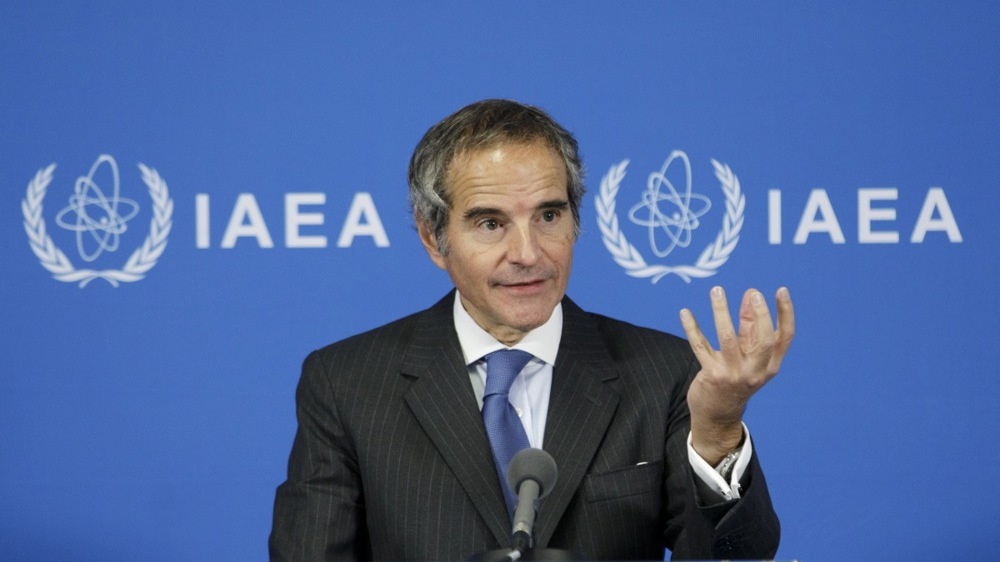
"This latest incident in Ukraine's power system is a stark reminder of the persistent risks to nuclear safety and security arising from the deterioration of the power grid. Large‑scale repair work is needed to improve the reliability of power supply to Ukrainian nuclear power plants and to strengthen their resilience to further grid failures"
— Rafael Mariano Grossi, Director General of the IAEA
Policy and practical steps
On 3 February Foreign Minister Andrii Sybiha announced that Ukraine is initiating amendments to the IAEA Statute aimed at strengthening accountability for undermining the conditions for the safe use of nuclear energy. This is a political effort to elevate the issue to the level of international institutions.
The technical response should include: reconstruction of high‑voltage lines, strengthening backup power for nuclear plants, modernization of diesel units, and transparent international financing of repairs. Analysts stress that without these steps systemic risk will grow.
Conclusion
The 31 January incident is not just an isolated outage but a marker of a systemic problem: worn infrastructure + combat damage = higher risks to nuclear safety and citizens' power supply. Now the ball is in the partners' court: will international statements be turned into concrete repairs and investments on which both safety and everyday life for Ukrainians depend?