Mazepa halts search for a buyer: major residential redevelopment planned on the site of "Kuznya na Rybalskomu" in central Kyiv
A plot in the heart of the capital is changing its script — from resale to long-term development. Why this matters for the city, the market and post‑war recovery.

By Tetiana Suchkova-Ladik
January 6, 2026 · 3 min read
Brief and important
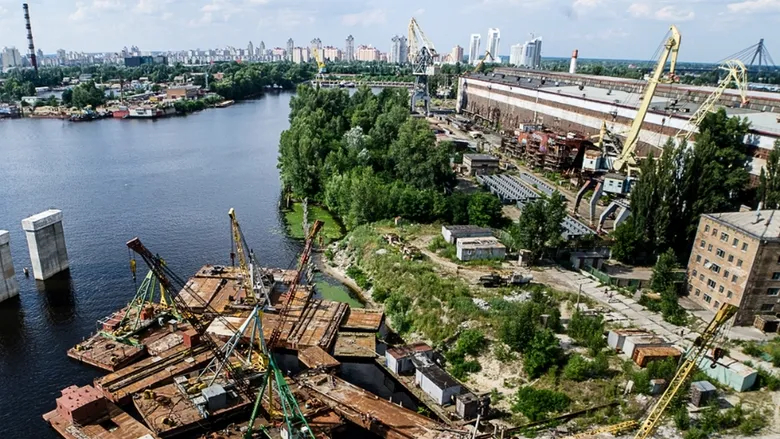
Ihor Mazepa's Concorde Capital is abandoning a quick resale of PJSC "Kuznya on Rybalskyi" and plans to develop the project to build on the plot in central Kyiv itself. LIGA.net reports the change of strategy; the company says it is now seeking international partners for long-term investments after the security situation stabilizes.
What changed
The initial idea was to resell the asset. Now Concorde intends to act as the developer or coordinator of a large urban development project, attracting partners with experience in large-scale urban projects. According to the director of Concorde’s investment-banking department, the primary task is to complete the legal procedures and settle the asset's status.
"The primary task is to complete all legal procedures and settle the status of the asset."
— Ihor Sotnyk, director of the investment-banking department of Concorde Capital (quote LIGA.net)
Why this matters for the city and the market
The plot on Rybalskyi is not just a commercial asset. It is a piece of the urban fabric of Kyiv’s central area; access to it will determine the future appearance of the Dnipro riverfront, transport logistics and residential infrastructure. If the project is implemented thoughtfully, it can add housing space, jobs and investment to the city; if not, it could become yet another problematic development.
Legal and ownership context
According to LIGA.net and decisions of the Antimonopoly Committee (AMCU), in late 2025 the AMCU approved the acquisition by Cyprus-based Avalia Investments (linked to Ihor Mazepa) of control over Ewins Limited, the holding company of "Kuznya". Avalia indirectly obtained control of the plant at the end of 2022; its original aim was a quick resale of the asset.
Ukrainian law allows acquiring a controlling stake without AMCU approval only on condition of reselling it within a year and not participating in management. Avalia failed to sell the asset within the prescribed period, and the AMCU extended the deadlines; later the company was allowed to participate in votes of Ewins Limited’s highest governing body.
Ownership history
- After the 1995 privatization, the main shareholder of the shipyard was JSC "Non-diversified Corporate Investment Fund 'Prime Assets Capital'" (73.9%) — associated with the fifth president Petro Poroshenko; 20.1% was indirectly controlled by Ihor Kononenko.
- In 2018 the stake was sold to Ewins Limited, which was part of Serhiy Tihipko's TAS group; at that time redevelopment of the territory was considered.
- In 2022 Tihipko sold the enterprise, receiving from the previous owners a receivable for $290 million.
What’s next — risks and opportunities
Concorde plans to seek international investors with a horizon of "after the security situation stabilizes." That means the project will depend on two factors — the quality of planning and the willingness of the state and the city to agree on infrastructure conditions. Real estate market experts emphasize that large central plots grow in value best through transparent procedures and public planning, not through backroom deals.
Conclusion
The shift from a quick-resale strategy to a developer model makes "Kuznya on Rybalskyi" an important indicator of the restoration of investment confidence in Ukraine. The key question now is whether business, city authorities and the community can agree on a shared development standard that will combine housing, infrastructure and preservation of urban space. Whether Rybalskyi will become an example of responsible urban transformation remains an open question — and it concerns every resident of Kyiv.



