Mbappé wins €61m from PSG — a precedent for contracts and the transfer market
A Paris tribunal has ordered the club to pay about €61 million to Kylian Mbappé. We explain why the ruling matters for clubs' finances, players' rights, and what lessons Ukrainian football should draw.
By Oleg Bazylewicz
December 16, 2025 · 2 min read
What happened
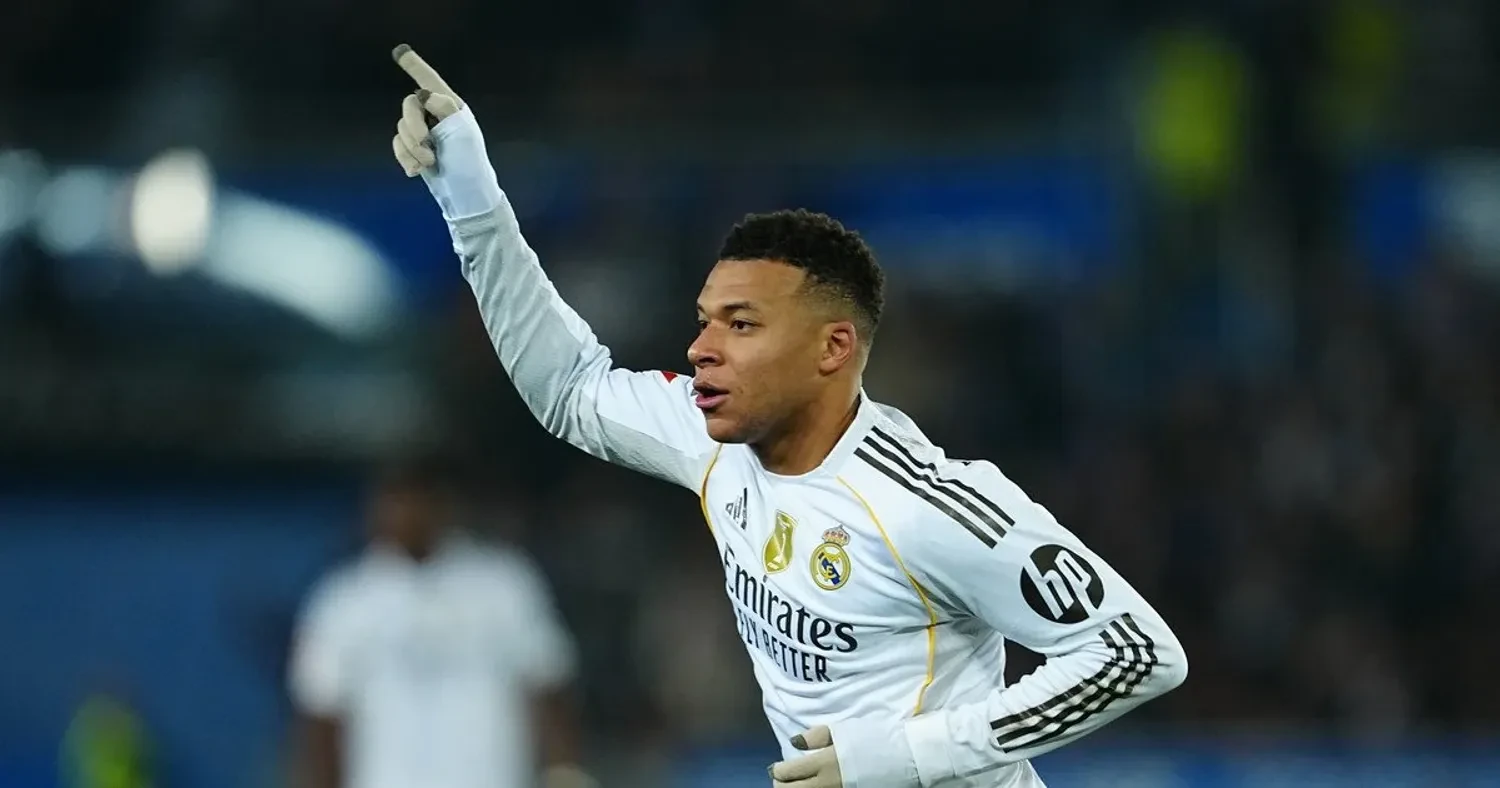
The Paris labour disputes tribunal on Tuesday ordered Paris Saint-Germain to pay Kylian Mbappé about €61 million in unpaid bonuses and salary, Bloomberg reports reprinted by UNN. The ruling concerns the period at the end of his contract with the club and has consequences broader than simple compensation.
How much and for what
According to the court decision, the sum consists of a €40 million signing bonus and over €20 million in outstanding salary and an "ethical bonus" for the last three months spent at the club. Mbappé demanded about €240 million, citing the circumstances of the contract's termination, but the court granted the claim only partially.
Background
The conflict between the parties escalated in 2023, when the player refused to extend his contract with PSG and rejected a record offer from Saudi Arabia. In the summer of 2024 Mbappé moved to Real Madrid as a free agent — without transfer compensation for the Parisians. Notably, after his departure PSG won the Champions League, which added emotional strain to the dispute.
"The organisation 'acted in good faith and honestly throughout the entire process'."
— Representatives of Paris Saint-Germain, official statement
Why it matters
This decision is not just an accounting payment. It reinforces the idea that even the richest clubs must be held accountable for contractual obligations. The court showed that part of the player's claims was not fully substantiated, but there were sufficient grounds for payment. For the market, this means a strengthened role for legal support in deals and increased attention to mechanisms for recording bonuses and the conditions for contract termination.
Implications for Ukrainian football
For clubs and players in Ukraine this case is a practical reminder: clear contracts, transparent payment mechanisms and a readiness to defend one's rights in courts are key to protecting both assets and reputation. As international precedents raise the bar of legal responsibility, local clubs also need to adapt their contracting and communication standards with players.
What to expect next
PSG said it will comply with the tribunal's decision but is considering an appeal. If the verdict stands, the club will have to reflect these payments in its financial reports and strengthen internal procedures to avoid similar disputes in the future. For players and agents this is a reminder: rights can be defended — institutions work even in elite football.
Sources: Bloomberg (reprint by UNN), official statement by Paris Saint-Germain.



