McDonald's returns to Mykolaiv — signaling infrastructure recovery and creating more than 100 jobs
The restaurant opened on March 27 after consistent water-quality audits. This is not just the opening of a café — it is a marker of the restoration of water supply, logistics and local employment.

By Tetiana Suchkova-Ladik
March 27, 2026 · 2 min read
Briefly: why it matters
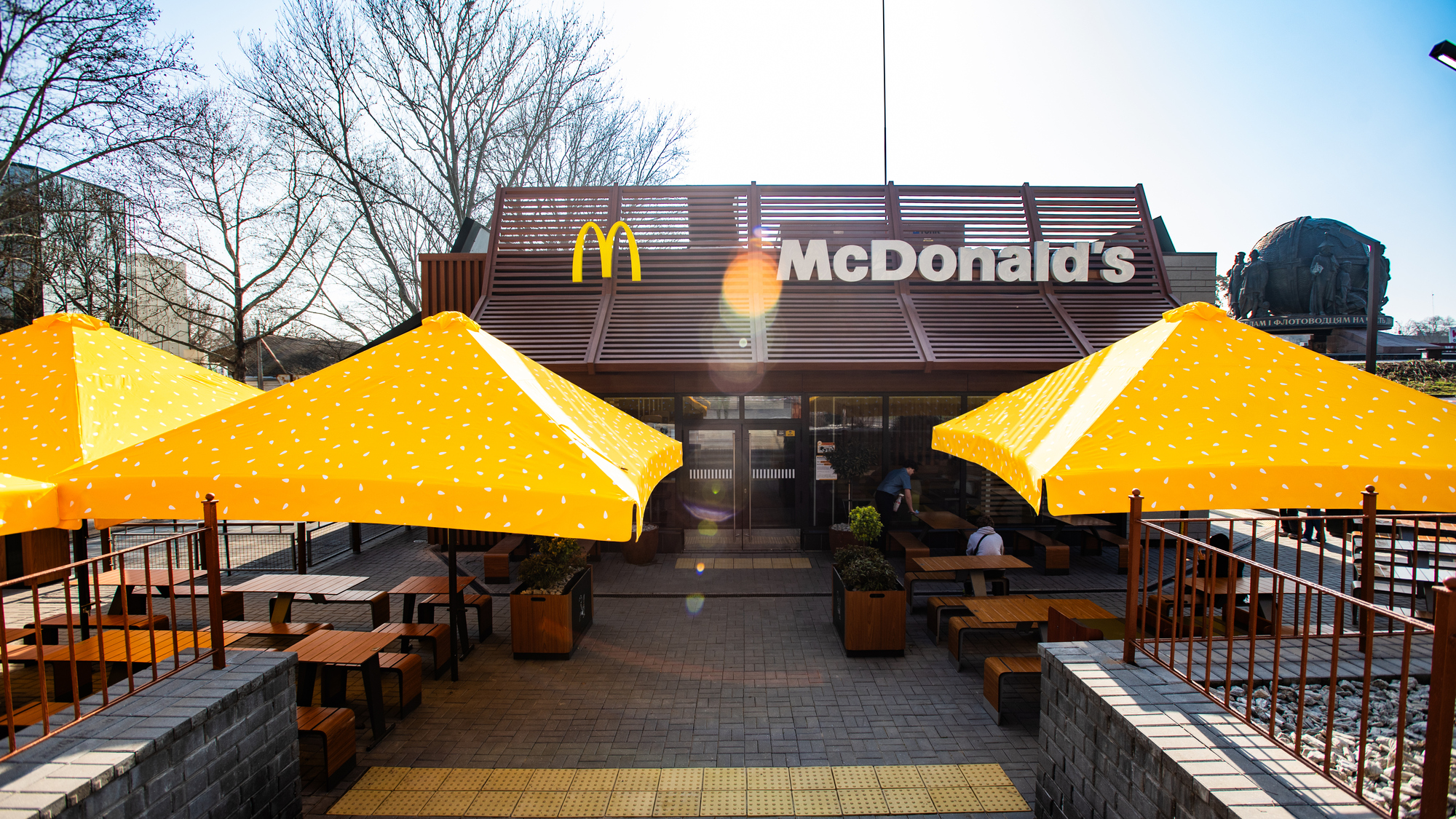
On March 27 a McDonald's restaurant resumed operations in Mykolaiv — the first after a four-year hiatus. According to the company's press service, the opening was possible only after stable water quality audits confirmed compliance with the chain's standards. For the city this is more than fast food: it's a signal of the restoration of critical infrastructure and the return of jobs.
What happened
McDonald's officially announced that the restaurant in the city began operating on March 27. The reopening was delayed due to water problems that worsened after the destruction of the Kakhovka Hydroelectric Power Plant; after construction of a new water pipeline and a series of checks, the company decided to open the outlet.
"The restaurant in Mykolaiv was supposed to open much earlier — shortly after the reopening of outlets in Odesa in 2023. But after the destruction of the Kakhovka Hydroelectric Power Plant a difficult water situation arose in the city, and we could not resume operations until conditions met our safety and quality standards. After the construction of the new water pipeline and stable results from all water quality audits, we can finally operate again in Mykolaiv"
— Yuliia Badritdinova, Chief Executive Officer of McDonald's in Ukraine, the Czech Republic and Slovakia
Practical details
The restaurant will operate daily from 07:00 to 23:00, and the McDrive service from 05:00 to 23:30. Available options: mobile ordering through the app, a limited menu for the first two weeks (no breakfasts) and delivery expected to be introduced in about two weeks. The reopening created more than 100 jobs; this outlet became the 125th restaurant in the network in Ukraine.
Context and consequences
The return of McDonald's is a social and economic indicator. First, confirmation of water quality means that one of the key elements of the city's infrastructure is being restored to the standards required by businesses with international safety requirements. Second, it signals the restoration of supply chains and the network's ability to invest in regions during wartime: in 2025 alone the chain opened 12 restaurants in Ukraine, the most in Lviv.
What's next?
This opening does not solve all of Mykolaiv's problems, but it brings practical benefits: jobs, demand for local services and additional tax revenue. For partners and residents it is also a test — whether other businesses will be able to return once basic infrastructure is restored. A rhetorical question to local and central authorities: how can this momentum be used to accelerate the restoration of other critically important systems?



