Merz Urges Reconsideration of 2035 Ban on Internal-Combustion Engines
Chancellor Friedrich Merz will send a letter to Ursula von der Leyen asking her to review the part of the Fit for 55 regulation that bans the sale of new cars with internal combustion engines after 2035 and to allow hybrids, range‑extenders and "high‑efficiency" engines. The European Commission is set to present proposals on 10 December.

By Oleg Bazylewicz
November 28, 2025 · 1 min read
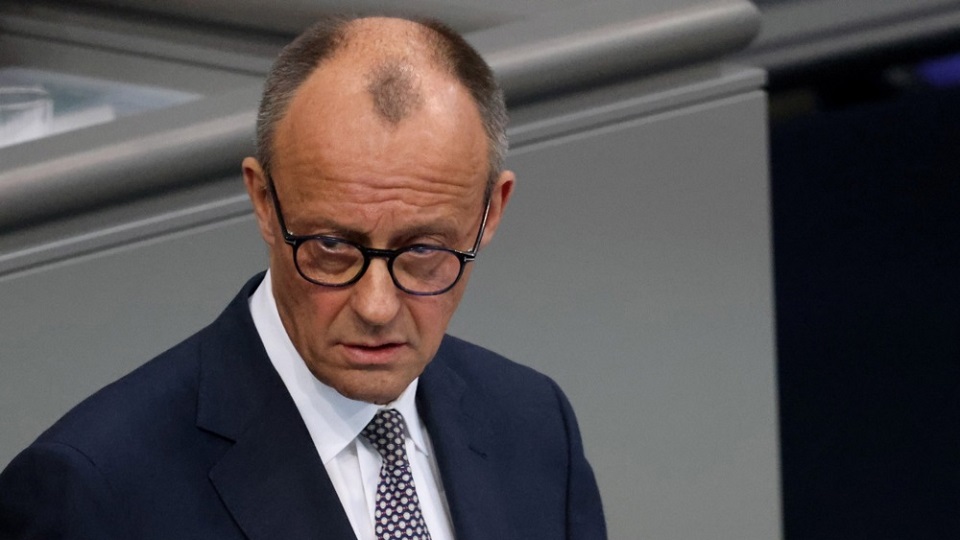
German Chancellor Friedrich Merz plans to send a letter to European Commission President Ursula von der Leyen demanding a review of the rule banning the sale of new cars with internal combustion engines after 2035.
"I ask the Commission to review the EU rules on cars as a key step in setting the course for Europe's future as a centre of car manufacturing"
– Friedrich Merz
Proposals for the auto industry
Merz intends to push for the allowance not only of fully electric models but also of cars with combined powertrains: plug‑in hybrids, range‑extended electric vehicles (range‑extender) and so‑called "high‑efficiency" internal combustion engines (ICEs). According to him, such steps would give manufacturers more room for innovation and help preserve the competitiveness of Germany's automotive industry.
Regulation and timeline
Under the current Fit for 55 regulation, from 2035 all new passenger cars and light commercial vehicles in the EU must be climate‑neutral, which effectively bans conventional ICEs. An exception is provided for cars running on CO₂‑neutral synthetic fuels (e‑fuels); such cars could be sold after 2035 subject to separate certification.
Under pressure from industry and some member states, the European Commission announced its intention to review the regulation's provisions; the Commission is expected to publish its proposals on 10 December.
- In August 2025 the European Automobile Manufacturers' Association (ACEA) and the European Association of Automotive Suppliers (CLEPA) warned the European Commission that the established CO₂ emissions targets are unrealistic.