Metinvest buys pipe plant in Romania — how it strengthens Zaporizhstal’s supply chain
Rinat Akhmetov’s group has completed the acquisition of ArcelorMittal Tubular Products Iași — a move that could secure stable supplies of hot-rolled coil and strengthen industrial integration with the EU.

By Tetiana Suchkova-Ladik
December 17, 2025 · 2 min read
What happened
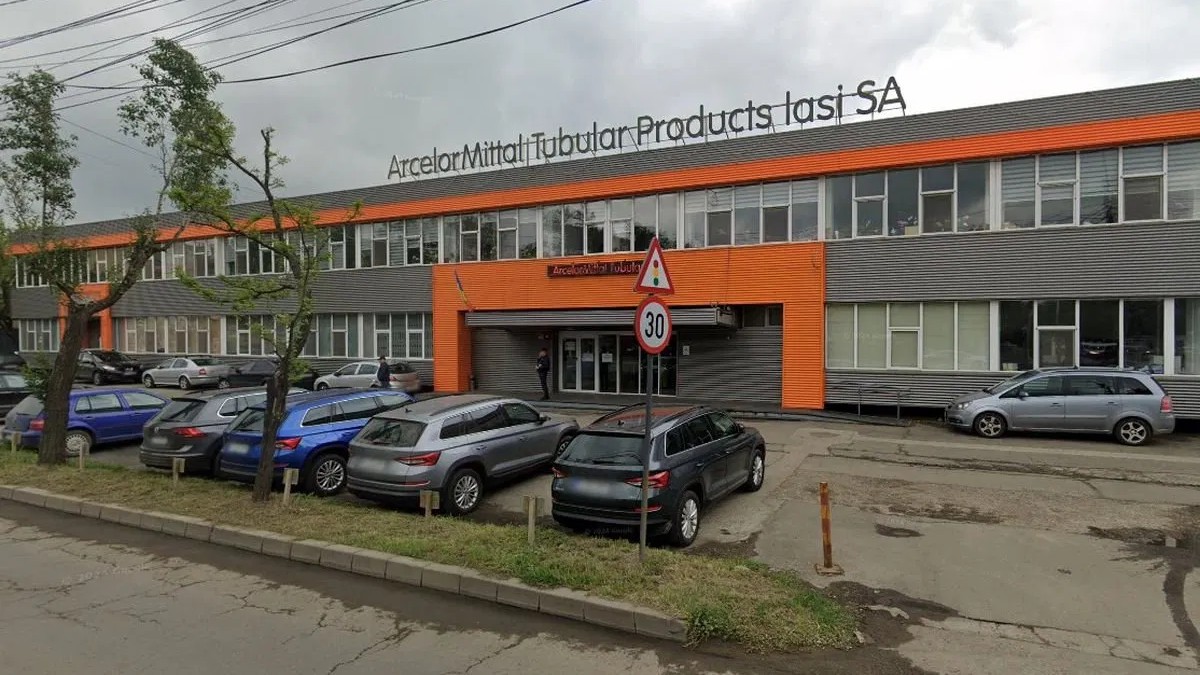
On 16 December the Metinvest group completed the deal to acquire the ArcelorMittal Tubular Products Iași pipe plant in the Romanian city of Iași, the company's press service reported. The plant produces welded structural pipes for construction, engineering, infrastructure and the agricultural sector; maximum capacity is 240,000 tonnes per year.
Why this matters for Ukraine
The plant is located approximately 600 km from Zaporizhzhia, which provides practical logistical advantages: Metinvest plans to supply up to 180,000 tonnes of hot-rolled coil annually from Zaporizhstal. For Ukrainian industry this is a way to secure sales markets in the EU and reduce risks related to logistics disruptions and export barriers.
How it will work in practice
The facility has five tube mills, two longitudinal cutting lines and two coating lines. Metinvest plans to feed the plant with its own hot-rolled coil, which will allow it to simultaneously support production in Iași and operations at Zaporizhstal — an effect the company describes as a direct "synergy" between the sites.
"The new plant for us is an opportunity to provide work to two enterprises at once – in Iași and Zaporizhzhia."
— Yuriy Ryzhenkov, CEO of Metinvest
"The location of the asset in Romania – just 600 km from Zaporizhzhia – allows us to supply up to 180,000 tonnes of hot-rolled coil produced by Zaporizhstal each year."
— Oleksandr Myronenko, COO of Metinvest
Context and implications
The deal comes against the backdrop of other strategic moves by Metinvest: at the beginning of 2025 the company signed a shareholder agreement with Danieli on a green steel plant in Italy, while the group announced its intention to sell the US-based United Coal. Together, these decisions indicate a strategy of market diversification, portfolio optimisation and enhanced competitiveness in the European market.
Summary
This is not just the purchase of a plant — it is a step toward stabilising industrial chains and strengthening ties between Ukrainian production and EU markets. Metinvest's next task is to turn the asset into a long-term competitive advantage: regular orders, jobs and resilient export logistics.



