Ministry of Economy expands list of agricultural machinery: 25% compensation — who gets it and what it means for the local economy
The seventh update of 2025 adds 216 entries and five Ukrainian factories. We examine who will actually receive support, how the changes will affect production, and whether this is enough to rebuild the agricultural sector during the war.

By Tetiana Suchkova-Ladik
December 17, 2025 · 2 min read
Briefly — the main points
The Ministry of Economy has updated the list of Ukrainian agricultural machinery and equipment eligible for a 25% compensation from the state (excluding VAT). This is the seventh update of the list in 2025: it adds 216 new items and five manufacturers — bringing the list to 14,425 positions from 166 domestic enterprises.
What exactly was added
For the first time, products from the following factories have been included:
- Kharkiv Tractor Engineering (Kharkiv Oblast)
- TYREGOD UKRAINE (Lviv Oblast)
- AGRIKON-PIVDEN (Lviv city)
- Ventilator Factory UKRVENTSYSTEMY (Kharkiv)
- ARPAL (Vinnytsia Oblast)
The list of models from companies already participating in the program has also been expanded — notably significant additions from CherkasyElevatormash (62 positions), VELES-AGRO LTD (37 positions) and a number of other manufacturers.
“The update of the list aims to expand producers’ access to domestic equipment and support local manufacturing in conditions of an increased need for self-sufficiency,”
— press service of the Ministry of Economy
Why it matters — the rationale for the decision
This program is not about one-off subsidies but about stimulating investment in modernization and localization. The requirement for a confirmed localization level of 60% pushes suppliers to carry out part of production in Ukraine, which in turn creates jobs and reduces dependence on imported critical components.
Who should pay attention
The right to compensation belongs to agricultural producers registered in the State Agrarian Register (DAR) — this requirement came into effect after changes in April 2025. Certain technical groups (combine harvesters, tractors, self-propelled sprayers and grain carriers) are subject to additional conditions — these should be checked individually at the time of purchase.
Economic dimension: numbers that serve as social proof
According to the ministry, in 2024 the program financed the purchase of 5,311 units of equipment totaling more than UAH 4.2 billion, of which the state compensated about UAH 877 million. These figures show that the mechanism works: the state is already spending funds on sector modernization, and factories are receiving demand for their products.
Dealers and availability
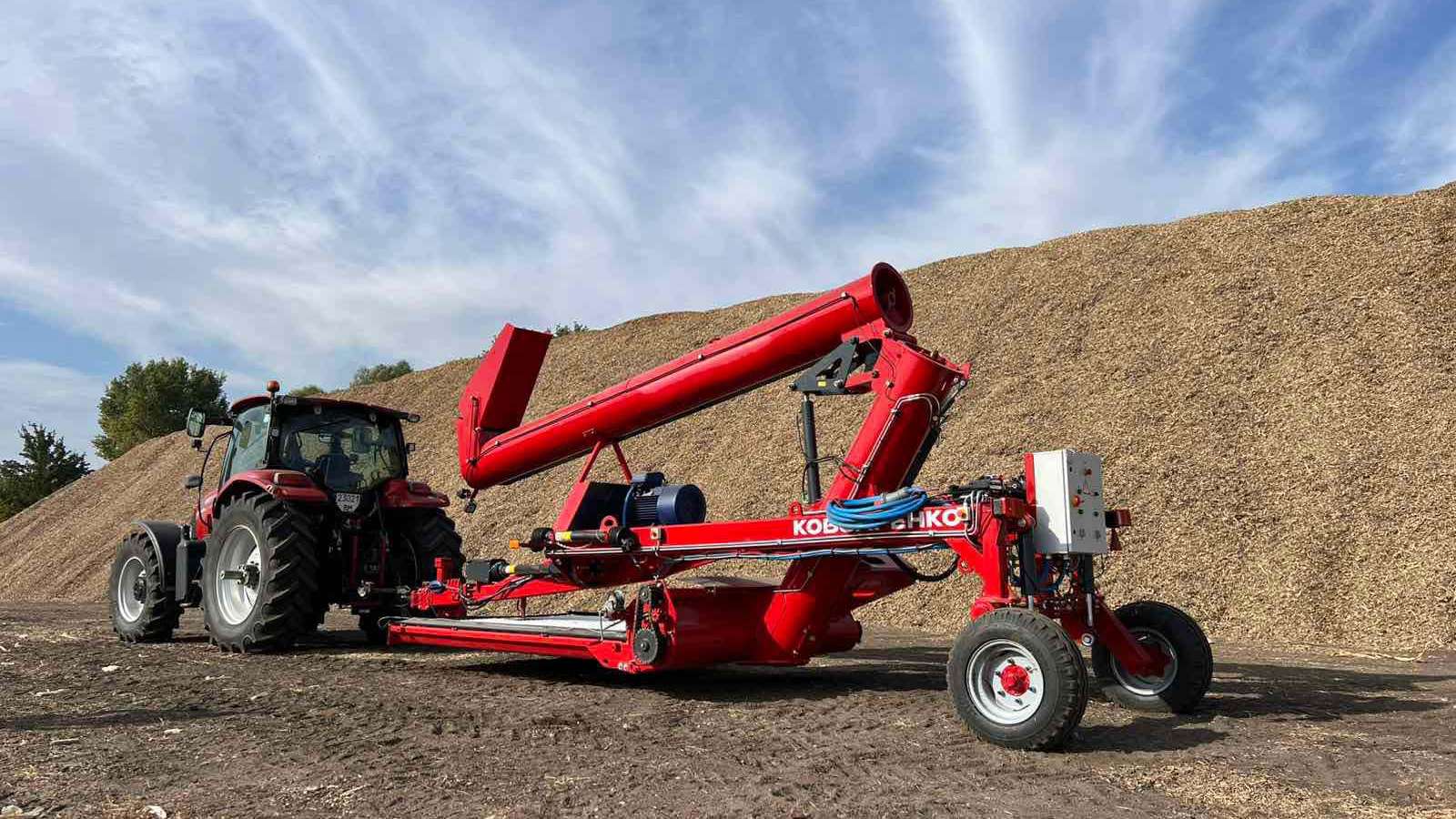
The Ministry of Economy also expanded the list of official dealers through whom equipment eligible for compensation can be purchased, adding representatives from the Lozivskyi Forging-Mechanical Plant, LLC “KOMPLEKS”, the Kobzarenko plant and others. This reduces logistical barriers and makes the purchase process more transparent for farmers.
What this means in practice — forecast
First, agricultural producers who complete registration in DAR and use the compensation will be able to renew their equipment fleets with lower upfront costs. Second, adding manufacturers and models stimulates competition within the market — and competition typically lowers prices and raises quality. Third, the localization requirement enhances the resilience of production chains — an important factor in wartime and during economic reconstruction.
What farmers should pay attention to now
Check whether you are registered in DAR; clarify with the dealer the level of localization of the specific model; compare the list of official representatives in your region to avoid fraud; calculate total costs taking the compensation into account (25% excluding VAT).
Conclusion
The list update is a pragmatic step that combines support for agricultural producers with incentives for domestic factories. The next stage is to turn these declarations into concrete orders and investments so the effect is long-term rather than a temporary demand boost.



