MOL agrees to buy 56.15% of NIS: what it means for Balkan energy
A Hungarian company has signed a preliminary agreement with Gazprom Neft for the controlling stake in NIS — the deal depends on approval from OFAC and Serbian regulators. We examine the risks and opportunities this poses for regional energy security.

By Tetiana Suchkova-Ladik
January 19, 2026 · 2 min read
Briefly about the deal
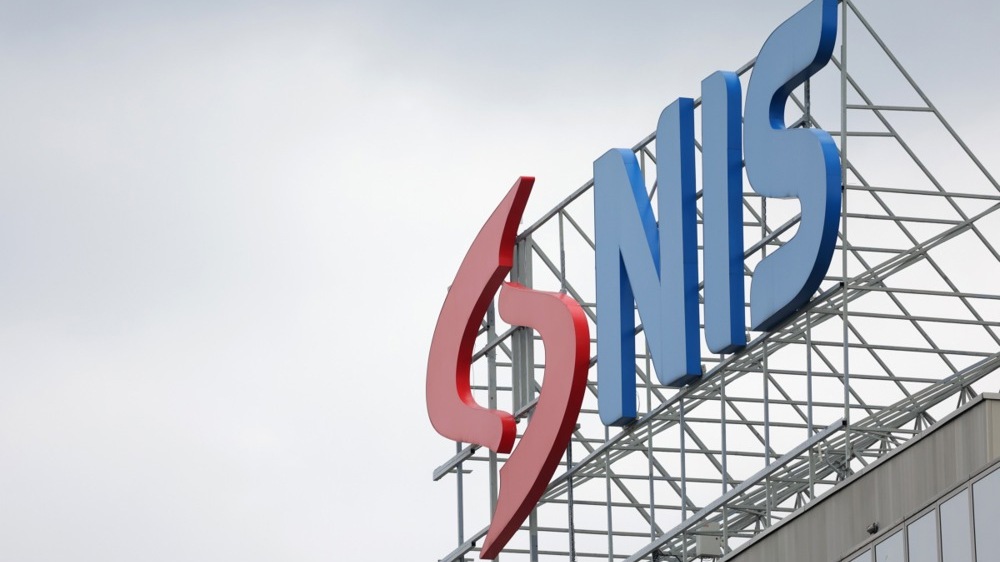
MOL has signed a binding preliminary agreement with Russia's Gazprom Neft to acquire 56.15% of the shares of the Serbian oil company NIS. The announcement was made on Monday, January 19. The preliminary agreement fixes the key terms, specifies deadlines for carrying out a comprehensive review (due diligence) and provides for the signing of the final agreement by March 31, 2026.
"The energy sovereignty of landlocked countries requires the cooperation of strong local refineries that operate predictably and successfully, as well as the involvement of reliable partners."
— Zsolt Hernádi, chairman of the board of MOL
Who else is involved
MOL is negotiating with ADNOC (the UAE's national oil company) about entering as a minority investor while retaining the controlling stake. In the Serbian portion of ownership the state holds about 29.87%, and the share currently controlled by structures linked to Russia totals 56.15% (44.85% + 11.3%).
Legal barriers: OFAC and Serbian regulators
Completion of the transaction depends on approval from the U.S. Office of Foreign Assets Control (OFAC) and a number of national and regional authorities in Serbia. OFAC has already extended the license allowing the parties to negotiate the sale of the Russian-held portion of NIS until March 24. This provides a time window for agreements but does not guarantee final approval.
Political signals and safeguard mechanisms
In November 2025 the United States stated that sanctions on NIS would be lifted only after Russian entities have fully exited the company's capital. On November 26 the Serbian government prepared a budget amendment for 2026 that, in theory, allows for the nationalization of NIS if necessary — this remains a political instrument of pressure and a guarantee for the domestic audience.
"Serbia is on a good path to increase its ownership stake by 5%, and an oil company from the UAE could also receive a stake if the deal is closed."
— Dubravka Djedović-Handanović, Serbia's minister of energy
What this means for the region (and for Ukraine)
If the transaction goes through, it will reduce the direct Russian presence in NIS's ownership structure and could stabilize the operation of the Pančevo refinery, which MOL has guaranteed will remain in operation. For countries in the region, it's a chance for greater diversification of supplies and investment activity. For Ukraine, a reduction in Russian control in the region is a positive signal, but real changes should be expected only after the final closing of the deal and verification of guarantees of the company's managerial independence.
Conclusion
The preliminary agreement is an important step, but the keys are in the hands of regulators: OFAC, Serbian authorities and political stakeholders. Now the question is less about business intentions and more about legal and political implementation: will these guarantees translate into a real change in the ownership structure and a reduction of Russian influence in the Balkans' energy sector?



