Moldova readmits Ukrainian chicken after 50 days — first company passed EU inspection
After laboratory confirmation in the EU, a Ukrainian exporter is resuming shipments to Moldova. We explain why this is an important signal for the market, for confidence in Ukrainian agri‑food products, and for trade stability.

By Tetiana Suchkova-Ladik
March 16, 2026 · 2 min read
Return to the market: what happened
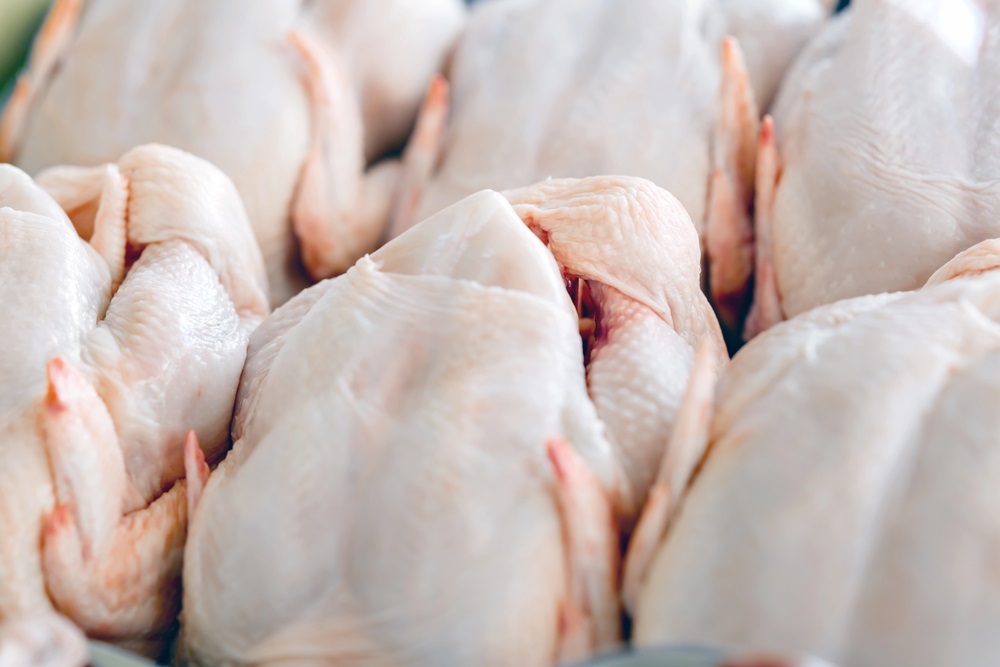
Moldova allowed the import of frozen and chilled poultry meat from one Ukrainian producer authorized to export to the EU. The decision was made after a European Union laboratory confirmed that the products meet safety requirements, the State Service of Ukraine for Food Safety and Consumer Protection reported.
Why it matters
This is not just the restoration of a single supply chain. A positive finding from a European laboratory is a strong signal of trust that could speed up the restoration of market access for other Ukrainian producers to Moldova. For exporters, it is a matter of revenue and maintaining positions in a neighboring country; for consumers, it is a guarantee of food safety.
Background and context
On 26 January 2026, Moldova suspended imports of Ukrainian poultry after metronidazole was found in feed at one Moldovan farm — an incident that led to the destruction of more than 100,000 chickens. The Ukrainian side consistently insisted that the case was not systemic: traces of the substance were found in only one feed sample, and the meat itself meets safety standards.
Policy and reputation: how the state is responding
State reforms are also working to build market confidence. In December 2025 the Verkhovna Rada passed a law permanently banning the use of antibiotics for growth promotion in animals (except in exceptional clinical cases), as well as banning the use of antimicrobials reserved for treating humans. This is an important argument in negotiations and in EU expert assessments.
Next steps and risks
Full restoration of exports to Moldova depends on the results of additional checks and on agreeing procedures with the Moldovan side. Ukraine has already warned of possible trade measures in response — for example, regarding imports of Moldovan wine — so policy will combine technical procedures with economic diplomacy.
"The next step is to restore exports to Moldova for other Ukrainian producers, on which the State Service is already working together with ANSA (the Moldovan Agency for Food Safety. — Ed.)"
— State Service of Ukraine for Food Safety and Consumer Protection
What next?
In the short term — this is cautiously positive for the sector: one approval has been restored, the procedure is being worked out, and controls are being strengthened. The medium and long-term outlook depends on how quickly other producers pass inspections and how effectively diplomats turn technical results into durable trade solutions. For consumers, the most important things are transparent tests and independent confirmations of safety, which reduce risks and strengthen the reputation of Ukrainian food exports.



