Moldova Exits Energy Emergency: Line Destroyed by Russian Drones Restored in Five Days
Moldova's Parliament voted to cancel the 30-day energy emergency after Ukraine restored the 400 kV Isaccea-Vulcanesti power line damaged in a March attack. The heightened readiness regime remains in effect.

By Tetiana Suchkova-Ladik
April 24, 2026 · 2 min read
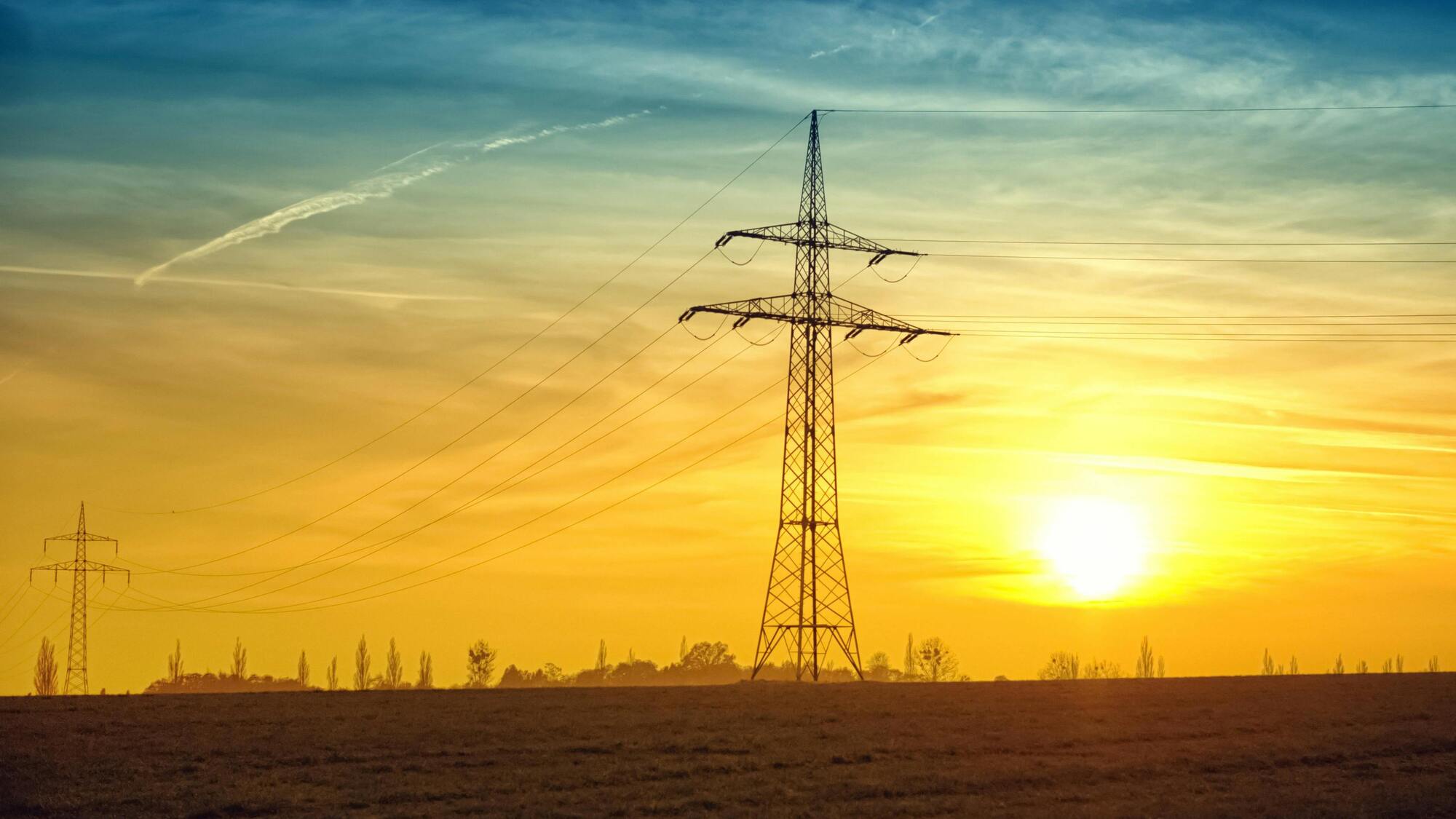
On the evening of March 23, around 19:15, residents of Chisinau noticed the lights flicker and then go out for a moment. The next morning, Moldova's energy ministry confirmed: Russian strikes on energy infrastructure in southern Ukraine damaged the 400 kV Isaccea-Vulcanesti power line — the only route at that time for importing electricity from Romania and the EU.
A strike on a bottleneck
The attack was carried out using Shahed-type kamikaze drones. According to Moldova's Foreign Ministry, the strikes destroyed high-voltage wires on the line that provides about 600 MW to cover Moldova's energy system deficit. Moldelectrica warned: the system entered a vulnerable operating mode, and the reserve for maneuvering in case of new failures disappeared.
In parallel, a second threat emerged — the fuel market. The government imposed a state of emergency for 60 days to obtain legal instruments for emergency electricity purchases and to prevent fuel shortages.
Five days — and the line is back online
Recovery turned out to be faster than expected. On March 28, Moldova's energy ministry announced: the Ukrainian side completed the work and tested the line under load.
"The interconnector capacity has been restored, and the reliability of electricity supply has been confirmed under conditions of safety and stability."
Moldova's Energy Ministry, March 28
According to Prime Minister Ion Aleksandru Munteanu, the work was carried out using expedited procedures — without the usual tender delays, which would only have been possible under a state of emergency.
Cancellation — but not a return to normal
On April 25, the state of emergency will end. Parliament supported its cancellation with 69 votes out of 101. However, as Munteanu emphasized, the government is not returning to normal mode: a heightened alert regime is being introduced with daily monitoring of reserves and the ability to respond operatively.
- The Isaccea-Vulcanesti line is currently the only direct connection between Moldova and the European energy network.
- The Vulcanesti-Chisinau line is under construction and was supposed to be ready by the end of 2025 — it would allow an increase in import capacity and reduce dependence on a single corridor.
- Moldova condemned the attacks as a strike on "critical civilian infrastructure" and reaffirmed its support for Ukraine.
The March incident clearly demonstrated a structural vulnerability: the entire electricity import of the country passes through a single physical facility on foreign territory, where recovery work depends on the security situation in the combat zone.
If the Vulcanesti-Chisinau line is completed on schedule, the next strike on Isaccea-Vulcanesti will no longer have such consequences — but until it is commissioned, Moldova remains hostage to a single wire.



