Meat Business, Village Council and 36 Million "Extra" Hryvnias: How a Declaration Stopped a Former Deputy at the Border
A former deputy of Ivaniv village council in Vinnytsia region, owner of "Podillia-myaso" company, purchased assets worth 42 million hryvnias despite officially declaring income of only 5.3 million — and attempted to flee to Poland while the National Agency on Corruption Prevention had already submitted materials to police.

By Tetiana Suchkova-Ladik
May 15, 2026 · 3 min read
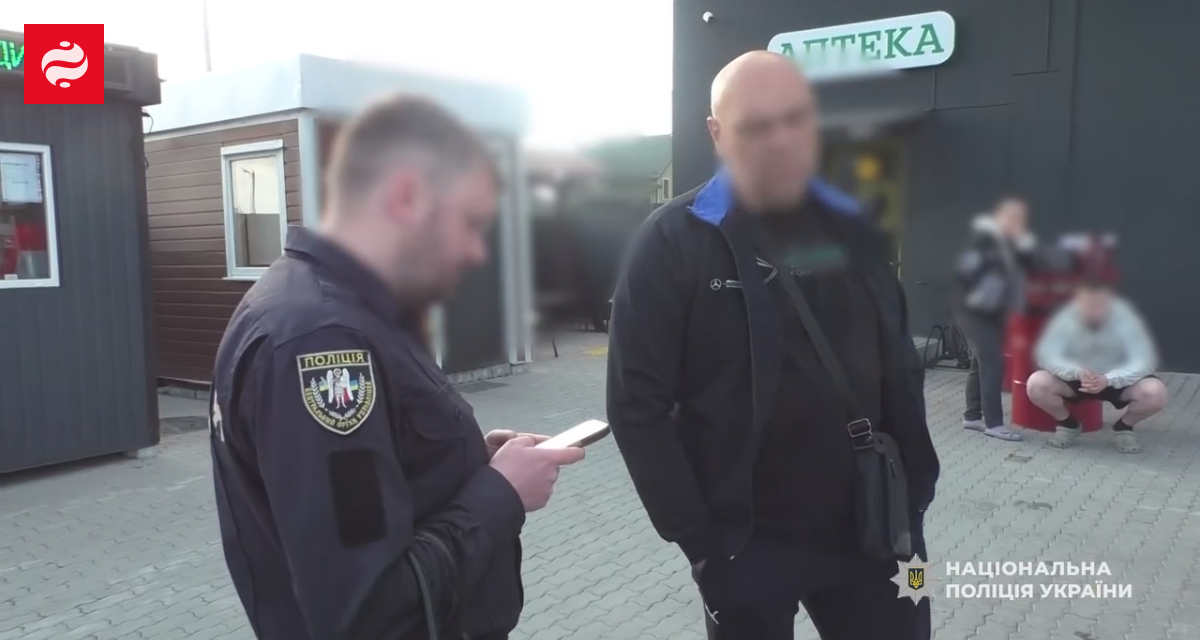
He was not detained in an office or at home — but near the state border. A former deputy of the Ivanivska village council of Khmilnytsky district in Vinnytsia region, owner of the meat processing company "Podillia-Miaso", suspected of illegal enrichment of over 36 million hryvnias, was attempting to leave for Poland. Law enforcement managed to detain him — a joint operation by the Office of the Prosecutor General and the Strategic Investigations Department of the National Police.
What was found in the declaration
The proceedings grew out of a routine inspection. The NAPC checked the declaration of a person identified in the registry as Kulyk O. L. for 2022 — and discovered a gap between official income and actual property. According to agency representatives, the declarant did not list a land plot and a non-residential building in joint ownership. The total amount of purchased property — 42 million hryvnias, official income for the same year — 5.3 million hryvnias. The difference of 36.7 million hryvnias became the basis for conclusions about signs of illegal enrichment.
"Well-founded conclusions were sent to the National Police"
National Agency on Corruption Prevention
Separately, the NAPC recorded signs of false information in the declaration for over 31.8 million hryvnias. That is, this concerns not only that property was purchased with unknown funds — some assets were simply not listed in the report.
Why this is not an ordinary case
A village council deputy is not a state official with access to budget flows in the billions. But it is precisely this level of government — village councils, district deputies, heads of small enterprises — that traditionally remains outside the scope of public anti-corruption investigations. The case in Vinnytsia shows: the NAPC systematically checks this level as well, not just high-profile capital cases.
According to the NAPC itself, in just the first three months of 2026, the agency identified violations in declarations for over 1 billion hryvnias — and among the subjects again is a village council deputy from Vinnytsia region with signs of illegal enrichment of 10 million hryvnias. Vinnytsia consistently ranks among the worst in this indicator.
Logic of flight
An attempt to leave for Poland is not a unique tactic. After the NAPC transfers materials to law enforcement agencies and a criminal investigation is initiated, the suspect receives a certain window of time before a suspicion is announced or a preventive measure is chosen. It is within this window that some subjects attempt to leave the country. In this case, the window was closed before the person crossed the border.
- Suspicion: illegal enrichment of over 36 million hryvnias
- Property in declaration: 42 million hryvnias with an income of 5.3 million hryvnias
- Not declared: land plot and non-residential building
- Materials: NAPC → National Police → criminal investigation → detention
If the court chooses a preventive measure in the form of custody — the case will move to a stage where proving the origin of funds will become key, rather than the fact of the gap in the declaration. It is here that such proceedings in Ukraine most often stall: proving that the difference between income and property is specifically illegal enrichment, rather than, for example, "a gift from relatives," is significantly more difficult than documenting it in the NAPC table.



