Naftogaz launches route via Klaipėda: Amber Gas Corridor strengthens Ukraine's energy resilience
The delivery of U.S. LNG through the Lithuanian terminal is not an emotional gesture but a practical step toward diversifying supplies. We examine how this will affect supply security and the gas market in wartime.

By Tetiana Suchkova-Ladik
February 26, 2026 · 2 min read
What happened
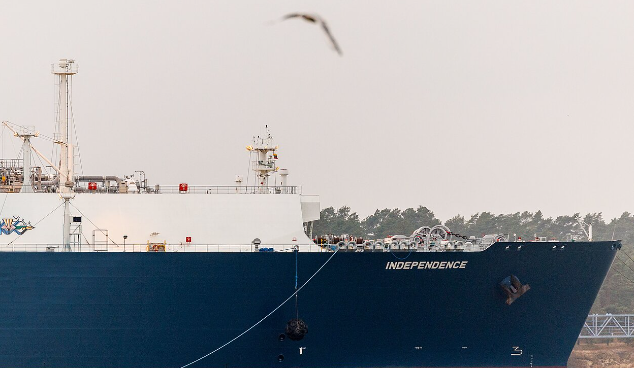
The Naftogaz Group has opened a new route for importing gas to Ukraine via the Lithuanian LNG terminal in Klaipėda, the company’s press service reported. 90 million cubic meters of U.S. liquefied natural gas were delivered to Lithuania in cooperation with the energy holding Ignitis Group. Naftogaz will independently handle further transportation through the end of March.
The company also said that up to 300 million cubic meters of U.S. LNG have been contracted for Ukraine for the first quarter of 2026. Besides Klaipėda, the main import route remains the Polish terminal in Świnoujście. In addition, the first gas from a new supplier in Greece is expected in March 2026.
"This is another step in diversifying Ukraine's gas supply routes"
— Serhiy Koretskyi, chairman of the board of NJSC "Naftogaz of Ukraine"
Why this matters
In fact, this is not just a new logistics chain. Diversifying routes reduces risks related to physical strikes against infrastructure and dependence on a single import hub. In the context of military threats, even relatively small volumes of LNG can solve critical tasks — from stabilizing the market to keeping thermal power plants and CHP stations running.
LNG market analysts note: the emergence of alternative routes improves Ukraine's negotiating position and allows more flexible responses to price fluctuations. For the end consumer this is not an instant tariff cut, but increased energy resilience is a clear economic and security benefit.
How the "Amber Gas Corridor" works and what's next
The regional route initiated by Naftogaz — the Amber Gas Corridor — foresees using the "Independence" terminal in Klaipėda for regasification and subsequent transit to Ukraine. At certain stages this requires coordination with European operators and additional logistical solutions, which Naftogaz manages in partnership with suppliers.
"We strive to develop the experience of supplying LNG through the Lithuanian 'Independence' terminal and turn it into a stable, long-term LNG supply option through the regional route we initiated — the Amber Gas Corridor"
— Žygimantas Vaičiūnas, Minister of Energy of Lithuania
Practically, this means: test import → establishing logistics → signing long-term contracts. Key risks are infrastructure security and the ability to ensure a regular rotation of deliveries at larger volumes.
Conclusion
The new route through Klaipėda is an example of pragmatic energy policy during wartime: behind the dry figures lies real operational resilience. Now it is important that the announcements turn into long-term contracts and stable logistics. Whether the Amber Gas Corridor can become a permanent supply point for the Ukrainian market depends on partners' decisions, the level of investment, and infrastructure security.



