NATO procured the first batch of 120-mm rounds — what it means for Ukraine and why it matters now
NSPA ordered ammunition from Rheinmetall worth about €200 million. This is not just a delivery — the framework agreement creates a mechanism for faster access to 120‑mm rounds needed for the effective operation of Leopard 2 and M1 Abrams on the front.

By Tetiana Suchkova-Ladik
February 14, 2026 · 2 min read
What happened
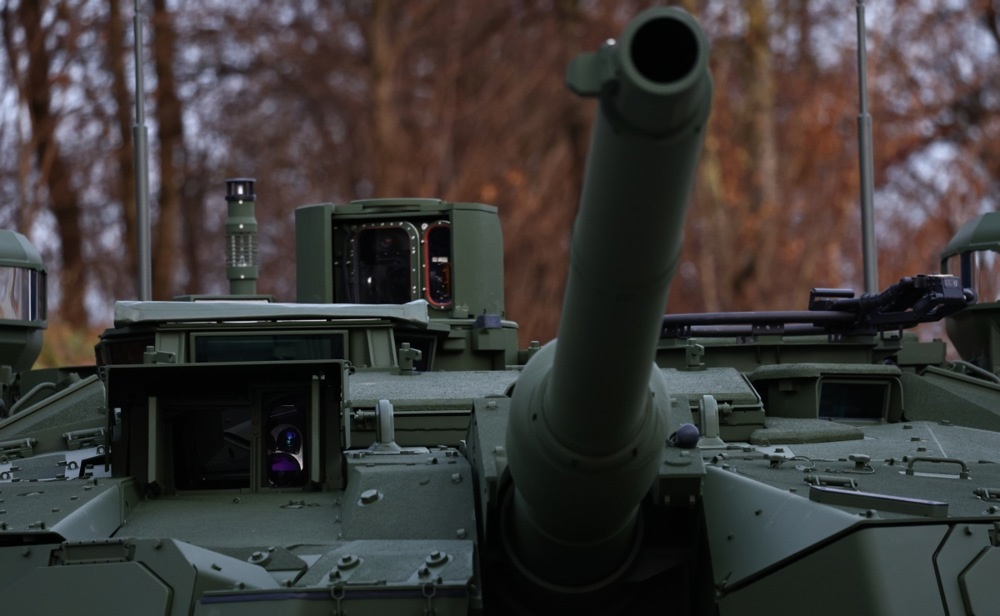
The NATO Support and Procurement Agency (NSPA) has made the first purchase under a framework agreement with Germany’s Rheinmetall — an order of 120‑mm tank ammunition worth about €200 million. The framework agreement, signed in July 2025, defines the technical specifications and delivery conditions for various types of 120‑mm rounds.
“The framework agreement sets standards and streamlines procedures for the rapid and coordinated supply of 120‑mm ammunition for allies.”
— Rheinmetall, press release
Why this matters for Ukraine
120‑mm ammunition is a critical resource for Western‑class tanks. These are the rounds used by the Leopard 2 and M1 Abrams, which have already been delivered to Ukraine by partners. The NSPA framework agreement means member countries and associated states can place orders quickly without lengthy approval processes — reducing the time between request and delivery.
“The initial deliveries under the agreement should ensure a stable supply of modern ammunition for allies.”
— NSPA
In addition, in January 2026 Rheinmetall acquired a site for a plant in Ukraine — potentially reducing logistical risks and creating the opportunity to scale up production closer to the front’s needs. At the same time, the company has already planned deliveries of armored vehicles (Lynx KF41), indicating a comprehensive approach to strengthening Ukraine’s defense industry.
Practical consequences
For Ukrainian units specifically this means: a more stable inflow of 120‑mm rounds, the ability to sustain more intensive tank operations, and reduced dependence on fragmented export decisions by individual countries. In the short term, logistics, funding for transfers, and political decisions by partners on handing over specific batches remain decisive.
Risks and questions
The framework agreement removes some bureaucracy but does not automatically resolve issues such as allocation priorities among allies, export controls, and production rates. It should also be noted that shifting production to Ukraine will take time, investment, and the assurance of quality standards.
Conclusion
The facts: €200 million, the first deliveries under a framework agreement, and a site for a plant in Ukraine. The significance: this is a step from one‑off deliveries toward a more predictable supply line for Western‑type tanks. It is now important that the announcement be turned into concrete deliveries and scaled production — otherwise the agreement’s potential will remain declarative. Who and what resources will guarantee subsequent batches of rounds is a question on which the effectiveness of our tank units in the coming months will depend.



