“National Cashback”: 20 million hryvnias a day — who is actually receiving the payments
Minister Sobolev dismissed the claim about "filled tanks for the rich." We examine how the program works, how much it costs the state, and why it is important for families during the war.

By Tetiana Suchkova-Ladik
March 27, 2026 · 2 min read
What happened
Minister of Economy, Environment and Agriculture Oleksii Sobolev answered accusations in the Verkhovna Rada regarding the "National Cashback" launched on March 20. Member of Parliament Yaroslav Zheleznyak claimed the program allegedly compensates expenses for owners of expensive cars. Sobolev rejected this and provided key figures about the program.
How the program works and how much it costs
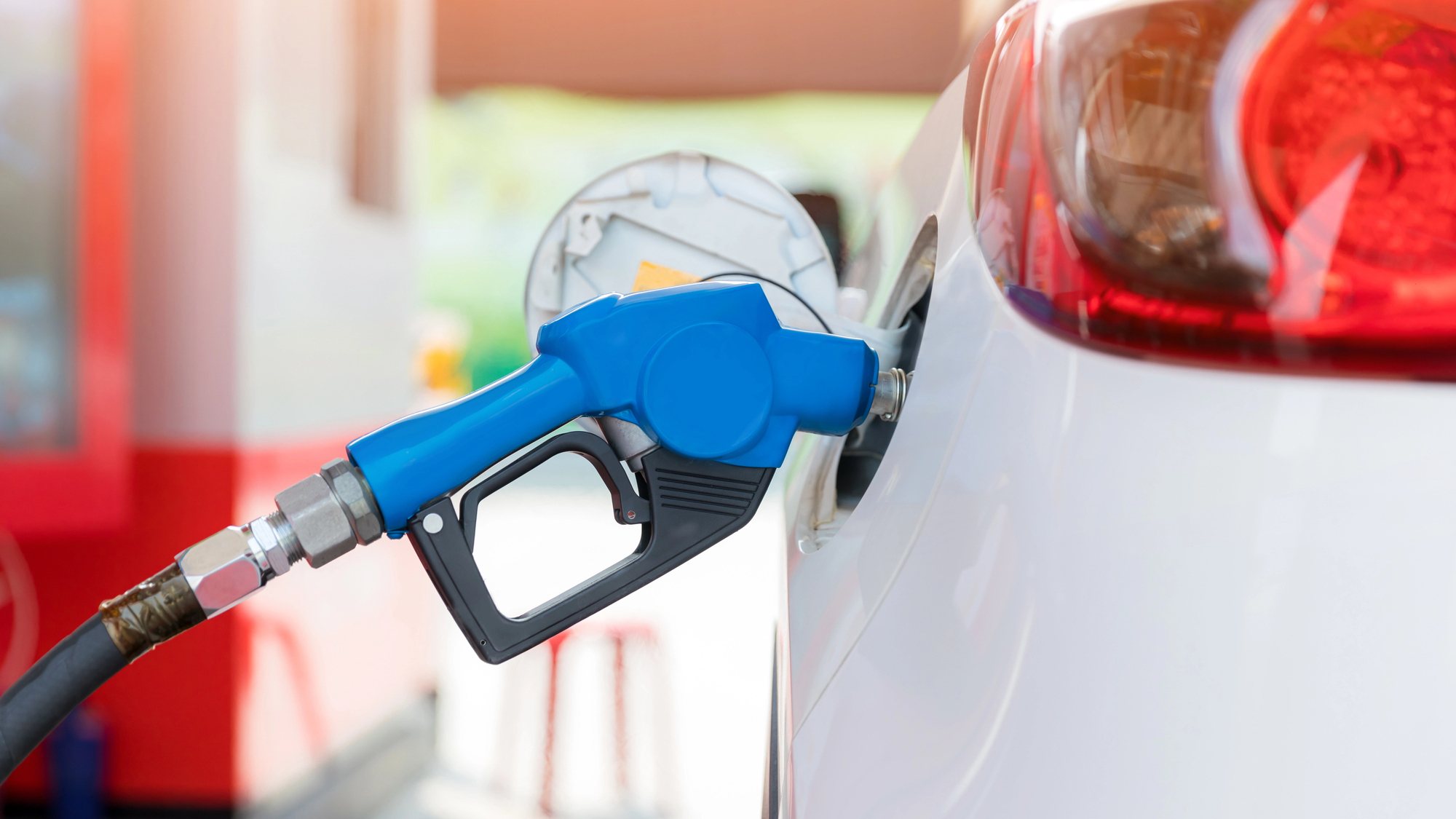
The program has been running for 40 days since its start on March 20. According to government estimates, expenses amount to about 20 million UAH per day. The mechanism is simple: partial compensation for fuel — 15% for diesel, 10% for gasoline, 5% for autogas (LPG), but with a limit of 1,000 UAH per month per user. Government analysts estimate this yields a saving of approximately 2–11 UAH per litre.
Criticism and the minister's response
The main criticism is that the bulk of payments supposedly go to owners of expensive cars. Sobolev denied this, calling the claim false and emphasizing the targeted nature of the payments: in his view, the money primarily goes to those who need it and is often used to cover utility bills.
"The program costs 20 million hryvnias a day. It is used by people who truly need it. These funds are targeted; they are used to pay utility bills. So the idea that the program is being massively used by people who drive large expensive cars is incorrect. That is simply not true."
— Oleksii Sobolev, Minister of Economy, Environment and Agriculture
Why it matters
In wartime any public expenditure has two goals: to ease citizens' lives and to support economic activity. A financial incentive for fuel is not a luxury but a temporary social support tool that reduces the burden on households and partially, in a targeted way, returns funds into circulation. At the same time the main issue remains procedural: how to ensure transparency and prevent abuse so that public money is used as effectively as possible.
What’s next
The debate over the cashback's effectiveness should move from rhetoric to audits and open data. If the government confirms the targeted nature of payments and transparent administration of the program, it could remain an example of a rapid assistance mechanism in crisis conditions. Otherwise — there is a risk of undermining trust, which will require a response from parliament and public monitoring.
LIGA.net wrote in detail about the program's launch and criticism; it is now important to follow the data on actual recipients and spending control.



