Largest Drop in Oil Demand Since COVID: How Closed Strait Rewrites Energy Forecasts
Since the beginning of the American-Iranian conflict, forecasts for increased oil demand have fallen sixfold — from 1.2 million to 200,000 barrels per day. The IEA is already discussing a possible reduction in consumption for the first time since 2020.

By Tetiana Suchkova-Ladik
May 15, 2026 · 3 min read
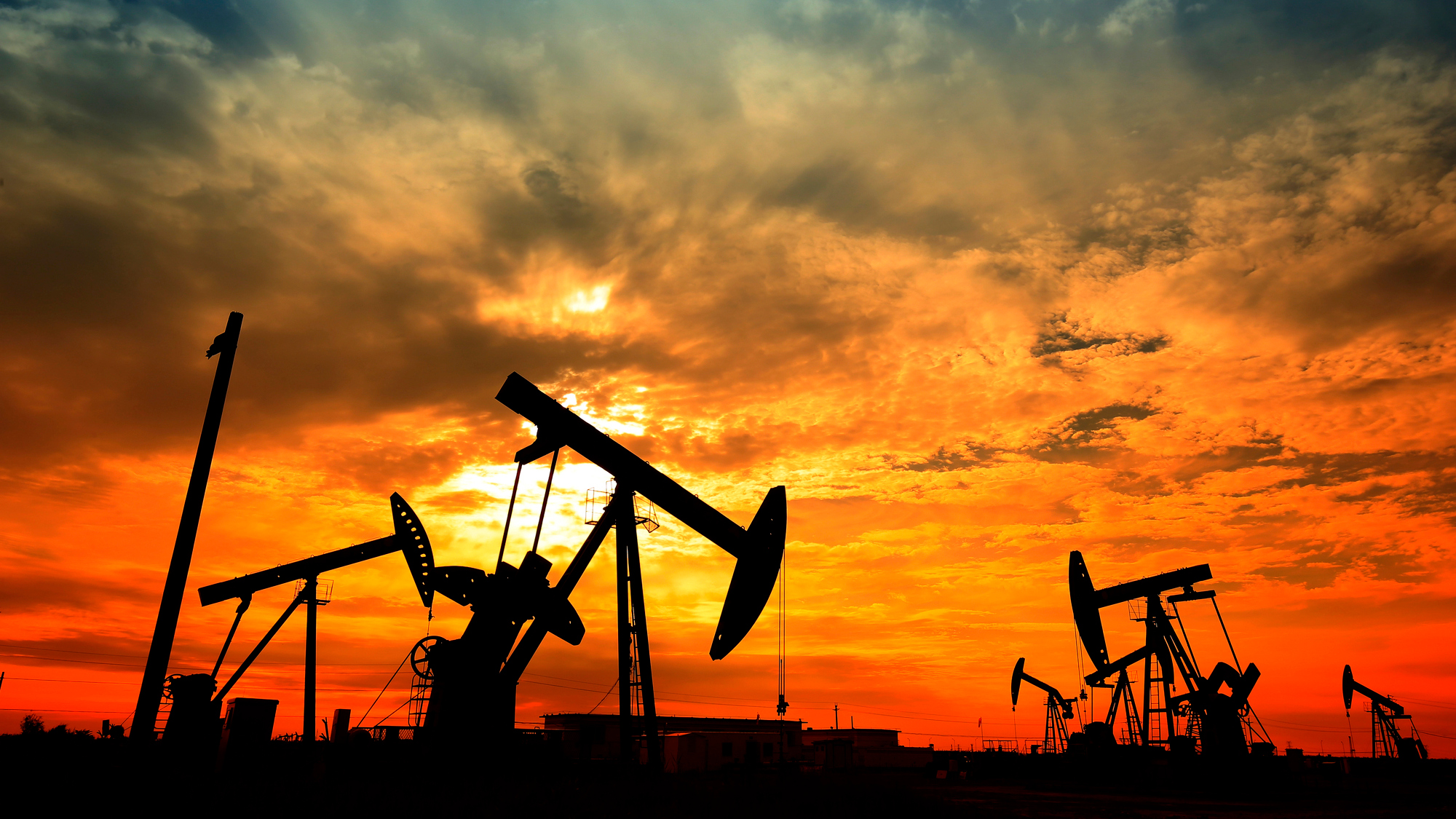
By February 28, 2026, analysts expected an ordinary year for the oil market: moderate demand growth, stable supplies from the Persian Gulf. Then the United States launched military operations against Iran — and the figures changed dramatically.
What happened to the forecasts
The U.S. Energy Information Administration (EIA) revised its forecast three times in a matter of weeks. In February, demand growth of 1.2 million barrels per day was expected. After the conflict began — 0.6 million. In the May forecast — only 200,000 barrels per day. This represents a sixfold reduction in forecasts over two months.
The International Energy Agency went even further: according to the IEA forecast, oil demand will decline by 80,000 barrels per day in 2026 — 730,000 less than expected a month ago, and the drop in the second quarter will be the sharpest since COVID-19.
The heart of the problem — 54 kilometers
Global oil supplies fell by 10.1 million barrels per day to 97 million in March due to attacks on energy infrastructure and restrictions on tanker movement through the Strait of Hormuz — the largest disruption in the history of the oil market.
The closure of the strait disrupted about 20% of global oil supplies and significant volumes of liquefied natural gas. Compare the scale: over 20 million barrels per day flowed through Hormuz — by early April, this figure fell to 3.8 million barrels per day.
"The restoration of flows through the Strait of Hormuz remains the single most important variable for reducing pressure on energy supply, prices, and the global economy."
— International Energy Agency, April 2026
Prices hit records, demand collapses
Brent oil prices reached $138 per barrel on April 7 and averaged $117 in April — the highest level since June 2022 following Russia's invasion of Ukraine. High prices are precisely the mechanism that "kills" demand: governments and companies are reducing consumption in response to record prices.
The IEA notes that the deepest consumption cuts initially occurred in the Middle East and Asia-Pacific regions — primarily petrochemical feedstock, liquefied petroleum gas, and aviation fuel. But the agency warns: demand destruction will spread as shortages and high prices persist.
Alternative routes don't help
Saudi Arabia and the UAE have pipelines bypassing Hormuz, but their combined capacity — from 3.5 to 5.5 million barrels per day — is critically smaller than pre-war transit. Other countries — Iran, Iraq, Kuwait, Qatar, and Bahrain — are completely dependent on the strait for most of their oil exports.
Nearly 3 million barrels of refining capacity in the region has been shut down due to attacks and lack of export capabilities. Even refineries outside the region are reducing production due to concerns about feedstock availability.
What's next
The EIA expects that the strait will remain effectively closed until the end of May, and full restoration of pre-war production and trade volumes will take until the end of 2026 or early 2027.
The IEA is building its baseline scenario on the assumption of supply recovery by mid-year — but explicitly states that this scenario may prove too optimistic. The agency has developed an alternative forecast for the case of prolonged conflict.
If the strait doesn't open by August, and Brent prices remain above $110 — will Asia, which depends on the Persian Gulf more than anyone else, have time to diversify supplies before the coming winter, or will 2026 repeat the 2022 energy shock, but with greater geographic reach?



