NBU: Energy shortage pushes up prices, demand falls amid shelling
The National Bank assesses that power shortages are pushing inflation up, but a decline in consumer demand due to worsening security is partially offsetting that pressure; final conclusions will be drawn in January.

By Tetiana Suchkova-Ladik
December 11, 2025 · 1 min read
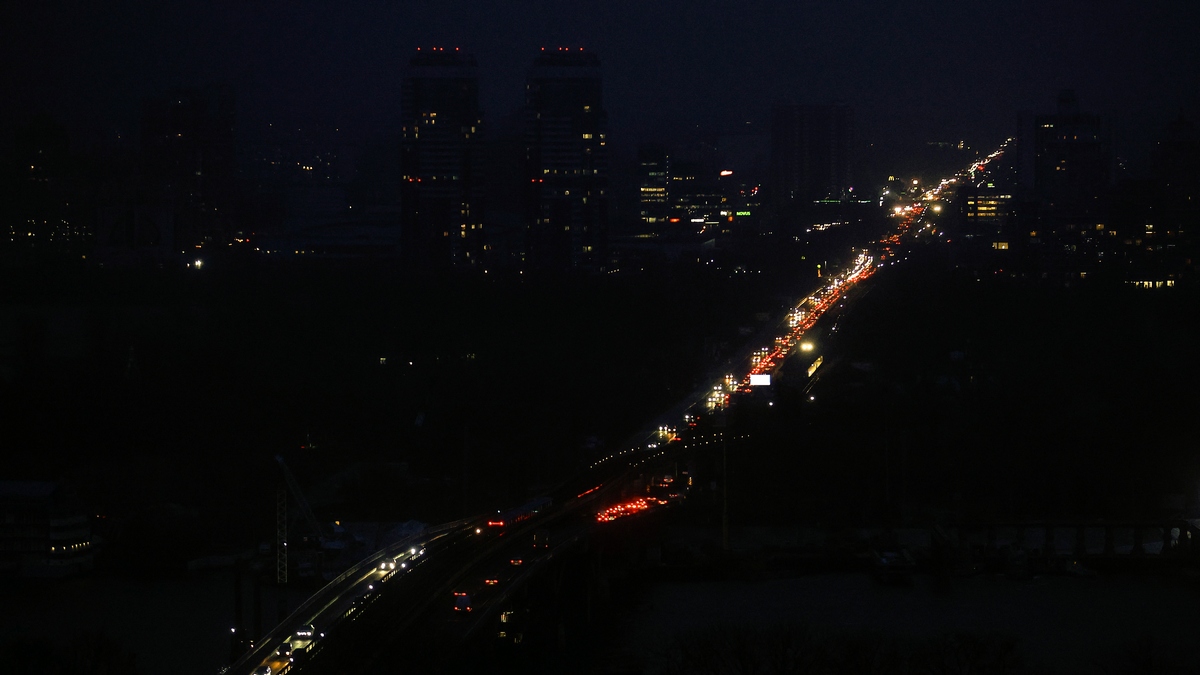
The National Bank of Ukraine (NBU) confirmed that the electricity shortage caused by the Russians is pushing up prices. At the same time, the regulator expects that the weakening of consumer demand due to the deterioration of the security situation will partially mitigate this effect, said NBU Deputy Governor Volodymyr Lepushynskyi.
Impact of the energy deficit on prices
Rising energy prices increase inflation, and shortages reduce production of the corresponding goods
– Volodymyr Lepushynskyi, Deputy Governor of the NBU
A deeper understanding of exactly how the electricity shortage will affect inflation and the economy overall is expected to emerge in January. The NBU explained that after December has passed it will be possible to assess the consequences for GDP more precisely.
We assumed an energy deficit of about 5–6% for the fourth and first quarters and are keeping that assumption for now
– Volodymyr Lepushynskyi, Deputy Governor of the NBU
The regulator added that the situation remains dynamic: it could worsen if the aggressor launches new strikes on infrastructure, or improve if energy workers restore supplies.
Damage to the energy system and outages
- During the latest massive strike, thermal power plants and transmission lines were heavily damaged, forcing nuclear power plants to reduce output and complicating transmission of electricity to the left bank of the Dnipro, including Kyiv.
- In several regions, the duration of power outages increased to about 16 hours per day.



